
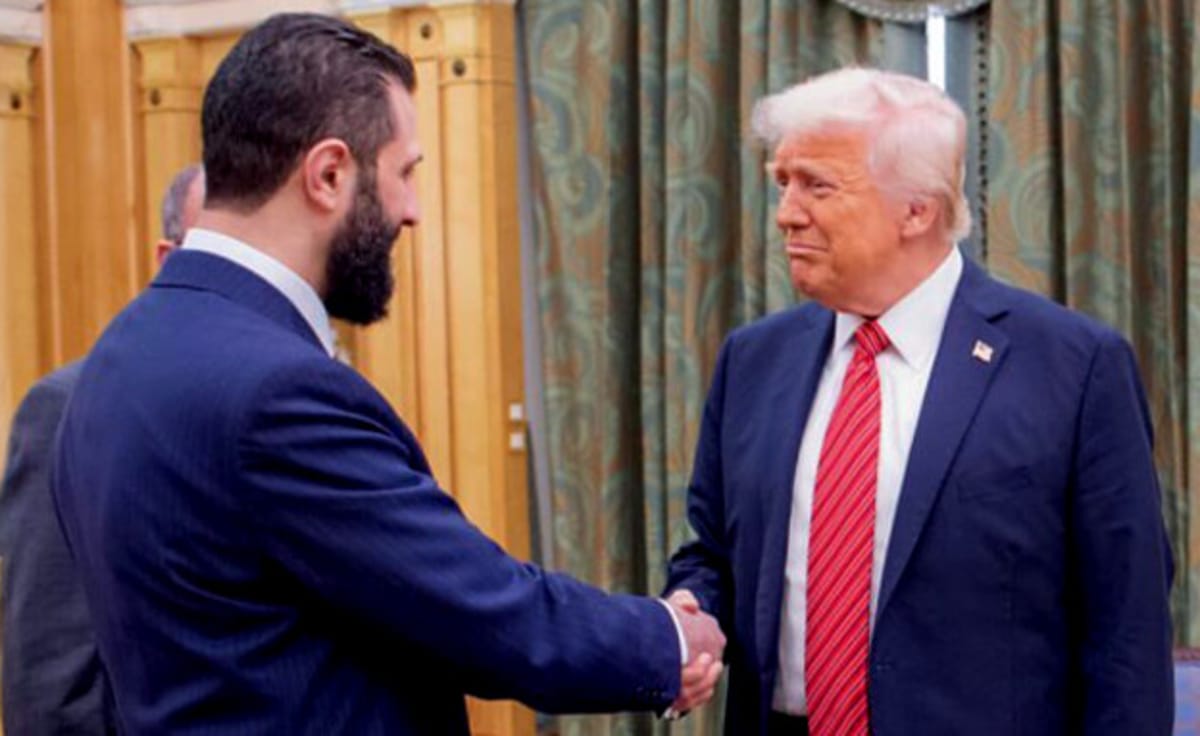
After nearly two months of stagnation, Israel and Syria are set to resume talks on a potential security arrangement, with a new round of negotiations expected to begin Monday in Paris. The discussions follow pressure from Donald Trump, who urged Prime Minister Benjamin Netanyahu to restart the process during their recent meeting in Florida.
The talks, expected to last two days, will be mediated by Tom Barrack, the US ambassador to Turkey and Washington’s special envoy on Syria. On the Syrian side, Foreign Minister Asaad al-Shaibani will represent Damascus.
Israel has reshuffled its negotiating team following the resignation of Strategic Affairs Minister Ron Dermer, who led previous rounds. The Israeli delegation will now be headed by Ambassador to Washington Yechiel Leiter, alongside Military Secretary Maj. Gen. Roman Gofman and acting National Security Adviser Gil Reich. Rather than appointing a single chief negotiator, Netanyahu has divided responsibilities among the three, with security, diplomatic coordination and US ties handled separately.
The renewed talks come against a complex backdrop. Israel has pushed for a security framework that would ensure calm along the frontier and prevent southern Syria from becoming a base for hostile forces. Since the collapse of Bashar al-Assad’s regime in late 2024, Israeli troops have operated inside parts of southern Syria, largely within and beyond a UN-monitored buffer zone, citing fears that weapons could fall into the hands of jihadist groups. Israel has argued that Assad’s ouster rendered the 1974 disengagement agreement temporarily void.
Previous negotiations stalled in the autumn over Israel’s demand to open a humanitarian corridor into the Sweida region, where sectarian violence has killed hundreds of Druze civilians. Syria rejected the proposal, calling it a violation of sovereignty, and later reports suggested Israel raised additional demands, including full diplomatic relations, a step Damascus has said it is not ready to take.
Trump has voiced optimism about reaching an accord, while also warning Israel in December not to destabilize Syria’s new leadership. He has publicly praised President Ahmad al-Sharaa, whose forces ousted Assad, saying stability in Syria is in everyone’s interest.
Despite the resumption of talks, expectations remain cautious. Both Israeli and Syrian officials have signaled that major gaps persist, and with a new negotiating format and unresolved disputes over sovereignty, borders and security, the Paris meetings are seen as exploratory rather than a guarantee of a breakthrough.