A Critical Emergency in Palawan
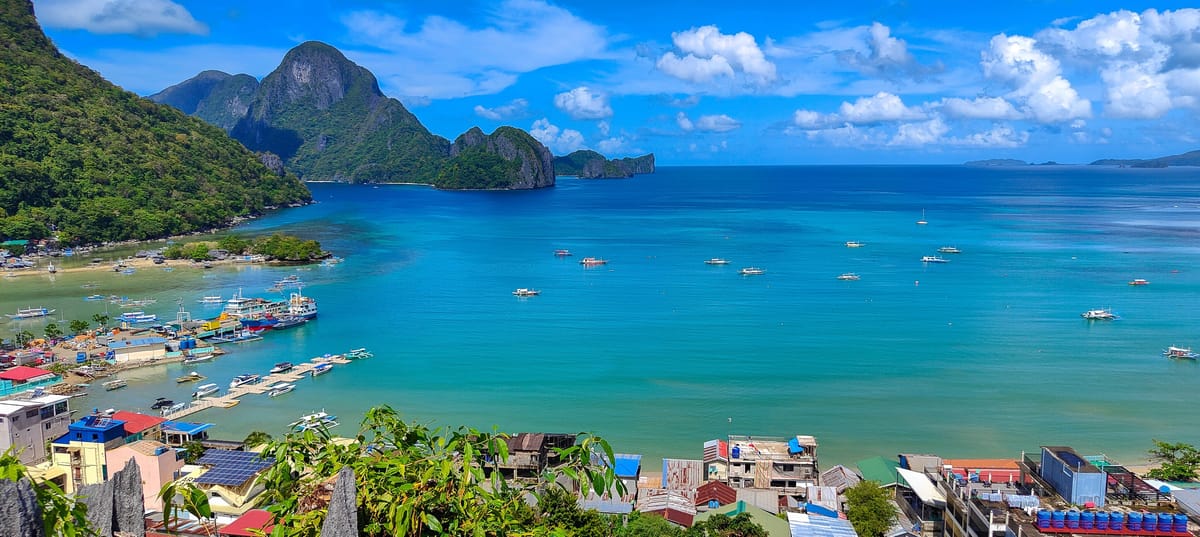
The incident occurred on Sunday while the family was visiting the scenic island of Palawan in the Philippines. The toddler was reportedly stung by what experts suspect is a Box Jellyfish, one of the most venomous creatures in the ocean. The reaction was immediate and severe, forcing the family to rush the child to a local clinic. However, due to the limited medical facilities on the remote island, the boy had to be transferred to a more advanced hospital in Puerto Princesa.
According to relatives and rescue organizations, the boy's condition is currently defined as critical. The "Chaverim Mechaltzim" organization reported that while the child’s vitals have stabilized slightly, he remains in grave danger. "The boy was stung by a jellyfish suspected of being highly venomous and reacted sharply at first, his condition has stabilized a bit but is still in danger," a representative stated.
The Race to Manila
The rescue operation has faced significant hurdles, primarily due to local regulations that prohibit night landings on Palawan Island. This has complicated efforts by Clal Insurance’s medical center, Madassis, and the Magen rescue unit to airlift the toddler to a specialized trauma center in Manila.
High level officials from the Israeli Ministry of Foreign Affairs and even the Mossad have reportedly been engaged to help bypass bureaucratic obstacles and secure the necessary transport. The family is waiting for a window of stability to move the boy to the capital, where he can receive the intensive care required to counter the potent venom.
A Warning to Travelers
This tragedy serves as a harrowing reminder of the dangers lurking in tropical waters, particularly during the local summer season between March and October. Authorities recommend that swimmers always carry vinegar, which can stop the release of more venom if applied to a Box Jellyfish sting.
Safety experts emphasize that if a sting occurs, victims must exit the water immediately and rinse the area with sea water only, as fresh water can actually trigger the release of more toxins.