As the 48-hour ultimatum issued by President Trump looms over the Middle East, analyst Shanaka Anslem Perera says that the strategic focus of the 2026 Iran War has shifted to a singular, rocky outpost: Kharg Island.
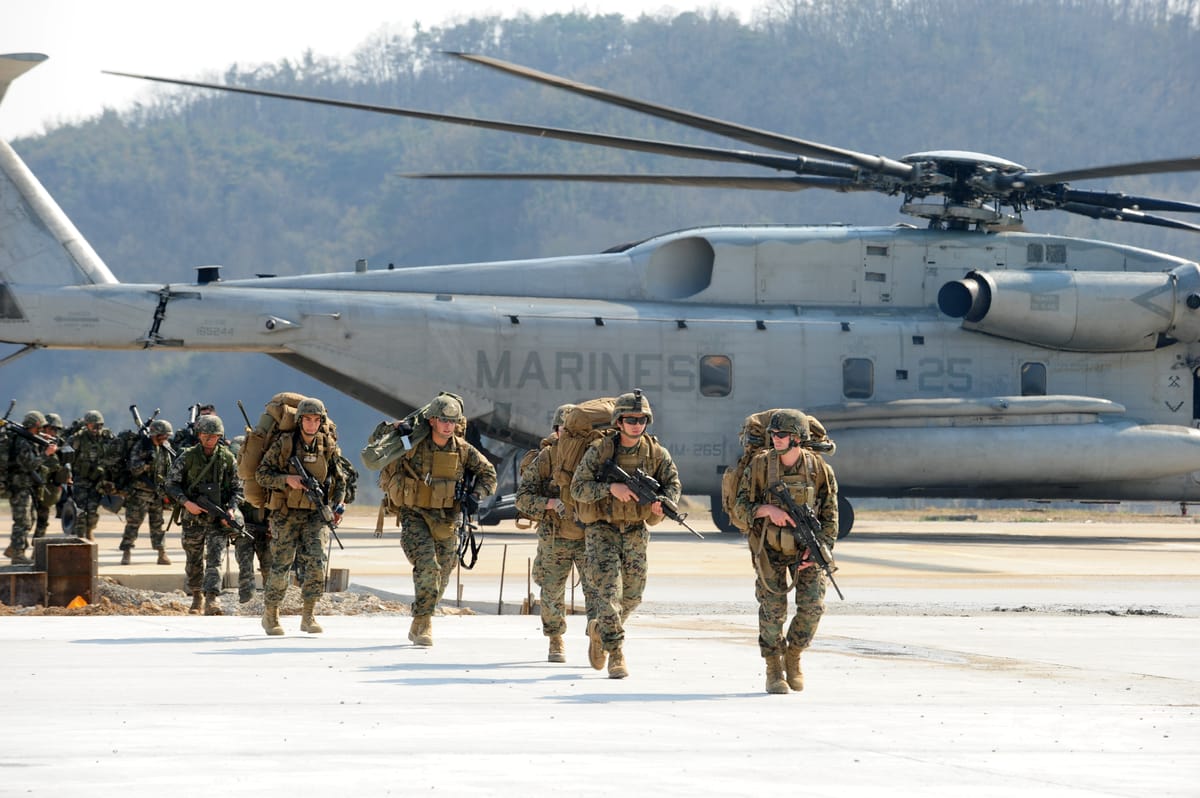
Nearly 5,000 U.S. Marines are currently converging on the region, signaling that the "decider" of this conflict will not be a Tomahawk missile, but combat boots on Iranian soil.
The scale of the deployment is staggering. The USS Tripoli, an America-class amphibious assault ship, transited the Malacca Strait on March 17. It carries 2,200 Marines from the 31st MEU, backed by F-35B stealth fighters and MV-22 Ospreys. Joining them is the USS Boxer, carrying another 2,500 Marines from the 11th MEU, which departed San Diego under accelerated orders on March 18.
Unlike previous carrier strikes, this fleet is not designed to flatten infrastructure. It is designed to seize and hold it.
Why Kharg? The 90% Leverage
Kharg Island is the jugular vein of the Iranian economy, handling 90 percent of the country’s oil exports. While Israeli and U.S. strikes have systematically dismantled Iranian military sites, the oil terminals on Kharg have been "deliberately spared."
The strategic logic is clear: You do not destroy the leverage; you occupy it. By placing Marines on Kharg, the U.S. moves the "bargaining chip" from a diplomatic cable to the physical ground. The message to Tehran is simple: Reopen the Strait of Hormuz, or lose your national revenue permanently.
The greatest obstacle to this mission is the water. The IRGC, before much of its surface fleet was sunk, heavily mined the Strait of Hormuz. These "dumb" mines remain on the seabed, a threat that global insurers could not even model.
To solve this, the U.S. is utilizing Vertical Insertion:
- The America-Class Edge: The USS Tripoli sacrificed its traditional "well deck" (for landing craft) to carry more aircraft.
- Flying Over the Threat: Instead of sailing through mined waters, Ospreys will carry Marines directly onto the island from above.
- Air Cover: F-35Bs will suppress suicide drones and submersible torpedo boats, while littoral combat ships like the USS Tulsa and USS Santa Barbara begin the slow, dangerous work of clearing sea corridors for heavy equipment.
The mission is fraught with extreme peril. Kharg sits just 25 kilometers off the Iranian coast. While Iran has proven it can strike Arad and Dimona from 2,000 km away, the Marines on Kharg will be sitting within the immediate engagement envelope of every remaining Iranian asset—ballistic missiles from the Yazd tunnels, explosive speedboats, and "suicide" submersibles.
Holding Kharg turns the island into a hostage. It forces a crumbling Iranian leadership to choose between their pride and their survival. With 4,700 Marines heading toward a target Iran cannot afford to lose, the "Slowest Phase" of the war has begun. The Ospreys are warming up; the seabed is mined; and the world is watching to see if the Marines can hold the card that ends the war.