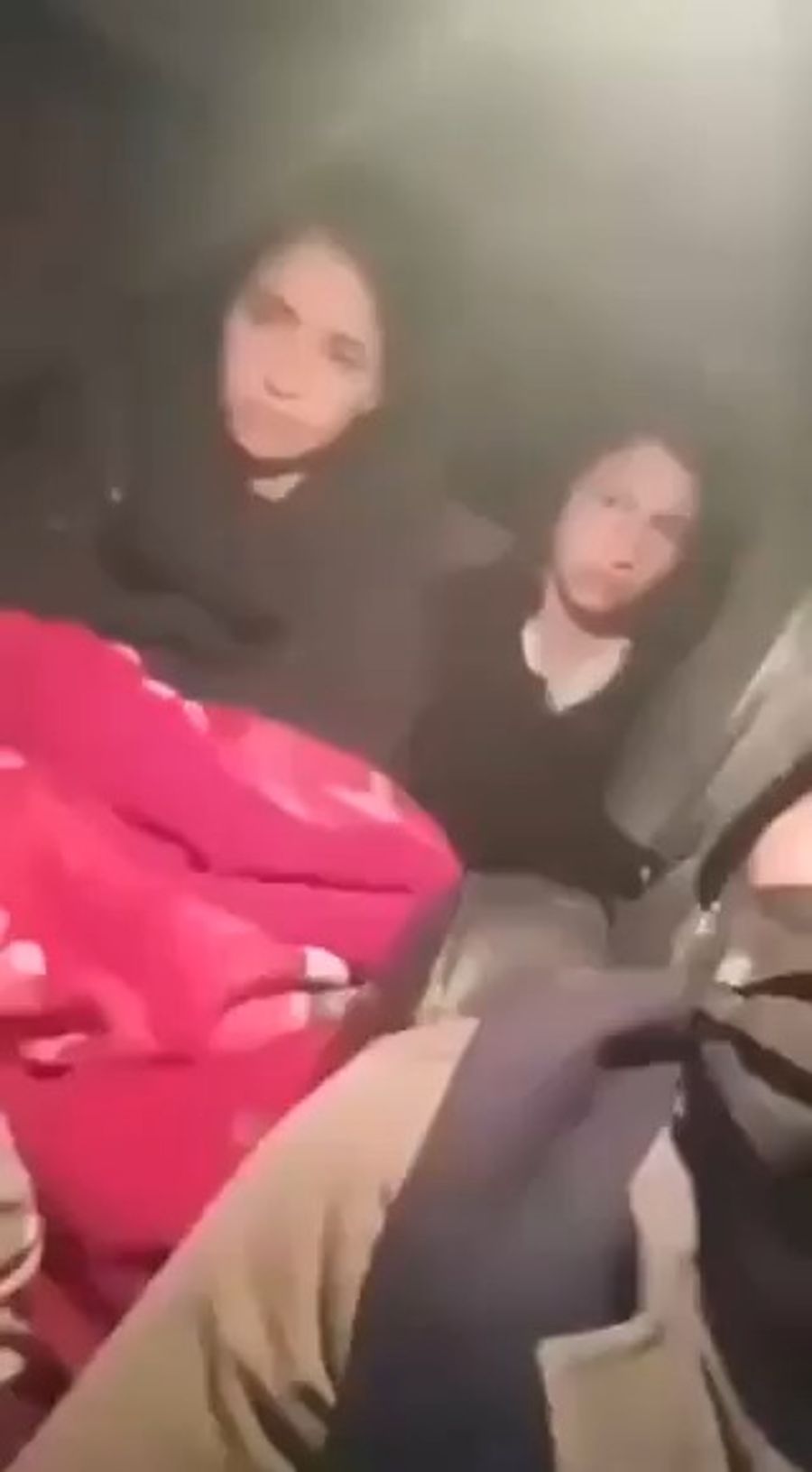
Other posts warn that these captives face grave risks, including rape, forced marriages, or being treated as sex slaves, echoing the horrors inflicted on Yazidi women by ISIS years ago. Some footage even depicts fighters luring foreign jihadists, like Uyghurs and Turkestanis, with promises of enslaved women as rewards for joining the fight.
This is unfolding in hotspots like southern Hasakah province, Aleppo's Kurdish enclaves such as Sheikh Maqsoud, and areas around Raqqa. Just yesterday, Syrian forces captured the strategic town of Tabqa, including its vital dam and airport, before advancing into Raqqa itself, the former ISIS capital that the Kurds liberated in 2017 with US help. Local uprisings and tribal militias helped oust SDF control from much of the city, leading to a ceasefire announcement early today.
Under the deal, the SDF agreed to withdraw from Raqqa and Deir el-Zour provinces to "halt the bloodshed," but not before reports of hundreds of detentions, including women, children, and even underage boys whose fates remain unknown.
Human rights groups aren't surprised, organizations like Human Rights Watch and the UN have documented similar abuses by Turkish-backed Syrian National Army (SNA) factions, now fighting alongside HTS. A CNN probe last year exposed kidnappings, torture, and sexual violence against Kurdish women in northern Syria, often by commanders integrated into the new regime's ranks.
Historical accounts also recall up to 60 Alawite women abducted as sex slaves in 2025 massacres, with overlaps in Kurdish cases. Meanwhile, pro-government voices counter by accusing the Kurds of forcibly recruiting minors themselves, citing 2023 reports – though that doesn't excuse the current claims.
Online, the backlash is fierce. Pro-Kurdish and pro-Israel accounts are slamming it as "jihadist atrocities," urging the West to step in and questioning the silence from feminists and global leaders. They're tagging US officials, highlighting how the Kurds – once America's key partners against ISIS – feel abandoned as US forces pull back.
Defenders of the offensive, however, frame the detentions as legitimate arrests of SDF fighters or retaliatory actions. Al-Sharaa's administration has pledged to uphold rule of law and protect minorities, including Kurds, but skeptics call it empty talk given HTS's al-Qaeda origins and Turkey's support, Ankara views the SDF's YPG component as terrorists linked to the PKK. W