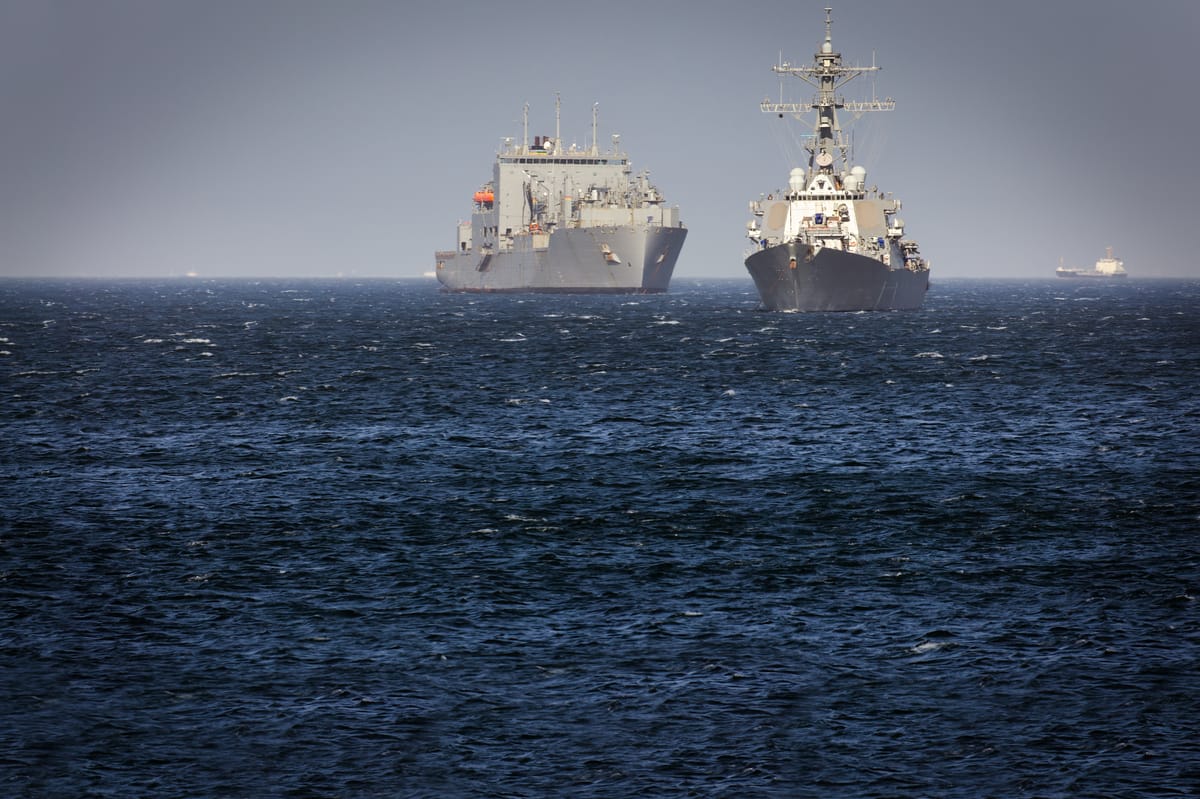
The military junta in Myanmar has adopted a sophisticated "shadow fleet" strategy, utilizing the same evasive maritime tactics as Iran and Russia to bypass international sanctions and fuel its ongoing war. According to a detailed investigation by Amnesty International released on Monday, the military government has turned to "ghost ships" that disable their location-tracking radios and perform secretive ship-to-ship transfers in open water to import record amounts of aviation fuel. These shipments are directly tied to an increase in aerial attacks against civilian populations, making 2025 the deadliest year for airstrikes since the military seized power in 2021. Despite efforts by the United States and Britain to cut off the supply, the junta’s ability to disguise the origin of its fuel through name changes, flag hopping, and deceptive sailing routes has allowed it to import over 109,000 tonnes of fuel in the last year alone, a staggering 69% increase over previous records.
The Rise of the Ghost Ships
The investigation utilized satellite imagery, trade data, and port records to track at least nine separate shipments delivered by four specific vessels between mid-2024 and late 2025. These ships frequently turned off their Automatic Identification System (AIS) radios, a tactic known as "going dark," to avoid detection by international monitors. By broadcasting false positions or repeatedly changing their names and ownership, these tankers successfully hid their movements while moving cargo that human rights researchers say "mirror methods commonly used by tankers that move sanctioned fuel from Iran."
"Five years after the coup, our analysis shows that the Myanmar junta continues to evade sanctions and find new ways to import the jet fuel it uses to bomb its own civilians, with 2025 being the deadliest year on record for aerial attacks since the junta takeover in 2021," stated Montse Ferrer, a regional research director for Amnesty. The strategy has proven highly effective at blunting the impact of international pressure. While earlier supply chains involved multinational companies in Singapore and Thailand, the junta has adapted by buying and reselling fuel multiple times through storage units in countries like Vietnam to obscure the paper trail.
A Deadly Toll and Ineffective Sanctions
The consequences of this fueled war machine have been catastrophic for the people of Myanmar. Since the military ousted the elected government, more than 7,700 civilians have been killed by state security forces. While the exact number of deaths from airstrikes is difficult to verify, the scale of the destruction has grown as the junta relies more heavily on its air force to combat nationwide resistance. This air power is supported not only by the shadow fuel fleet but also by hardware and arms provided by major allies such as Russia and China.
Cutting off the aviation fuel supply is seen as the only way to curb the military's capacity to wage war, especially as civilian targets have no effective defense against modern jets. However, the current international sanctions remain fragmented and easily avoided by the shadow fleet's shell companies and deceptive maritime practices. The ongoing war demonstrates that as long as the junta can successfully mimic the sanction-busting maneuvers of the Iranian regime, the flow of fuel and the resulting aerial bombardments are unlikely to stop without a total global ban on shipping aviation fuel to the country and the complete withdrawal of all companies from the supply chain.