The ongoing security crisis in the Strait of Hormuz has triggered a massive spike in global plastic prices, following severe disruptions to the supply of naphtha, a critical petroleum-based raw material for the petrochemical industry.
plastic surgery
Plastic Prices Rocket as Strait of Hormuz Crisis Deepens
Middle Eastern oil disruptions have driven raw material costs to record highs. While a brief diplomatic deal has partially reopened the shipping route, consumer relief is not expected before late 2026

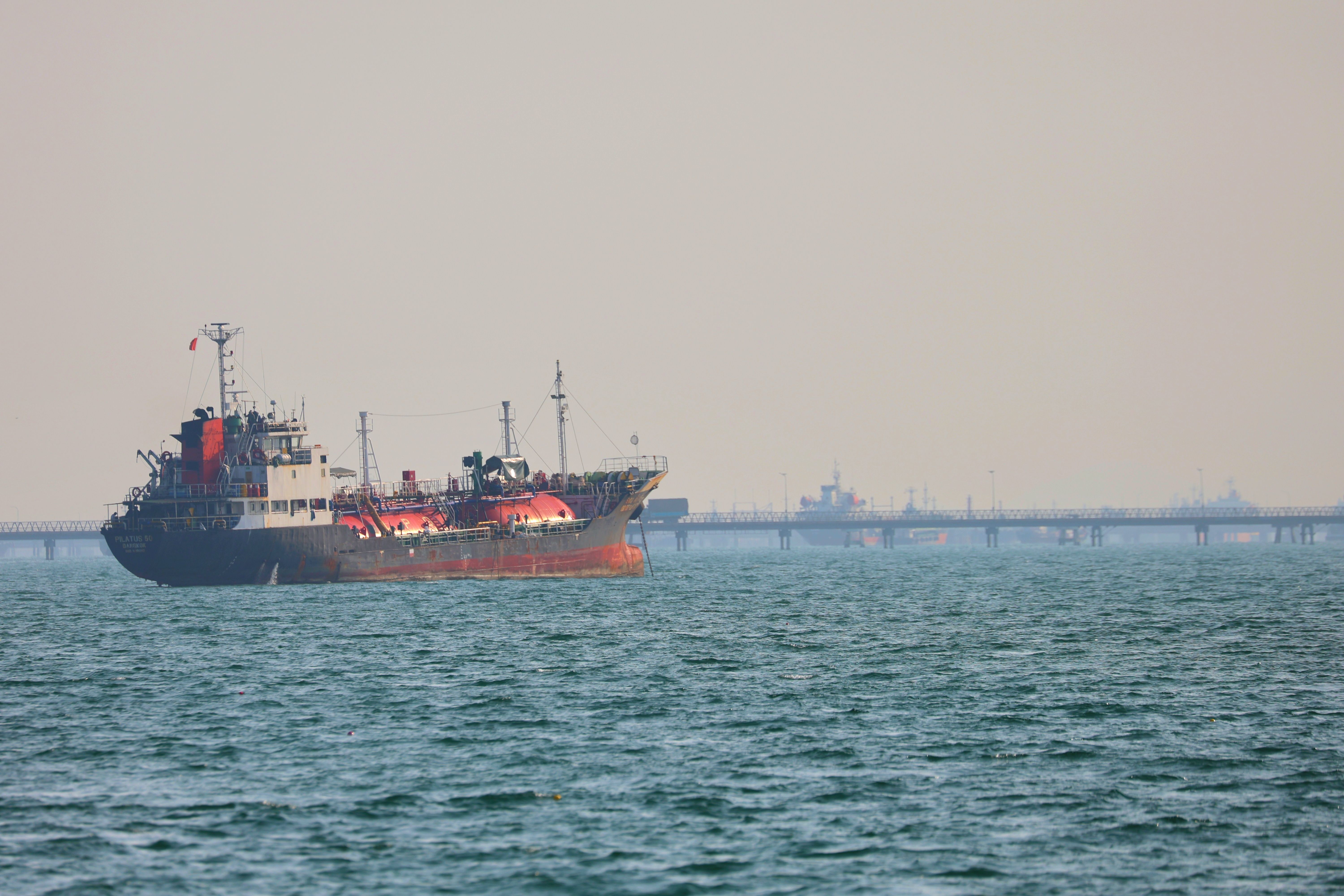
With the Middle East supplying over half of Asia's imported naphtha, the conflict between the United States, Israel, and Iran caused naphtha prices to skyrocket by 74% in the initial weeks of fighting.
This immediate shortage forced major petrochemical hubs in Japan, South Korea, and Taiwan to drastically slash production, with some operations declaring force majeure.

From Petrochemical Plants to Local Markets
The supply shock has trickled down rapidly to everyday commerce, with polymer prices surging by more than 40% globally.
Across Southeast Asia, retailers and small business owners report that the cost of basic plastic goods and packaging has shot up by 50% to 60%, while resin prices in Thailand experienced jumps of up to 90%. In local Asian markets, merchants report paying nearly 60% more for plastic bags since the outbreak of hostilities in late February, severely squeezing profit margins for small vendors.
A slight stabilization began in late June following a memorandum of understanding between the US and Iran, which temporarily reopened the Strait of Hormuz for a 60-day window. While maritime traffic has gradually resumed, shipping volumes remain at just 50% of pre-war levels due to lingering security anxieties, including a recent Iranian drone attack on a cargo ship.
Industry experts warn that because manufacturers are still processing high-cost inventories, consumers will not see immediate relief, and plastic prices are projected to remain elevated until at least the third quarter of 2026.