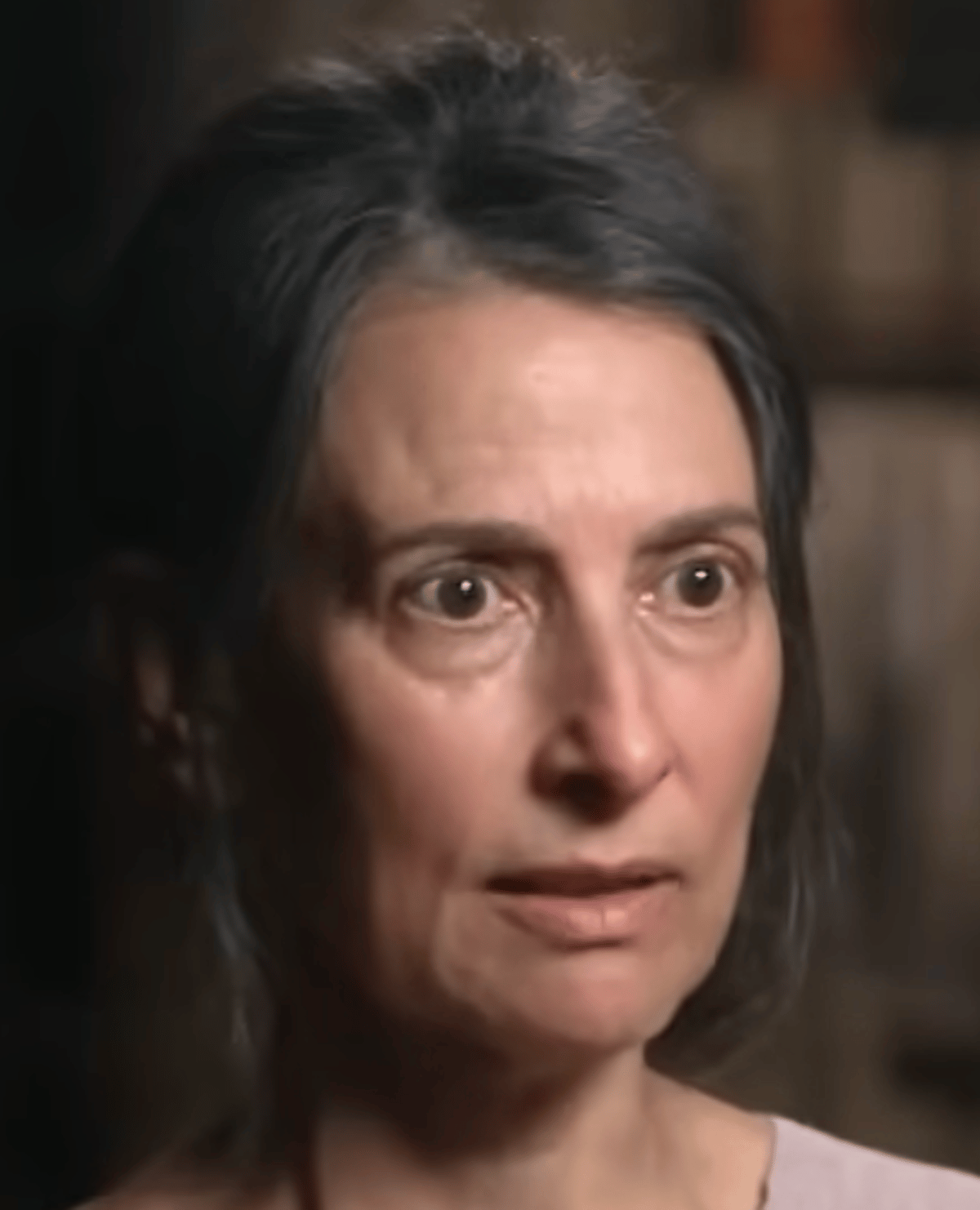
In the 60 Minutes interview, Rachel’s voice cracked as she described the moment everything changed forever:“To know that your child is being tortured, tormented, starved, abused… That’s an excruciating form of suffering. When they came to tell us that Hersh had been executed, then I realized that those 330 days had been the good part, because he was still alive. And now I’m in this place, and this is the rest of my life. How do I walk through this place without a piece of me here?”
Her pain was visceral. At times during the long ordeal, she said the emotional, psychological, and physical torment would seize her so violently that she would literally keel over.
Yet even in her deepest sorrow, Rachel reflected with striking clarity on the collective fight to bring the hostages home. She and the other families poured every ounce of their strength into the battle - and still, she feels the weight of failure: “Sometimes 100% is not enough,” she said quietly. “What we were fighting for did happen. We got all of these people home… but not the way we wanted. We wanted them home alive.”Looking at the growing ball of tape she saved, each strip a day of desperate hope, she now sees “symbols of failure.”
The room where Hersh once lived stands as a silent monument to a life cut short.
And yet, from the depths of this unimaginable loss, Rachel has found a fragile, profound way to carry her love forward. She has come to view the constant, crushing pain of grief not as something to overcome, but as something sacred:“The constant pain… is actually just this precious badge of love that you wear because someone has died and your love is continuing to grow.”
Anderson Cooper, visibly moved, recounted how he himself had seen the video of Hersh’s abduction early on shown to him by an Israeli soldier on a captured terrorist’s phone and later had to break the news to the family during a previous interview.
Rachel Goldberg-Polin’s words have broken hearts across the world once again. In her eloquence and raw vulnerability, she has given voice to a sorrow that defies language, while reminding us all of the unbreakable bond between a mother and her child.Even in her brokenness, she says she is learning to “limp toward the light.”
Hersh Goldberg-Polin was 23 years old when his life was stolen. His mother’s love for him remains fierce, endless, and painfully alive.
A story that no one can watch without feeling their heart shatter - and without being reminded of the true cost of hatred and terror.