Washington has experienced a troubling shift in policy. It appears the U.S. administration has decided that a 20-year freeze on Iran’s uranium enrichment was "too demanding" for the Ayatollahs, opting instead to lower the threshold to 15 years. Furthermore, the requirement to export enriched uranium has reportedly been swapped for a plan to convert it into fuel, a move that keeps the material on Iranian soil and within reach of a breakout. In exchange? The total removal of economic sanctions and a guarantee of the regime’s survival.
To call this a "generous" offer is an understatement. It is a strategic capitulation. If these reports are accurate, the U.S. is handing the Islamic Republic a golden ticket to regional hegemony and eventual nuclear status.
The Four Pillars of Iranian Rebirth
By accepting these terms, the U.S. allows the Iranian regime to achieve four critical objectives:
- Nuclear Long-Game: It permits Tehran to wait out the clock. By the time the 15-year limit expires, the regime gambles that American demographics and political shifts will have produced an even more isolationist or "progressive" administration that will look the other way as they cross the finish line.
- Economic Fortification: Lifting sanctions will provide an immediate infusion of billions, allowing the regime to build a resilient economic infrastructure capable of withstanding future pressure.
- Military Modernization: With renewed cash flow, the IRGC will move quickly to reconstruct its aging military, likely through massive procurement contracts with Russia and China and maybe even Europe.
- Regime Preservation: Most tragically, this deal solidifies the grip of the current "Revolutionary" leadership, providing them the resources to crush internal dissent and ensure the Nazi-style clerical rule continues indefinitely.
The Trump Paradox: Speed vs. Security
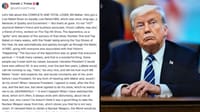
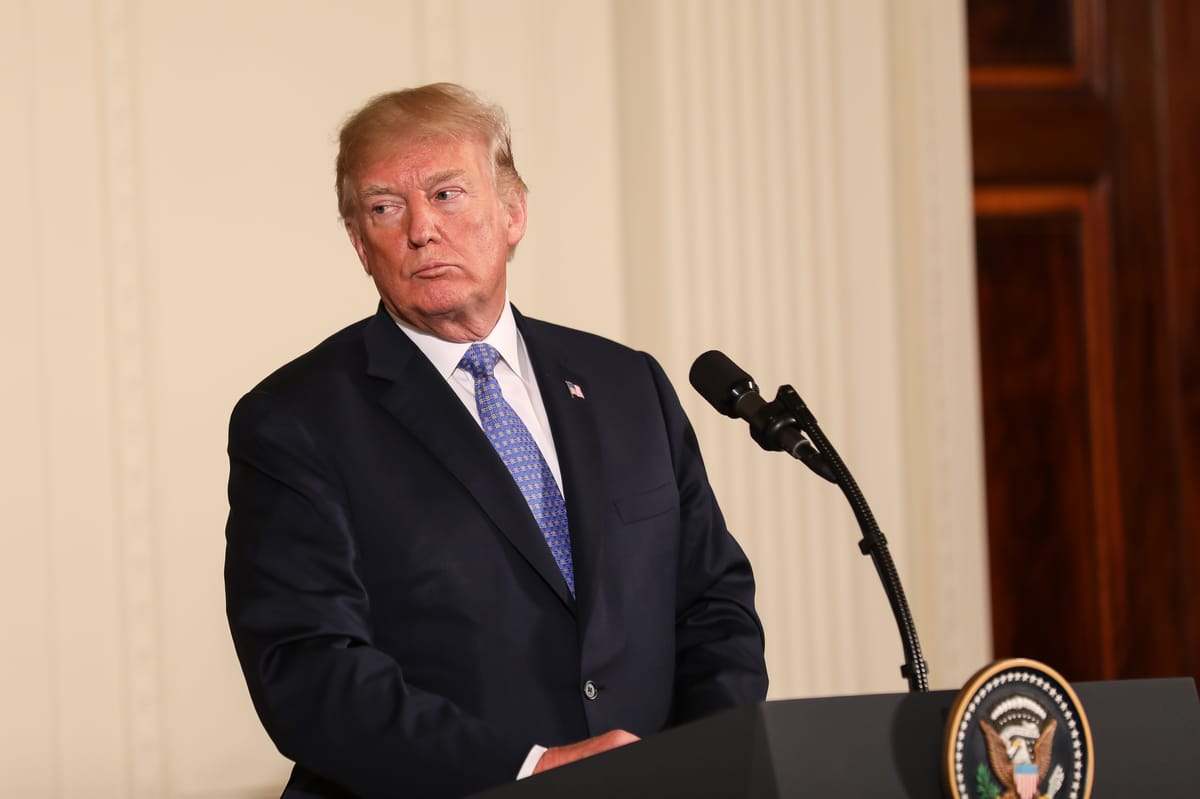
President Trump originally entered this fray with a clear mandate: to prevent future generations from living under the shadow of a nuclear Iran. However, recent developments suggest a conflict between that long-term vision and short-term political realities. We have learned two things about Trump’s current calculus. First, he remains wary of massive loss of life, evidenced by his restraint regarding strategic targets like Kharg Island (Iran’s primary oil export hub). Second, his apparent rush to "close the deal" suggests that the looming Midterm Elections are weighing heavily on the White House. The desire for a "win" before the polls is understandable, but a bad deal is worse than no deal. The current proposal doesn't end the threat; it merely subsidizes it.
The Solution: The "Interim Squeeze"
What President Trump needs now is not a final, flawed treaty, but a robust Interim Strategy. Instead of a total surrender of leverage, the U.S. must implement a "Middle Strategy" that achieves the following:
- Limited Relief for Limited Results: Sanctions should only be suspended, not removed, in small, reversible increments.
- The "Eastern" Blockade: Any interim agreement must include a total ban on the importation of advanced weaponry from Russia and China. Iran cannot be allowed to use American-sanctioned relief to buy Sukhoi jets and S-400 systems.
- No Reconstruction: The deal must prevent the total rehabilitation of the Iranian economy until verifiable, permanent changes are made to their regional aggression and ballistic missile program.
Maintaining the Path to Regime Change
An interim agreement serves one primary purpose: time. It allows the President to navigate the Midterm Elections without a full-scale regional war, while keeping the Iranian regime "on the ropes."
Once the domestic political dust settles, the U.S. must return to the primary objective: the collapse of the radical theocracy. Total victory requires a weakened Iran, not a subsidized one. If Trump wants to save future generations from this threat, he cannot afford to give the Ayatollahs the oxygen they need to survive the decade.