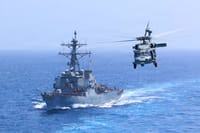
The fragile diplomatic efforts to resolve the Iranian nuclear war have encountered a severe setback, with reports confirming that Tehran has refused to participate in the second round of scheduled talks in Islamabad, Pakistan. State media in Iran announced the decision on Sunday, characterizing the American requirements as "excessive" and pointing to the ongoing naval blockade in the Strait of Hormuz as a primary obstacle. According to the Iranian perspective, the United States is engaging in a media campaign designed to exert undue pressure on the regime rather than pursuing genuine diplomatic progress.
This refusal follows a grueling 21 hour session of negotiations that ultimately failed to produce a breakthrough. Vice President J.D. Vance, who led the American delegation, confirmed the outcome, stating that while the discussions were substantive, the two sides remained too far apart to reach an agreement. Vance stated that the United States had clearly defined its non negotiable red lines, which the Iranian leadership chose to reject. The Vice President emphasized that the failure to reach a deal would have much graver consequences for Iran than for the United States, signaling that Washington remains prepared for alternative measures if diplomacy fails.
The situation is further complicated by conflicting reports from both sides. While American officials maintain that a conceptual framework for a deal exists, Tehran remains deeply suspicious, fearing that the optimism emanating from the White House is a deceptive front for an imminent surprise attack. In the background, regional mediators from Turkey, Egypt, and Pakistan are desperately pushing for a 45 to 60 day extension of the current ceasefire to provide a window for renewed communication. Meanwhile, the United States military continues to finalize operational plans for potential strikes against key Iranian infrastructure, including power stations and bridges, should the diplomatic channel remain closed. As both nations dig into their positions, the regional atmosphere remains volatile, marked by a dangerous mix of negotiation posturing and overt military threats.