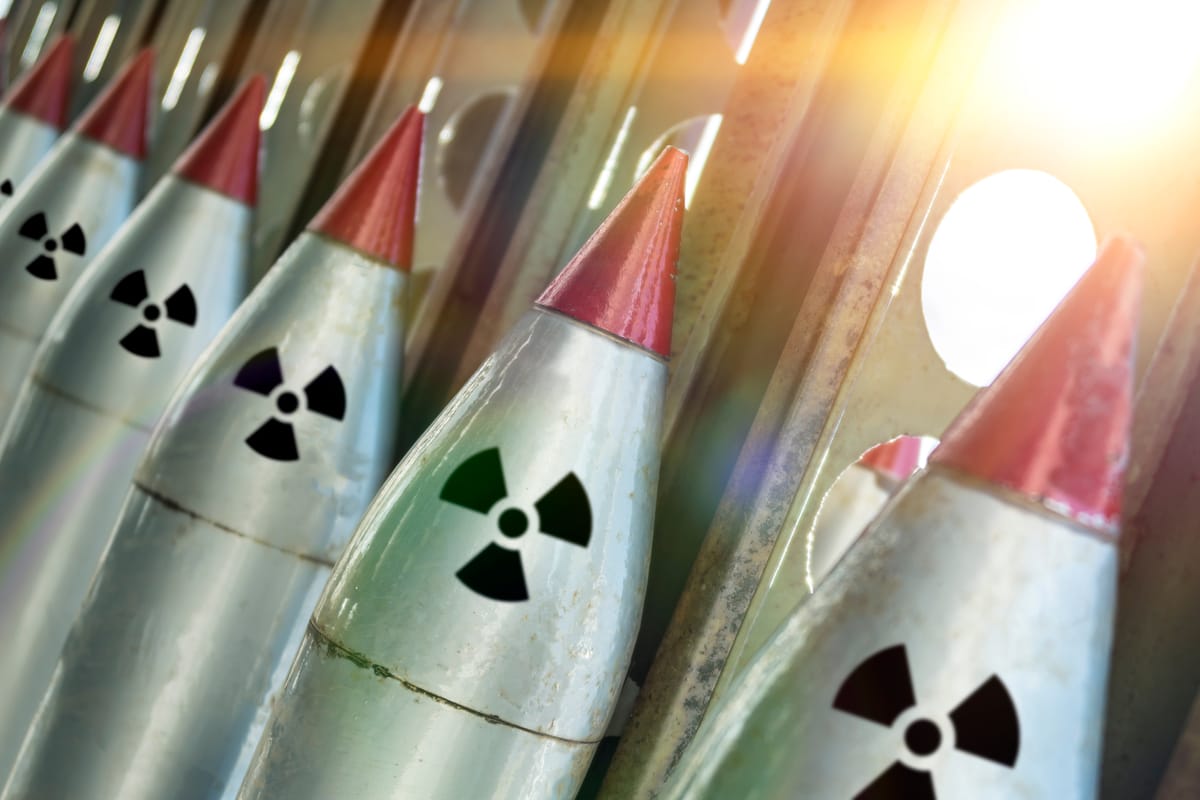
As the clock ticks toward the end of the current ceasefire, details have emerged regarding the complex set of conditions being debated in the ongoing negotiations between the United States and Iran. The proposed framework, which aims to provide a definitive end to the current hostilities, centers on a significant 15 year moratorium on uranium enrichment within Iranian borders. To ensure compliance, the plan requires the conversion of existing enriched stockpiles into fuel and the implementation of a full, intrusive inspection regime across all Iranian nuclear facilities.
Beyond the nuclear file, the negotiations encompass broader regional security concerns. The United States has demanded the guaranteed opening of the Strait of Hormuz, a vital artery for global commerce, alongside the total cessation of hostilities. In return for these concessions, the Iranian regime is seeking the full withdrawal of American military forces from the region and the comprehensive removal of long standing economic sanctions. These sanctions have been a critical tool in weakening the regime, which is currently struggling under the weight of a severe economic crisis.
However, the prospect of this deal has triggered significant alarm within the Israeli security establishment. The primary fear in Jerusalem is that such an agreement would merely provide a temporary delay to the nuclear threat while ensuring the long term survival of the regime. The strategic concern is that by lifting the sanctions, the United States would provide the regime with a massive financial infusion that would allow it to rebuild its influence and military capabilities. Many in Israel argue that the current economic pressure was nearing the point of bringing the regime to the brink of collapse, and that a deal now would be a tactical error. As diplomats continue to haggle over these points, the fundamental question remains whether the international community can effectively dismantle the Iranian nuclear threat without providing a lifeline to the regime that poses it.