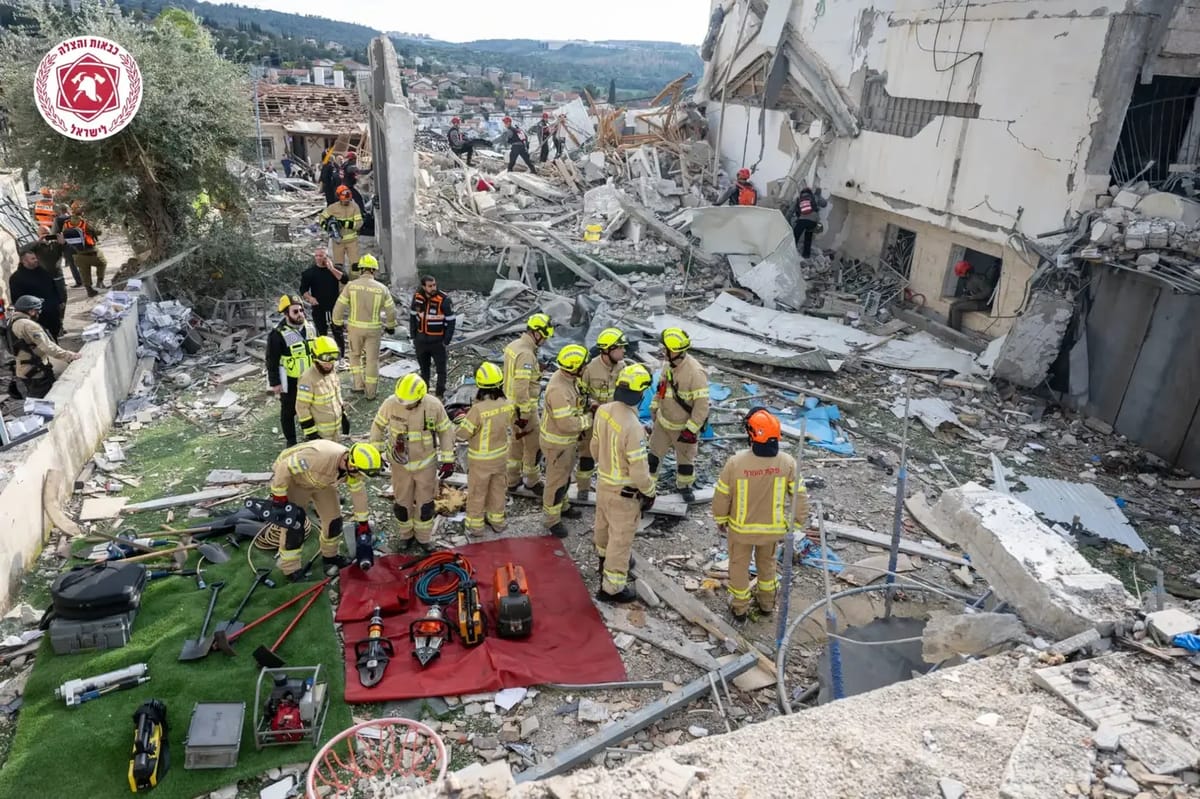
After 11 days of fighting, the Israel Tax Authority has received 9,115 compensation claims for missile damage, including 6,586 claims for damage to buildings, 1,044 for damage to contents and equipment, and 1,485 for damage to vehicles.
The figures highlight a major difference between the current round of fighting and the war with Iran last June. The number of claims filed so far is roughly equal to the number submitted by the second day of the June conflict, known as Operation Rising Lion or the 12 Day War.
During that earlier war, nearly 10,000 claims had already been filed with the Tax Authority’s compensation fund by the second day of fighting. By the fourth day, the number had nearly doubled to about 18,800 claims. By the end of the 12-day conflict, a total of 53,409 claims had been filed for direct damage, with compensation payments reaching roughly NIS 2.9 billion.
Data from the current fighting show that Iran has launched fewer missiles overall but has concentrated its attacks more heavily on central Israel. According to the Institute for National Security Studies, Iran launched roughly 1,600 missiles and drones during the June war, while fewer than 600 have been fired so far in the current round.
Despite the smaller number of projectiles, the number of air raid alerts has increased significantly. During last June’s fighting, about 20,000 alerts were triggered for incoming missiles and drone infiltrations. In the current conflict, the number has already reached approximately 42,000 alerts.
Another major difference is the scale of damage caused by the strikes. Direct property damage in last year’s war reached roughly NIS 3 billion, while damage during the current campaign is currently estimated at several hundred million shekels after 11 days.
Experts attribute the difference partly to the types of missiles being used. During last year’s conflict, several missiles carried large warheads weighing hundreds of kilograms, which in some cases destroyed entire buildings and required demolition and reconstruction.
In the current round of fighting, Iranian missiles have reportedly used cluster warheads that disperse multiple smaller explosives over a wide area. According to engineers, this reduces the likelihood that a single strike will collapse an entire building, though it increases the potential for injuries and scattered damage.
Most damage claims so far have been filed in Tel Aviv, where 4,609 reports were submitted. The Tax Authority’s Ashkelon district office, which covers areas including Beit Shemesh and Beersheva, has received 3,664 claims. Additional claims include 181 in the Jerusalem district, 494 in Akko and 167 in Tiberias.