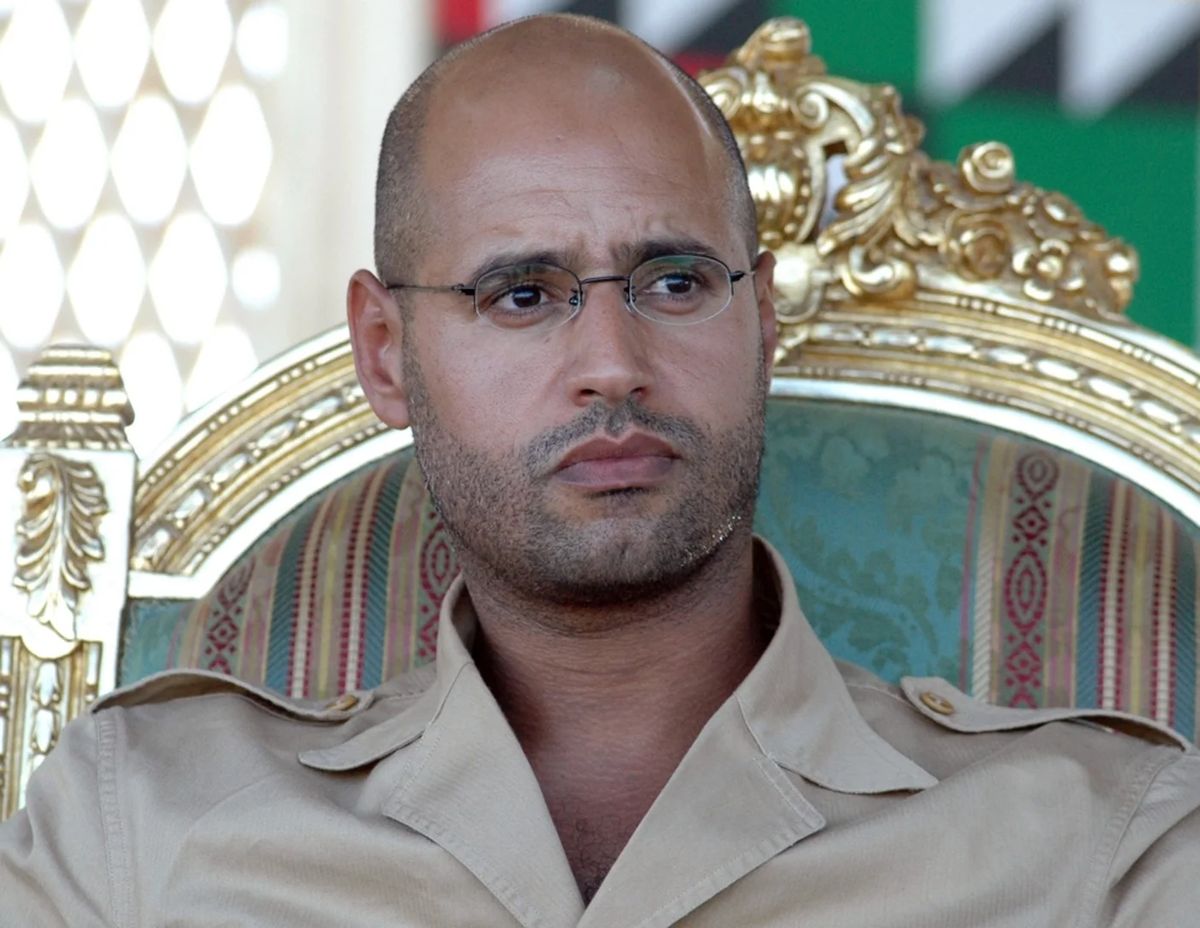
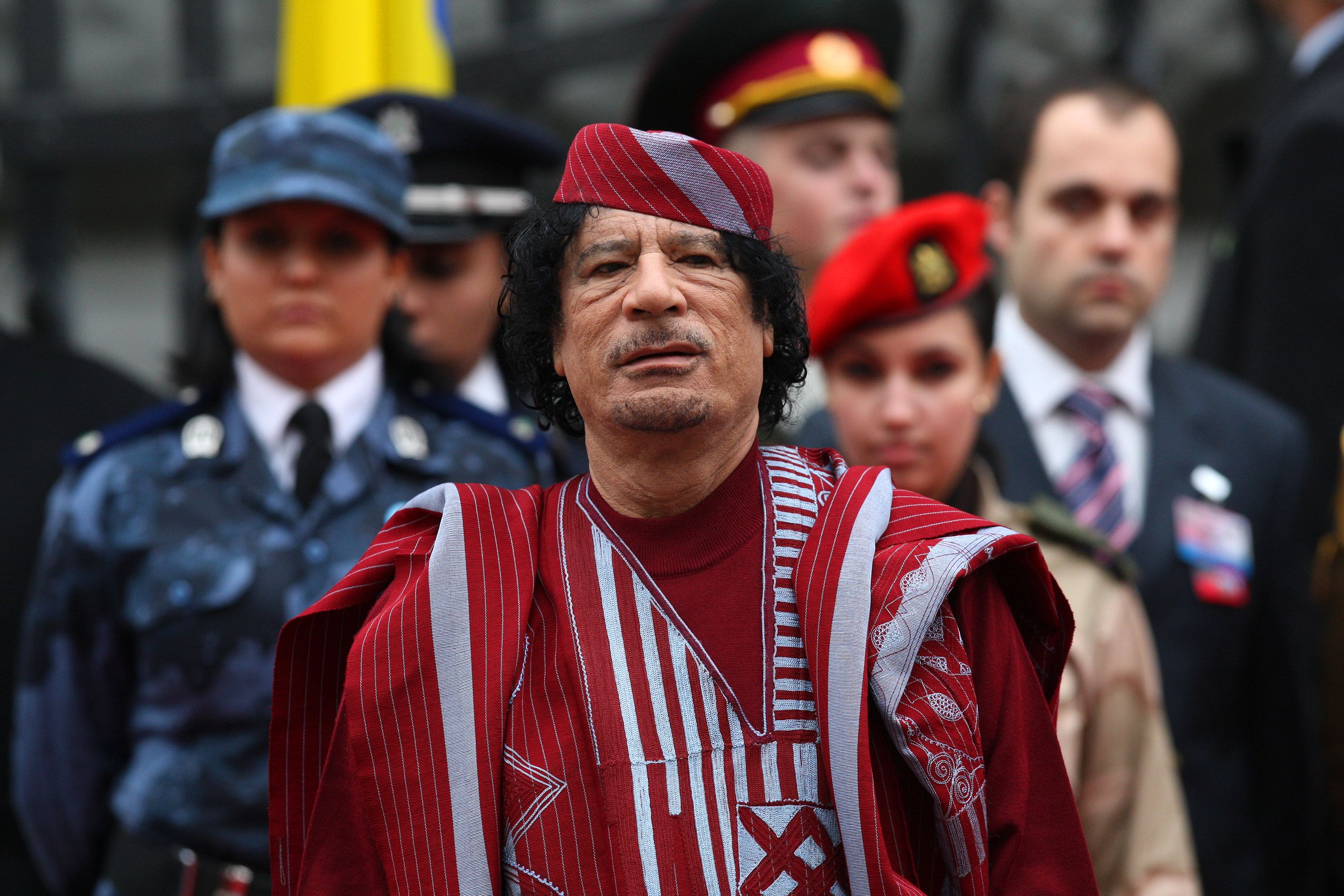
In a development that signals the final collapse of the Gaddafi family’s lingering influence in North Africa, Saif al-Islam Gaddafi, the second son and one-time heir apparent of the late Muammar Gaddafi, has been assassinated. The killing took place on Tuesday at his private residence, ending over a decade of speculation regarding his potential return to power in a fractured Libya. According to family sources and regional reports, the operation was carried out by a small team of assassins who managed to breach his security and flee before local authorities could respond. For years, Saif al-Islam had been a ghost in the Libyan political landscape, moving between hidden locations while maintaining a significant following among those nostalgic for his father's era. His death marks a definitive end to the political movement that sought to restore the former regime's glory.
The Garden Ambush and the Assassins’ Escape
The assassination was reportedly a precision strike carried out by four individuals. According to a source close to the family, the gunmen cornered Saif al-Islam in his private garden before opening fire. "Saif al-Islam Gaddafi's assassination was carried out by four people who quickly fled the scene after shooting him in his garden," the source stated. The killers apparently possessed detailed knowledge of his movements and the layout of his property, allowing them to bypass guards and execute the hit with professional speed. While no group has officially claimed responsibility for the war-like act, the hit occurs amidst a period of intense regional instability and a reshuffling of power among Libya's various armed factions.
Reports from the ground indicate that the death occurred under "mysterious circumstances," a term often used when the culprits are suspected to be high-level political rivals or foreign intelligence services. Saif al-Islam had spent the last several years under the protection of the Zintan militia, a group that had famously refused to hand him over to the International Criminal Court (ICC) or the central government in Tripoli. His presence in the western mountains had served as a constant thorn in the side of the UN-backed government, which viewed him as a destabilizing force capable of rallying Gaddafi loyalists into a new war.
The Legacy of the "Refomer" Turned Fugitive
Saif al-Islam Gaddafi was once seen by the international community as the modern face of Libya, an educated diplomat who promised to lead the country toward democracy. However, during the 2011 uprising, he famously abandoned his reformist rhetoric to stand by his father, warning that "rivers of blood" would run through the country if the rebels did not surrender. Since his father's capture and killing in 2011, Saif al-Islam’s life had been a cycle of imprisonment and legal battles. He was sentenced to death in absentia by a Tripoli court in 2015 for crimes against humanity, but he remained a wanted man by the ICC in The Hague.
Despite his legal status, he had recently attempted to re-enter the political fray, even announcing his candidacy for president during aborted election cycles. His death removes the most prominent figure of the "Green Resistance," leaving his supporters without a clear leader. As the news of his killing spreads, many fear that his followers may seek revenge against rival factions, potentially sparking a new wave of violence in a country that has seen little peace since the fall of the Jamahiriya. With the "son of the desert" now dead, the chapter on the Gaddafi family in Libyan history appears to be permanently closed.