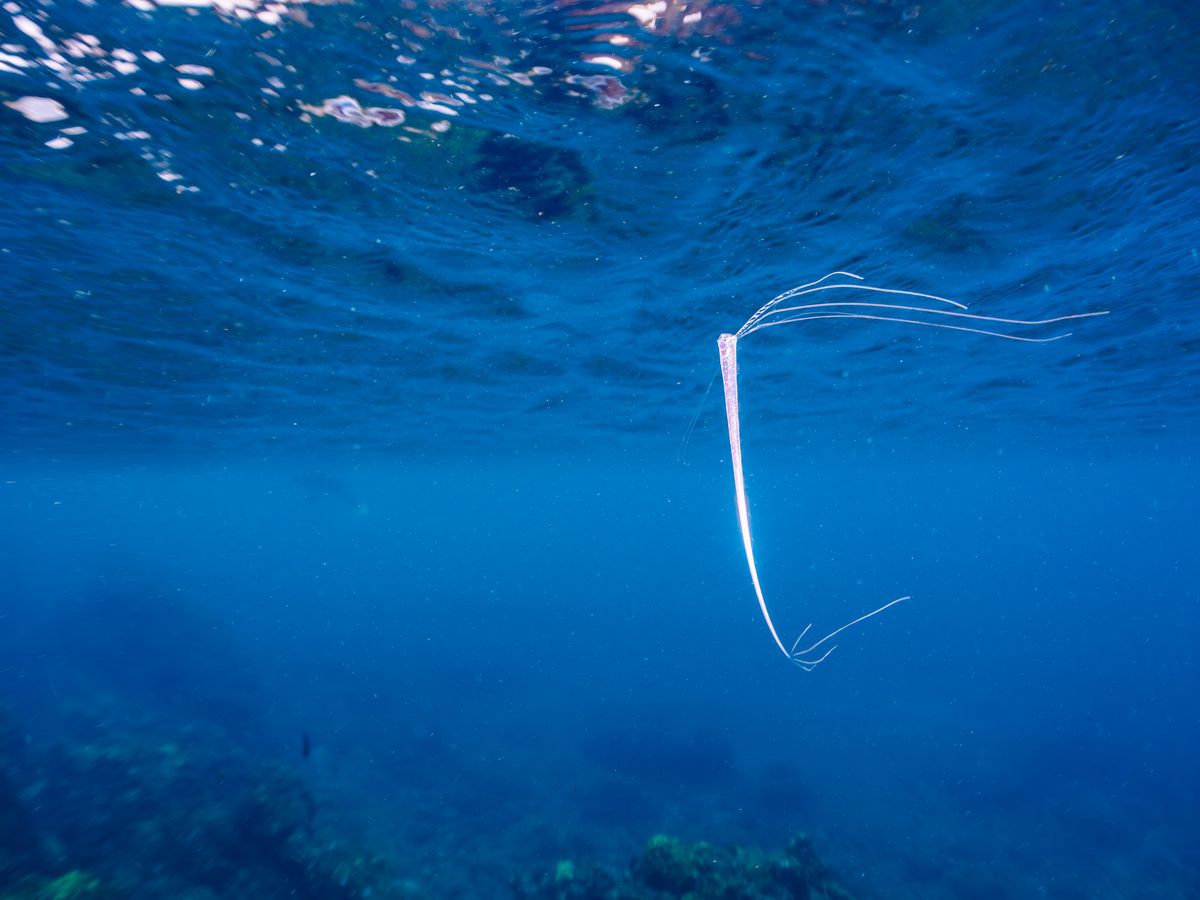
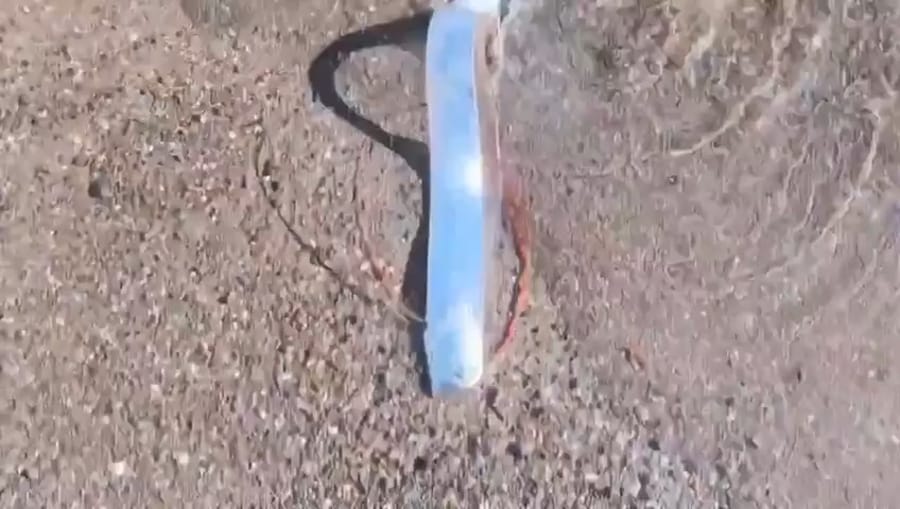
This wasn’t just a random fish out of water. Oarfish, part of the Regalecus genus, are among the longest bony fish on Earth, capable of stretching up to 36 feet. With their gaping mouths and eel-like bodies, they’ve fueled sea serpent lore for centuries. Known as the "King of Herring" for their regal look and "Doomsday Fish" in Japanese folklore—where they’re tied to earthquakes and disasters—this sighting has the internet buzzing with both awe and unease.
Why Was It Here?
Scientists are quick to point out that oarfish don’t just pop up for a beach day. “They’re deep-sea residents, and seeing one alive in shallow water is like spotting a unicorn,” says Ted Pietsch, a fish expert from the University of Washington. The wound on this oarfish’s face, possibly infected, could explain its odd behavior—swimming loops and head-butting rocks. “When they’re injured or dying, they sometimes drift to the surface,” notes the Florida Museum.
The Baja sighting isn’t alone. Just months ago, in August 2024, a 12-foot oarfish washed up dead in La Jolla, California—the 20th recorded there since 1901 (Scripps Institution of Oceanography). Then, in November, another hit Encinitas. Add a black seadevil anglerfish spotted off Tenerife last week, and it’s been a wild season for deep-sea oddities. Coincidence, or something stirring in the abyss?
A Fish Steeped in Mystery and Myth
Oarfish are more than just a rare catch—they’re a cultural phenomenon. In Japan, they’re called ryugu no tsukai (messengers from the dragon palace), tied to tales of impending doom. Yet science pushes back: “These are isolated events, not omens,” Pietsch insists. Found in tropical and temperate waters worldwide, oarfish remain a puzzle—little is known about their diet, reproduction, or numbers due to their deep-sea hideouts.
The Playa El Chamado specimen wasn’t a record-breaker—smaller than the 20-footer found in Pichilingue, Mexico, in 2020—but its live appearance sets it apart. Most oarfish spotted are already dead, washed ashore like ghostly relics. This one, swimming and thrashing, gave Hayes and others a front-row seat to a natural spectacle.
Baja’s Eco-Hotspot Adds to the Drama
Playa El Chamado, nestled near Loreto in Baja California Sur, is no stranger to wildlife wonders. Known for ecotourism—think night dives and whale-watching—it’s a hotspot for hammerhead sharks and blue whales.
What’s Next for the ‘Doomsday Fish’?
While social media lights up with “end-times” theories, researchers see a chance to learn. The Baja oarfish could offer clues about deep-sea life, especially if its wound points to environmental shifts. Recent sightings of other deep-sea critters suggest something’s afoot—though Pietsch cautions it’s likely just nature doing its thing.
For now, Hayes’ encounter is a viral hit, a reminder of how the ocean still hides giants that can surface when we least expect it.
Sources: Washington Post, New York Times, Scripps Institution of Oceanography, Mexiconewsdaily, NPR, Guardian, Florida Museum, Ocean Conservancy