Get our mobile app
Download on the App StoreGet it on Google Play

Post-Assad Reckoning

Ex-Syrian Grand Mufti Gets Life Sentence

Ahmad Badr al-Din Hassoun, who served as Syria's top religious authority under Assad, was convicted of inciting violence and justifying the regime's use of barrel bombs against civilians

Ahmad Badr al-Din Hassoun

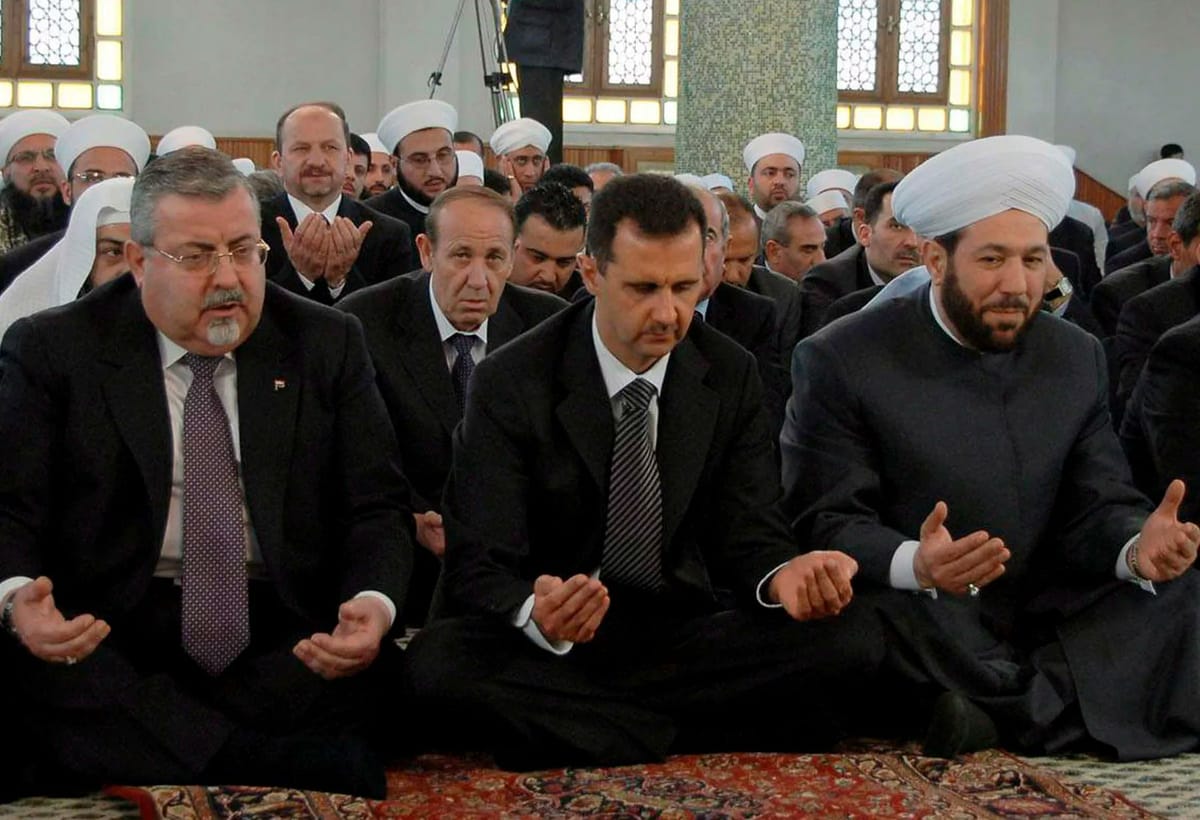
A Damascus criminal court sentenced Ahmad Badr al-Din Hassoun to life imprisonment on Monday, marking one of the most prominent convictions in Syria's ongoing legal reckoning with the Assad era. Hassoun served as Syria's Grand Mufti, the country's highest Sunni Muslim religious authority, from 2005 until 2021, when the position was abolished as part of a restructuring of the state's religious establishment. Throughout Bashar al-Assad's rule, he was widely regarded as one of the senior clerics most closely aligned with the regime.

The conviction followed a trial in which Hassoun faced charges including incitement to violence, justification of killings, encouragement of civil war and sectarian conflict, and exploitation of his religious office to serve the regime's interests. According to the Fourth Criminal Court in Damascus, the official religious establishment during the Assad period was systematically mobilized to provide "religious cover" for military and security operations, presenting them as legitimate to the Syrian public.

The court determined that the religious establishment under the regime justified their use of barrel bombs, the crude, improvised explosive devices that became one of the Syrian war's most notorious weapons.

They justified their use of these bombs in civilian areas despite the massive destruction inflicted on the population, a practice the court ruled violated international humanitarian law. This finding earned Hassoun the nickname "the Mufti of the barrels."
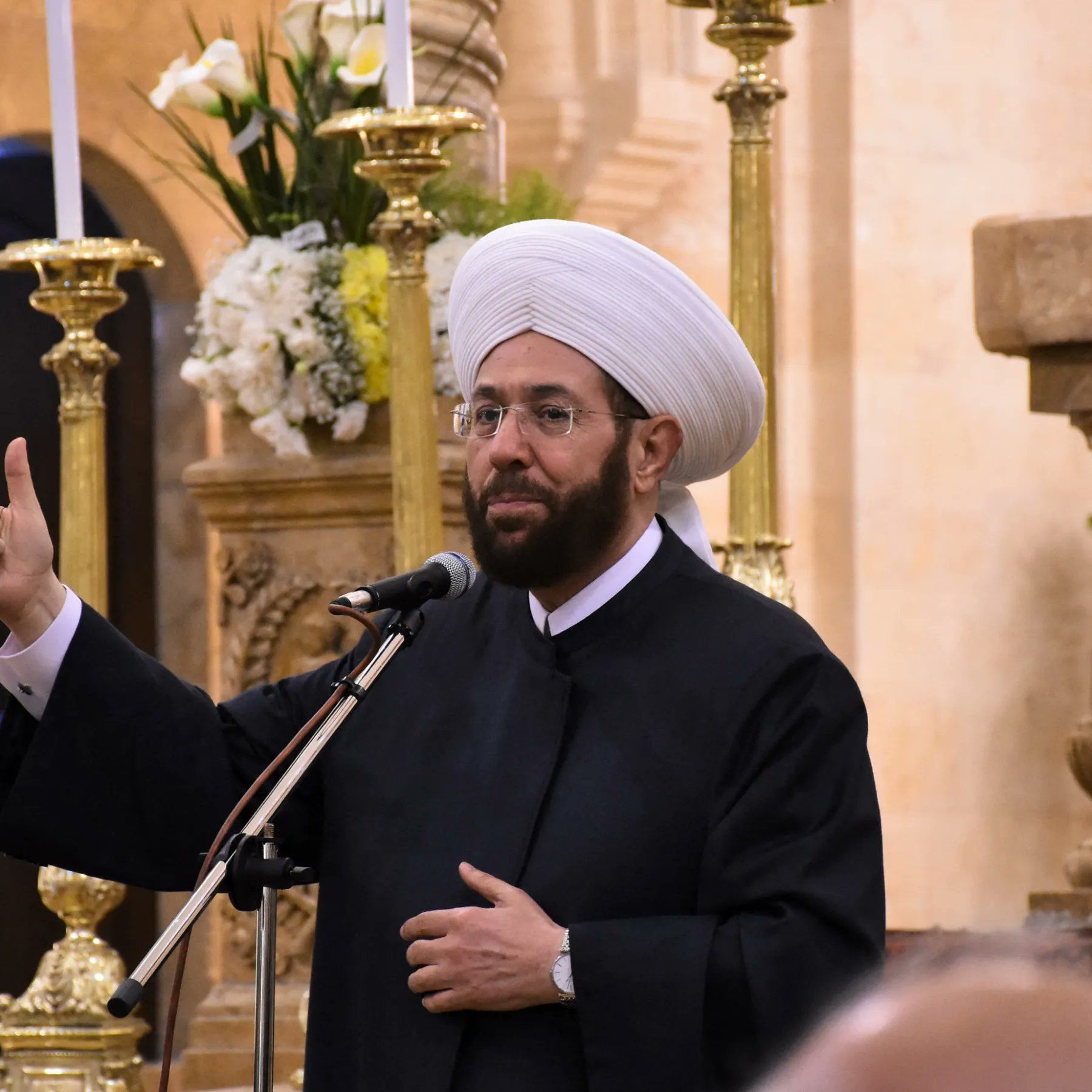

Hassoun was arrested in March 2025 after Syrian authorities detained him while he was attempting to leave the country. His trial formed part of a broader effort to establish accountability for crimes committed during Assad's rule. During the proceedings, prosecutors presented evidence and testimony regarding Hassoun's connections with senior figures in the security apparatus, military, and regime-affiliated militias.

The court also ordered the confiscation of Hassoun's assets and funds for the state treasury, and ruled that due to the severity of his offenses, he would be ineligible for any general or special pardon.

The verdict fits into a wider pattern of legal accountability in post-Assad Syria. In recent weeks, courts have issued severe sentences against other senior regime figures, including death sentences in absentia for Bashar al-Assad and his brother Maher. Unlike them, however, Hassoun was present in court and now faces serving the life sentence imposed upon him.

Ready for more?

Join our newsletter to receive updates on new articles and exclusive content.

We respect your privacy and will never share your information.

Enjoyed this article?

Yes (0)
No (0)
Follow Us:

Unmissable content


Loading comments...

Also of Interest