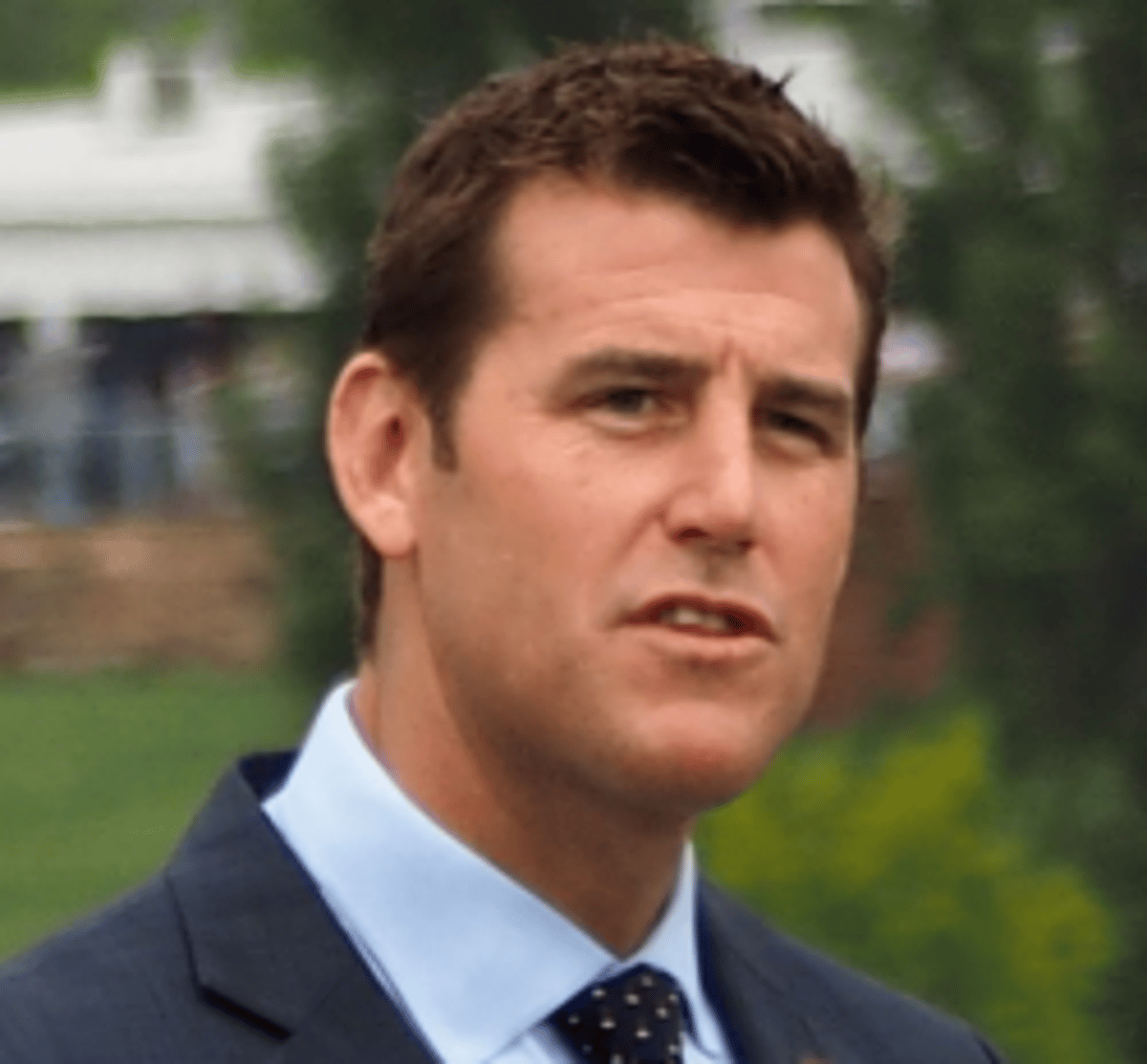
As Australia’s most decorated soldier Ben Roberts-Smith fights fresh criminal war crimes charges, newly highlighted court documents from his landmark defamation trial have raised fresh questions about the reliability of key Afghan testimony used against him.
Activist and commentator Drew Pavlou spent hours poring over Federal Court records this week and shared explosive details on X, noting that three illiterate subsistence farmers from a Taliban stronghold village openly admitted viewing Australian troops, including Roberts-Smith, as “infidels” and “kafir.”
The testimony was central to Nine Entertainment’s defence in Roberts-Smith’s 2021-2023 defamation suit over explosive allegations that he murdered unarmed Afghan civilians, including farmer Ali Jan in the village of Darwan in 2012. Roberts-Smith has always maintained Jan was a Taliban spotter and that the area was a known insurgent stronghold during the raid.
Court drawings and transcripts show witnesses Mohammed Hanifa and Mangul (among others) expressing clear religious and cultural contempt:
- Hanifa confirmed foreign soldiers were routinely called “infidels” or “kafir” and said he hated them “for going near our women.”
- He told the court: “If they are coming to our houses, go inside to our women, of course that’s what we call them infidels.”
- Mangul admitted he viewed the soldiers as infidels even though he did not like the Taliban. When asked if he hated the invading soldiers who did not share his Islamic faith, he replied: “Yes, it is like that.”
- Those killed by coalition forces were referred to as “martyrs.”
One witness also admitted taking a donkey from Ali Jan to make them both appear as nomads when Australian helicopters arrived.
Nine Media’s Role and Logistics
The documents further reveal that a fixer named “Dr Sharif,” working for Nine newspapers, paid for the witnesses’ accommodation, food and transport – sometimes for up to a year, while they and their large families (one with 14 relatives) were moved to Kandahar and then Kabul. facebook.com
Testimony itself was given via an extraordinary three-way international video link. The only court-certified Pashto interpreter was in Ontario, Canada. Hearings in Sydney at 10:15am meant 8:15pm in Canada and 4:45am in Kabul. The interpreter conceded he struggled with the rural Pashto dialect spoken by the villagers.
Crucially, none of the three Afghan witnesses claimed to have seen the alleged execution shooting of Ali Jan. Two said they saw Roberts-Smith kick a man off a cliff.
Court’s Ruling on Bias
Justice Anthony Besanko addressed the “infidel” motive and the financial support from Nine Media in brief paragraphs, concluding neither amounted to a strong motive for the witnesses to lie. Roberts-Smith’s barristers directly suggested to one witness that his religion might permit lying to infidels in some circumstances – a proposition the witness rejected.
Pavlou argues the ruling failed to fully grapple with the deep cultural gulf between Australian legal standards and conservative Pashtunwali values in a Taliban-controlled area.
Higher Stakes Now Loom
The revelations come at a critical moment. On 7 April 2026, Roberts-Smith, 47, was arrested at Sydney Airport and charged with five counts of the war crime of murder over alleged killings of unarmed civilians in Afghanistan between 2009 and 2012. Each count carries a maximum penalty of life imprisonment. He spent nights in custody before his first court appearance and is contesting all charges. A further hearing is set for early June.
Pavlou believes that the upcoming criminal trial will apply the far higher “beyond reasonable doubt” standard, unlike the civil “balance of probabilities” threshold that led to the defamation findings against him.
Pavlou noted that while the Afghan testimony was not the only evidence (it corroborated an Australian soldier’s account), relying on witnesses who openly expressed religious hostility toward Australian forces now faces much greater scrutiny.
The case continues to divide Australia, pitting the reputation of a Victoria Cross recipient against grave allegations from one of the nation’s longest wars. Roberts-Smith maintains his innocence and has vowed to fight the charges.