The Collapse of the 'Brussels Blockade'
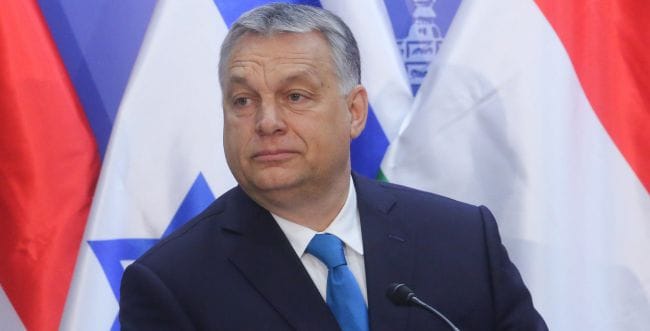
For over a decade, Hungary served as a strategic "line of defense" within the European Union for its allies. By consistently leveraging its veto power, Orban’s government single-handedly frustrated EU consensus, stalling sanctions and blocking resolutions that targeted his international partners.
With Peter Magyar poised to take the helm, that "automatic veto" is expected to vanish. Magyar has signaled a desire to appease EU institutions and mend ties with Brussels, a move that would effectively dismantle the diplomatic shield that countries like Israel and Russia have come to rely on.
A Blow to the Moscow-Washington Axis
The anxiety over Orban’s exit extends far beyond the borders of the EU:
- In Russia: Orban was frequently seen as the "spoiler" within NATO and the EU. His departure removes a sympathetic voice that often complicated Western efforts to present a unified front against the Kremlin, leaving Moscow without its most effective advocate in the heart of Europe.
- In the United States: For American conservatives, Orban was a blueprint for a specific brand of national populism. His defeat removes a key international figurehead for the U.S. right, creating a vacuum in the global movement that viewed Budapest as its intellectual capital.
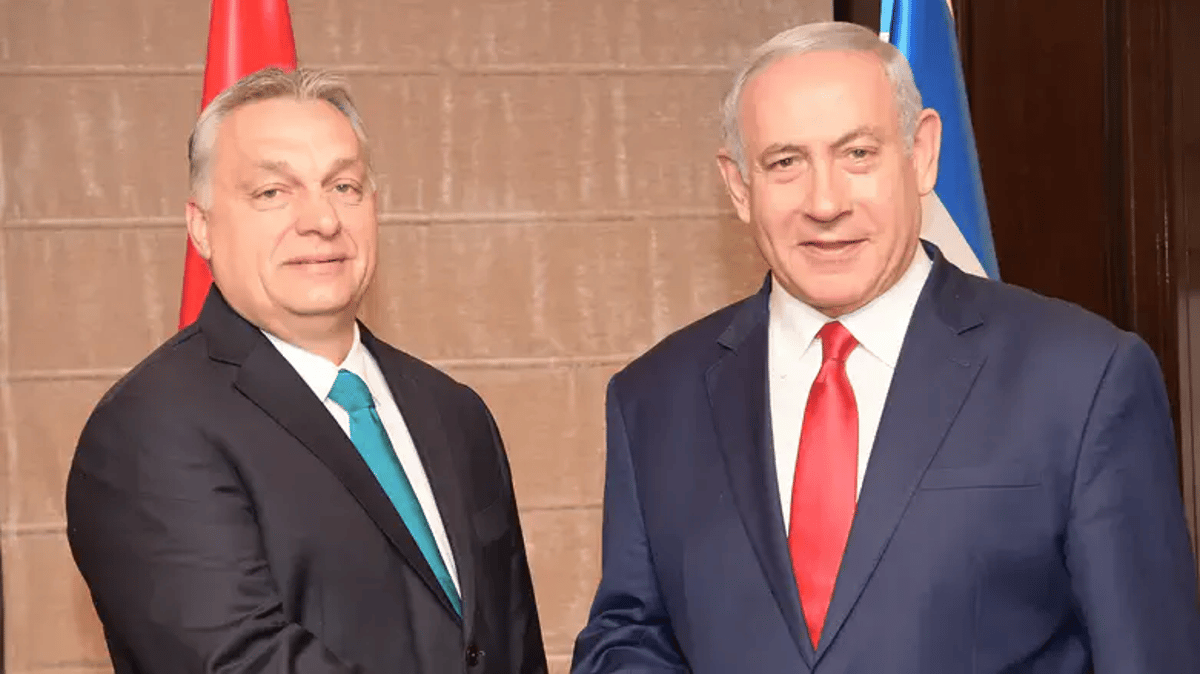
- In Jerusalem: The personal and ideological bond between Orban and Prime Minister Benjamin Netanyahu transformed Hungary into Israel’s most vocal defender in Europe. Analysts warn that a Magyar administration will likely return Hungary to a "standard" diplomatic track, cooling the unique bilateral intimacy of the Orban years and aligning more closely with the EU’s often-critical stance on Middle Eastern affairs.
The Jewish Community and Domestic Change
The leadership change also brings a complicated forecast for Hungary’s Jewish community. While Orban was seen by many as a protector of Jewish life, he was simultaneously accused of using controversial, high-octane rhetoric. The transition to the Magyar era leaves the community in a state of flux, weighing the loss of a known, if controversial, defender against the unknown policies of a new government seeking favor with the West.
A New Era of Uncertainty
As the final votes are tallied, the primary takeaway for Orban’s global support network is a newfound vulnerability. For the leaders who took his "victory" for granted, the morning after brings a harsh reality: the central pillar of their European strategy has crumbled. Without a "Victor" in Budapest to hold the line, the era of Hungarian defiance is ending, replaced by a horizon of diplomatic unpredictability.