An intelligence report generated with the help of artificial intelligence nearly triggered a military confrontation between the United States and China this past spring.
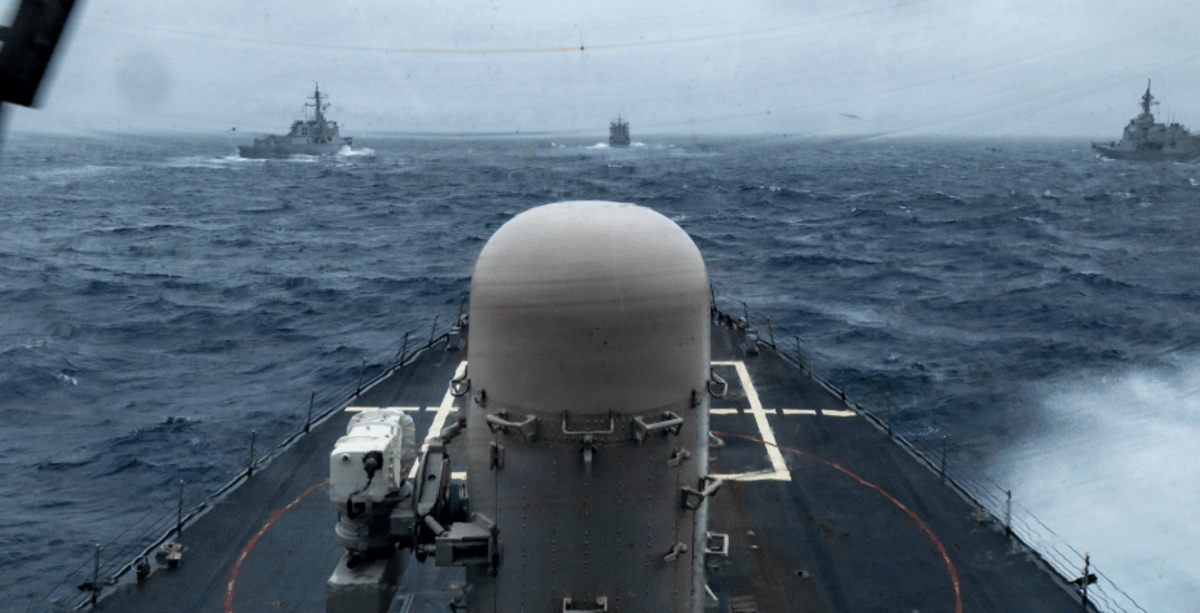
According to a CNN report, during the war between the U.S. and Iran, American military forces received information indicating that a Chinese ship passing through the Middle East was carrying components related to a nuclear weapons program.
The report sparked alarm within the American security establishment, and the military began preparing to intercept the vessel. According to sources who spoke with CNN, military personnel were already preparing to board the ship and American aircraft were airborne in preparation for the operation.
But before the mission launched, senior officials reviewed the intelligence a second time and discovered a critical problem: the report had been generated with the assistance of an AI chatbot, which had misidentified the cargo aboard the ship.
According to the report, an analyst at Special Operations Command had fed the system a combination of classified intelligence and open-source information, including details from the ship's cargo manifests. The AI system interpreted the data incorrectly, and the information subsequently became part of an intelligence brief that was distributed throughout the military.
Ultimately, the error was discovered before the operation was carried out. But the incident illustrates how quickly erroneous information generated by artificial intelligence can advance from an analyst's screen to decision-makers, and in this case, nearly all the way to a confrontation between two superpowers.