If an Israeli soldier was wounded in Lebanon in 2006, he had a 15 percent chance of dying. In the war that began on October 7, that number is 7.1 percent.
That is thousands of wounded soldiers and a death rate cut by more than half. The U.S. Army has noticed.
The figures come from IDF data shared with Fox News Digital by a senior IDF specialist in battlefield medicine, who walked the outlet through what changed. None of it is magic. It is a series of decisions about where to put people and equipment, made by an army that learned the hard way.
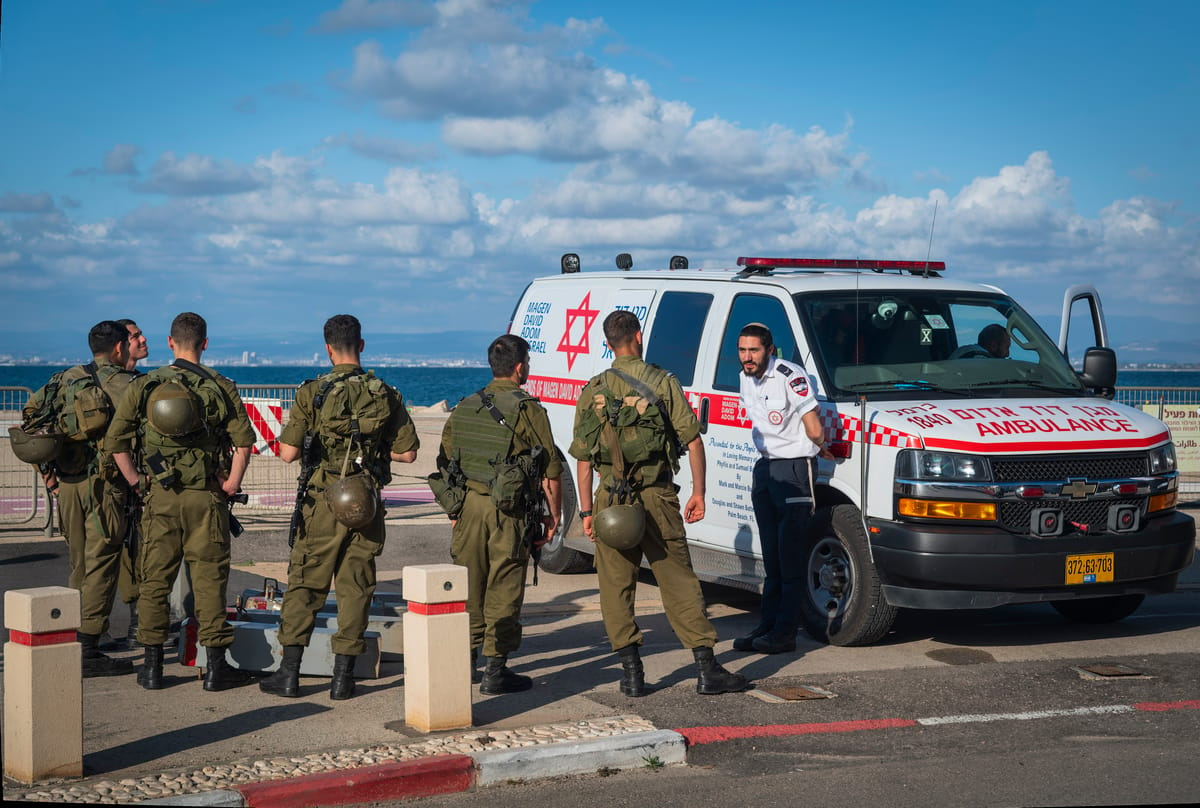
The first is doctors. The IDF now puts one in every company, right at the front, so the critical calls are made in the first minutes and not after a long ride to the rear. Advanced life support used to take 15 to 20 minutes to reach a wounded soldier. Now it gets there in four.
The second is blood. First responders carry plasma into the field on their backs, in coolers, so a soldier who is bleeding out can get it where he fell.
The third is information. A real-time data network lets every medical officer along the chain see a casualty's details instantly, from the medic kneeling next to him to the team waiting at the hospital. And the hospital is never far, because the IDF can fly its wounded to Israeli trauma centers quickly.
The Americans came to see it for themselves. In April, the U.S. Army published a 78-page report titled "Israeli Defense Force Medical Lessons Learned," and its message to its own commanders was not subtle. Israel had prepared for war, the authors wrote, and still had to reinvent its medical system painfully, in the middle of the fighting. The U.S. has the chance to skip that part. "The time for preparation is now," the report says, adding that having skilled medics and good tactics is not enough on its own.
An IDF spokesman told Fox the study was a joint effort and that American officers came to Israel to learn directly from the Medical Corps.
There is an interesting symmetry here. The IDF specialist said Israel's approach was built on a landmark 2012 American study of battlefield deaths in Iraq and Afghanistan. Israel took America's research, tested it in the hardest conditions imaginable, and is now handing the results back.