Iranian officials have hinted that their forces could carry out ground incursions into neighboring countries if the United States resumes strikes on Iran, The Wall Street Journal reported on Tuesday, citing people familiar with the warnings.
According to the report, Tehran has warned both publicly and in private talks with regional officials that it would respond to new American strikes with further escalation across the Middle East. The regime believes President Donald Trump is preparing to attack again after the November 3 midterm elections and sees its threats as a way to deter him.
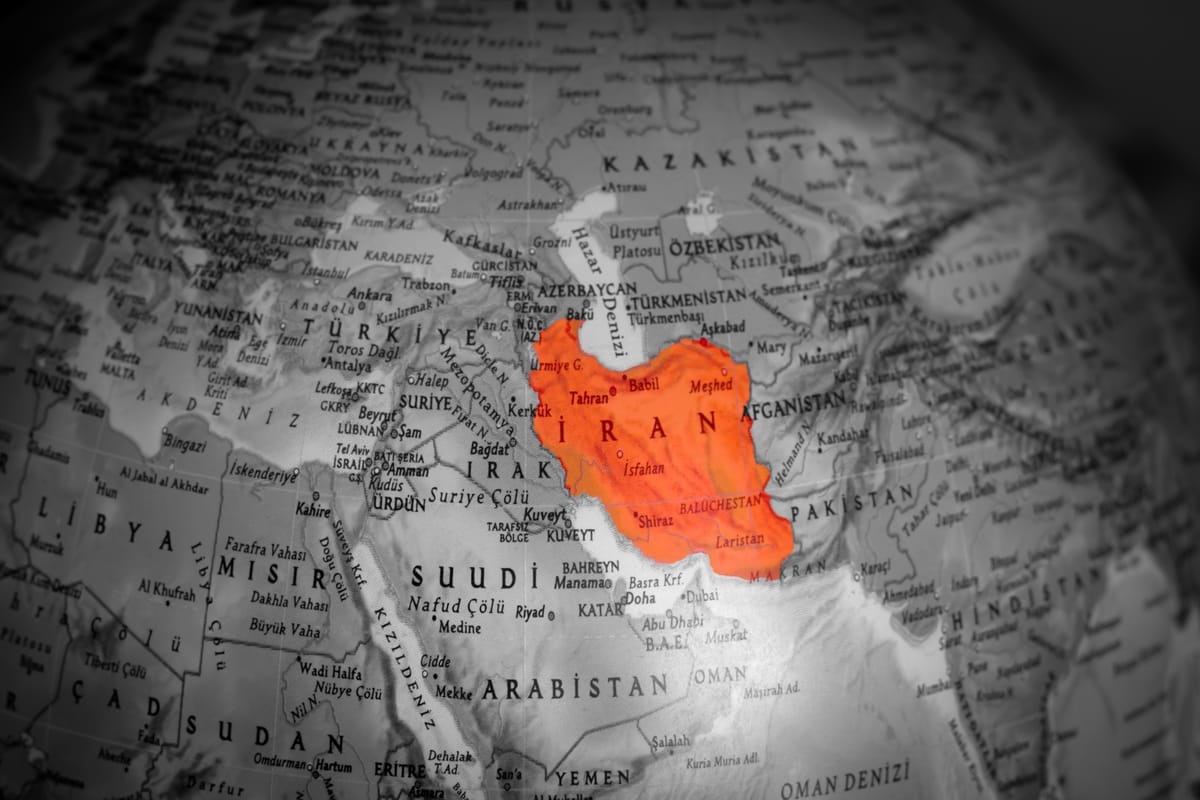
Mohsen Rezaei, whom the Journal described as Iran's top national security official, said on Sunday that Tehran could target the United Arab Emirates, which has largely avoided Iranian attacks since late spring, as well as data centers and internet cables across the region.
Iran has also warned Arab officials that it could strike Saudi oil facilities in the event of renewed fighting, according to the report. The warning comes days after the Iran-backed Houthis in Yemen fired a missile at the international airport in Riyadh on Saturday, killing at least 13 people and wounding hundreds. The Journal described it as the deadliest single attack on the United States or its Gulf allies in the conflicts linked to the Iran war.
Tehran has also told mediators that it would more aggressively target American personnel, including attempts to sink U.S. warships in the region, according to people familiar with the warnings.
The report said satellite images show Iran reinforcing sensitive sites, including nuclear facilities and border areas. Last month, Iran built dirt mounds and other passive defenses around its Pickaxe Mountain and Natanz nuclear sites to obstruct any raid by ground forces, according to satellite imagery analyzed by the Institute for Science and International Security.
The regime has used the pause in direct fighting since late July to rebuild its missile and drone production and replenish its arsenal, the Journal reported. Iran's supreme leader, Mojtaba Khamenei, praised that effort in September while acknowledging supply chain difficulties.
Inside Iran, the government is preparing the public for renewed war. Billboards in Tehran advertise civilian training in shoulder-fired antiaircraft missiles and sniper rifles, and Revolutionary Guard units have visited kindergartens to tell children stories about the fighting earlier this year.
Analysts quoted by the Journal said Iran has little ability to defend itself against advanced American aircraft and cruise missiles, which gives it a strong incentive to rely on threats. Behnam Ben Taleblu of the Foundation for Defense of Democracies said the regime's steps amount to both deterrence and active war planning.
The threats come as the United States builds up its own forces in the region. A third aircraft carrier strike group and an additional Marine expeditionary unit are heading to the Middle East, and the Pentagon is weighing sending more air defense systems and munitions to regional bases.
Trump said last week that the United States would not attack Iran before the midterm elections, but he has publicly considered striking the Pickaxe Mountain nuclear site, and U.S. officials say the military is preparing options for new strikes.
Iran has meanwhile stepped up attacks on shipping. At least three commercial vessels were hit in and around the Strait of Hormuz over the weekend, according to U.K. Maritime Trade Operations, including an Emirati tanker that caught fire near Oman after a drone strike, leaving two Indian sailors missing.