Get our mobile app
Download on the App StoreGet it on Google Play

Brazil election

Brazil debate: "Don't steal my wallet"

A week before the runoff, President Lula and Senator Bolsonaro traded barbs over corruption, crime and the economy in a televised clash that veered from policy to personal insults

The Brazil presidential debate

A week before Brazil's presidential runoff, incumbent President Luiz Inácio Lula da Silva and Senator Flávio Bolsonaro faced off in their first televised debate, turning what was meant to be a policy discussion into a personal slugfest marked by corruption accusations, insults and clashes over crime, the economy and relations with the United States.

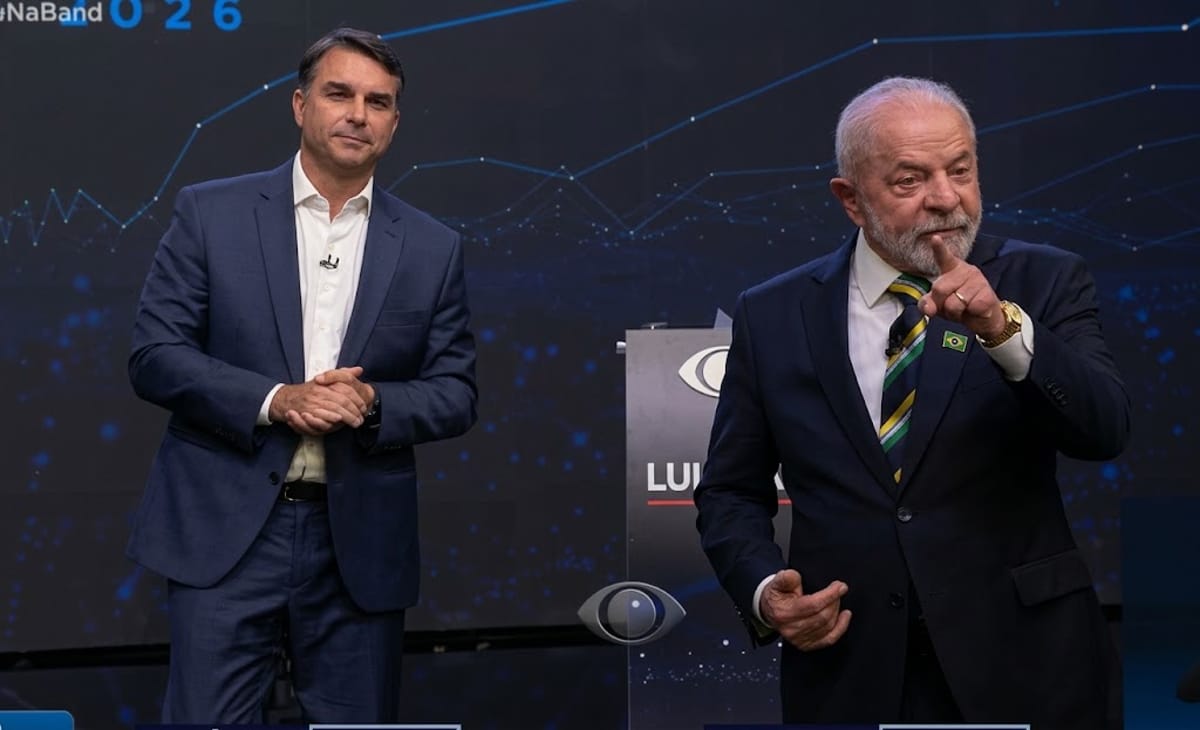
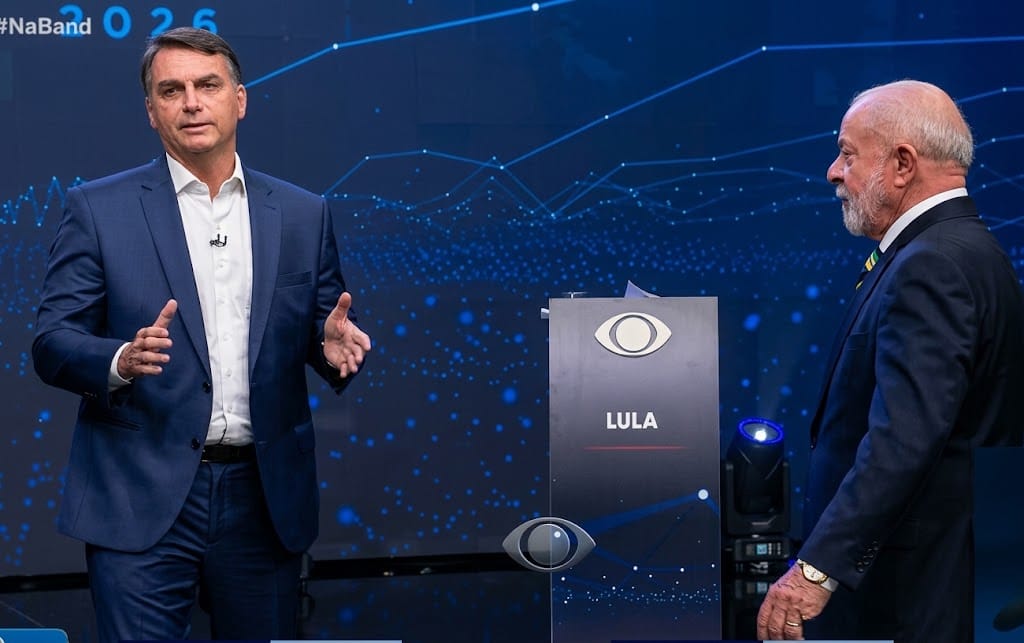
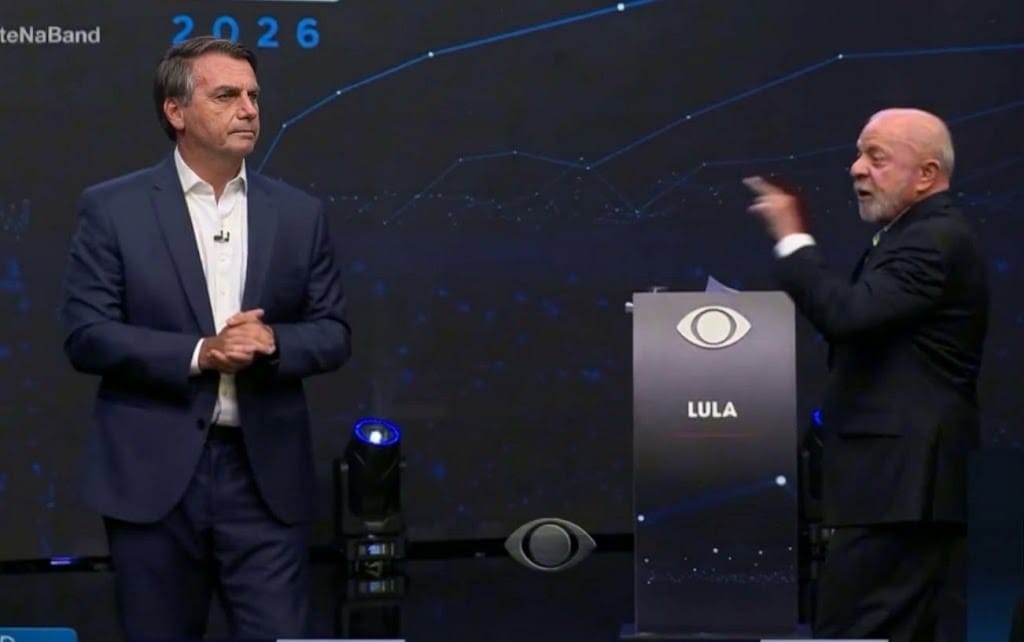
The debate, broadcast Sunday on the Band television network, produced several extraordinary moments as the exchange between the two candidates quickly descended from political argument to personal confrontation. At one point, Bolsonaro invited Lula to come closer to speak with him, but the president rejected the offer with a jab at his opponent's family.

"I don't want to be close to you. The Bolsonaro family --- I want to keep my distance from them. I want to keep my distance from militia people," Lula said, referring to allegations of ties between members of the Bolsonaro family and organized crime groups.

Bolsonaro fired back with what became one of the debate's most memorable lines: "I don't have my wallet here, so relax. When I think about it, maybe it really is better to stay far away, because my wallet might get stolen." The remark was aimed at the corruption allegations he has leveled at Lula and his Workers' Party.
The Brazil presidential debate
The Brazil presidential debate (Photo: screenshot)

But the personal attacks were only part of the confrontation. The two candidates devoted much of the debate to mutual accusations of corruption, each attempting to portray his opponent as unfit to lead Latin America's largest nation.

Lula attacked the Bolsonaro family and raised questions about Flávio's ties to businessman and former banker Daniel Vorcaro. The allegations involve the raising of 134 million Brazilian reais to finance a film about the life of former President Jair Bolsonaro. Lula demanded his opponent explain the affair.

Bolsonaro, for his part, attacked Lula's administration and the Workers' Party, raising allegations about the president's son, known as Lulinha. He accused the opposing camp of corruption and presented the election as an opportunity to change the government and fight graft.

During the debate, both men also addressed the economic situation and public security. Bolsonaro argued that replacing Lula would help improve the economy and combat crime, while the incumbent president defended his government's achievements and social assistance programs. The discussion took place against a backdrop of concerns about the cost of living, household debt and the strengthening of criminal organizations in the country.

The Brazil presidential debate
The Brazil presidential debate (Photo: screenshot)

Foreign relations also became part of the battle. Lula portrayed his opponent as aligned with the interests of U.S. President Donald Trump, suggesting that a Bolsonaro victory could strengthen Washington's influence in the region. A Lula victory, by contrast, is expected to continue his policy of maintaining relative distance from the United States while deepening ties with China.

The debate lasted about two hours, but according to the AFP news agency, it was characterized mainly by exchanges of barbs and personal accusations, with less detailed discussion of their plans for the future, precisely at a stage when the candidates are seeking to persuade the last undecided voters ahead of the decisive vote.

The presidential race remains tight. In the first round, held on October 4, Flávio Bolsonaro won about 47 percent of the vote, compared to about 45 percent for Lula. A poll by the Datapolia institute published on October 13 gave Bolsonaro 49 percent of the vote and Lula 45 percent, a result within the poll's margin of error.

Bolsonaro, 45, is the son of former President Jair Bolsonaro, who is serving a 27-year prison sentence following his conviction in a case related to an attempted coup. Lula, 80, is seeking a fourth non-consecutive presidential term. The election, scheduled for October 25, is expected to determine not only Brazil's economic and political future, but also the direction of its foreign policy and the balance of power in Latin America.

Another debate between the two is scheduled for Friday on the Globo television network, three days before the vote.

Ready for more?

Join our newsletter to receive updates on new articles and exclusive content.

We respect your privacy and will never share your information.

Enjoyed this article?

Yes
No
Follow Us:

Unmissable content


Loading comments...

Also of Interest