Get our mobile app
Download on the App StoreGet it on Google Play

Harassment or deception?

Bomb threats ground planes across Europe

At least 25 passenger flights received hoax bomb warnings today alone, forcing emergency landings and security sweeps across the continent, no explosives found so far. Aviation experts say the threats cost airlines tens of thousands per incident, even when false, and Israel's security apparatus says Ben Gurion's screening makes such scenarios far less likely here.

Europe Hit by Wave of Bomb Threats on Planes: How Airlines Respond and Could it Happen to You?

European aviation is dealing today (Thursday) with an unusual wave of bomb threats on passenger aircraft. According to Reuters, at least 25 passenger flights received hoax bomb warnings. The threats forced planes to make emergency landings and others to undergo security checks at airports across the continent.

A plane carrying 151 passengers en route from Dublin, Ireland, to Rome, Italy, made an emergency landing at a French air force base, according to the French prime minister's office. In Romania, a Wizz Air flight from Milan that received a bomb warning landed safely in Bucharest after the alert.

Bulgaria received warnings against three passenger flights. Two aircraft arriving from Copenhagen and Madrid landed in Sofia, while a flight that took off from London landed in Plovdiv. In Belgium, a LOT Polish Airlines plane arriving from Warsaw landed in Brussels following a security report requiring inspection.

Italy also saw heightened alert after a threat against a Finnair flight from Helsinki to Rome. The aircraft was escorted by Italian air force jets but landed at its planned destination. Meanwhile, Czech police reported that four flights bound for Prague received bomb warnings ahead of landing.

Today's incidents add to a string of similar events in recent days. On Tuesday alone, bomb warnings were received for at least seven different flights in Poland, Italy, Spain and Bulgaria. The threats led to disruptions in air traffic, unplanned landings and the scrambling of fighter jets, though all inspections that day found no explosives.

Aviation experts say that after a significant security incident in the aviation sector (the Fly Dubai flight incident), anonymous warnings that turn out to be false tend to multiply. For example, following the September 11 attacks in the United States, numerous reports of bombs on planes were received.
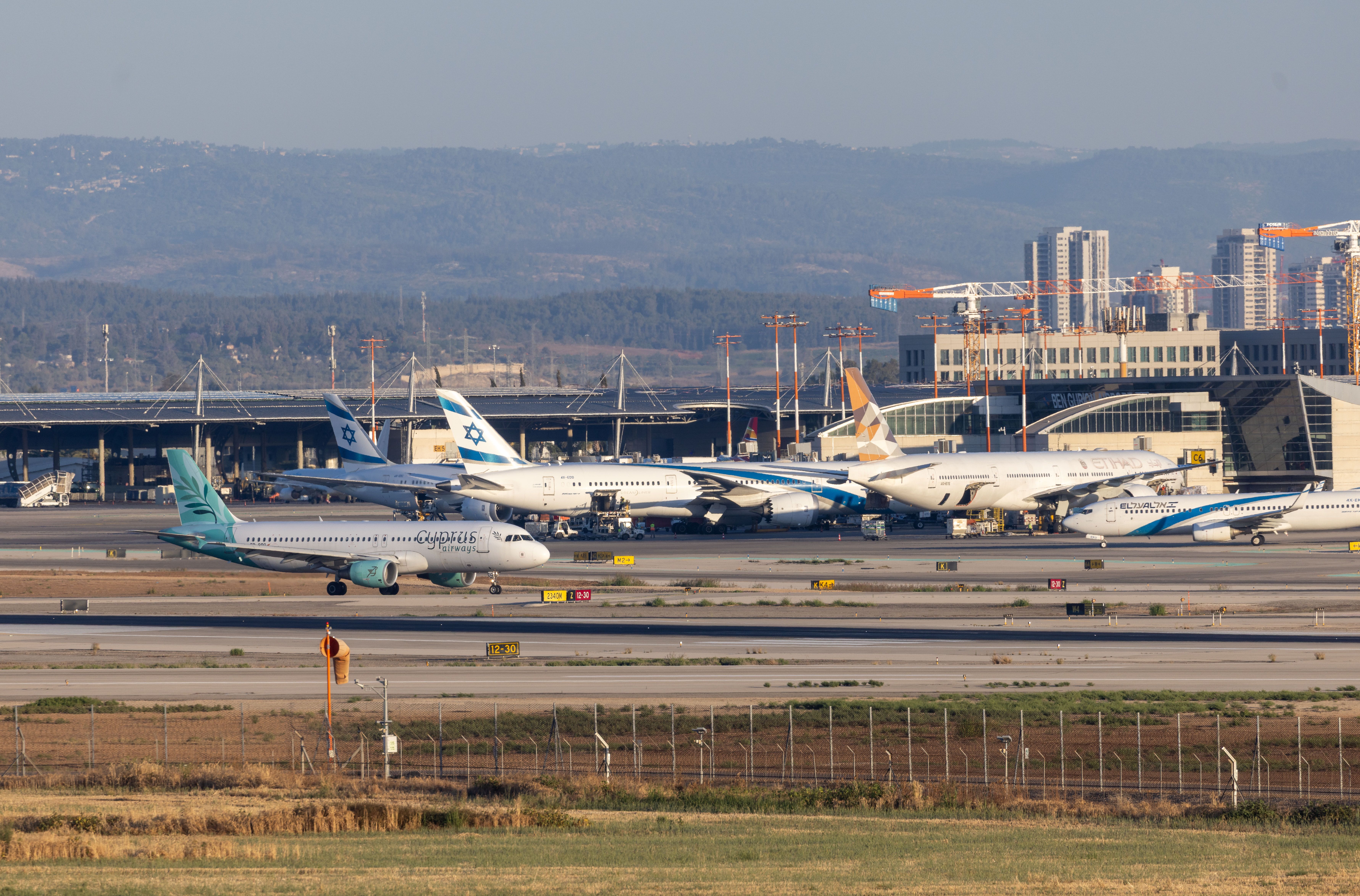
Aircraft at Ben Gurion Airport
Aircraft at Ben Gurion Airport (Photo: Yossi Aloni, Flash90)

Damage without firing a shot

Whether harassment or deception, the sender achieves success simply by sending the message, even without actually planting a bomb, since airlines cannot ignore a security threat just because previous threats proved false. Every warning requires a risk assessment according to circumstances, and in certain cases a decision to change course, make an unplanned landing or activate emergency protocols.

From the perspective of someone seeking to disrupt aviation, this is an enormous advantage. Sending a threatening message costs almost nothing, but the response to it can cost the airline and authorities tens of thousands of euros, sometimes more.

An unplanned landing requires the airline to pay for ground services, parking, additional fuel and sometimes hotels, meals and transportation for passengers. If the aircraft cannot continue its journey, alternative flights must be found or another plane and crew transferred. And that's without calculating the delays to subsequent flights.

For example, in 2024 Indian airlines experienced an attack of false warnings, with 1,119 bomb threats in a single year, 680 of them in October alone. The total cost of damages was estimated at $360 million.

The security apparatus challenge

The current wave of warnings places the global aviation industry before a complex challenge: on one hand, there is an obligation to take every threat seriously and examine it according to intelligence information and circumstances. On the other hand, as false warnings multiply, so does the possibility that hostile elements will exploit security mechanisms to cause repeated disruptions. On a third hand, warnings cannot be dismissed, perhaps this is indeed an attempt to "tire out" the security apparatus ahead of a genuine attempt to plant a bomb.

European security officials are examining whether these are pranks, copycats of previous warnings or a coordinated operation intended to harm aviation activity. Security experts also raised the possibility of hybrid disruption activity, meaning an attempt to cause economic and operational damage through means that do not include direct military attack.

However, as of now there is no public proof that the incidents are connected to each other or that any state stands behind them. In Britain, the warnings that proved false were called "malicious hoax acts." An aviation security expert quoted by Reuters said that the lack of a clear pattern in the choice of airlines and destinations may indicate that the purpose of the threats is to disrupt European aviation activity in general.

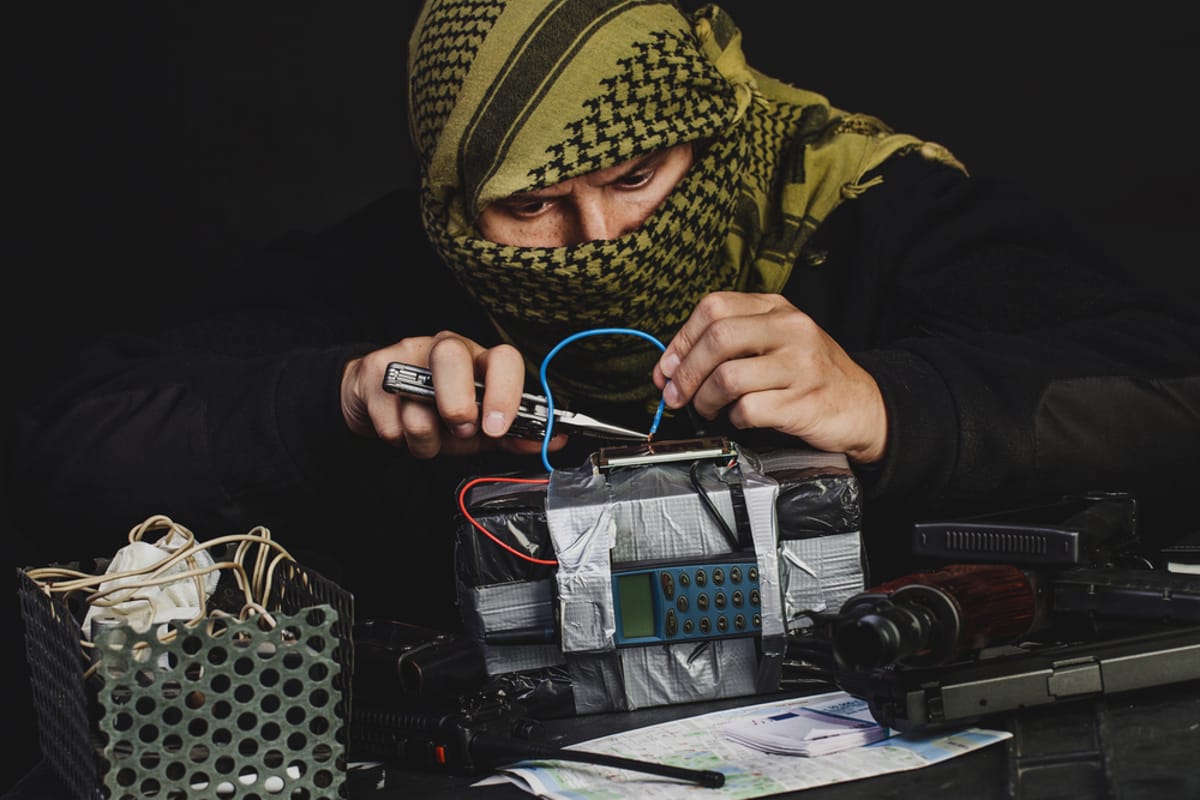
Illustration
Illustration (Photo: Shutterstock)

How threats are handled

The moment a warning is received, the security apparatus checks several parameters to determine how to handle it. The first thing examined is the source of the warning. Is it a phone call from someone not on the plane, a report from a passenger during the flight, or a suspicious finding identified by crew or ground personnel? The stage at which the warning is received is also significant: before takeoff, when the plane is already airborne, or after it has landed.

Security officials also consider the possibility that the threat comes from within the aircraft handling system before takeoff. For example, they examine whether ground workers with access to the hold inserted a suspicious object into luggage, or whether a technician working on the plane exploited his access to it. Therefore, alongside clarifying the source of the warning, checking the parties who had access to the plane and hold before departure is also important.

According to Federal Aviation Administration (FAA) guidelines for flight controllers, a distinction must be made between a general threat and a threat focused on a specific aircraft. In the case of a focused threat, controllers are required to inform the pilot, and they may direct him to professional consultation with an explosives expert. When the aircraft is on the ground, the guidelines also include moving it away from other aircraft and facilities and transferring it to an isolated area for inspection, according to circumstances.

And what about Israel?

Regarding Israel, security officials quoted by Ynet said that the security apparatus at Ben Gurion Airport, which includes security checks for passengers, luggage and the aircraft themselves, greatly reduces, in their assessment, the possibility of introducing an explosive device onto a plane taking off from Israel. However, even a meticulous screening system does not eliminate the need to take seriously information received after takeoff.

Recall that last month, an Austrian Airlines flight that took off in the afternoon from Tel Aviv to Austria made a landing in Sofia, the capital of Bulgaria, due to a report of a suspected bomb on the plane.

The concern arose after an anonymous phone call was received at Austrian Airlines offices in Austria with a warning about a bomb on the plane. The airline decided to land the plane immediately, and since it was in Bulgarian airspace it landed there. The plane underwent inspection by local teams, but no unusual finding was discovered on it.

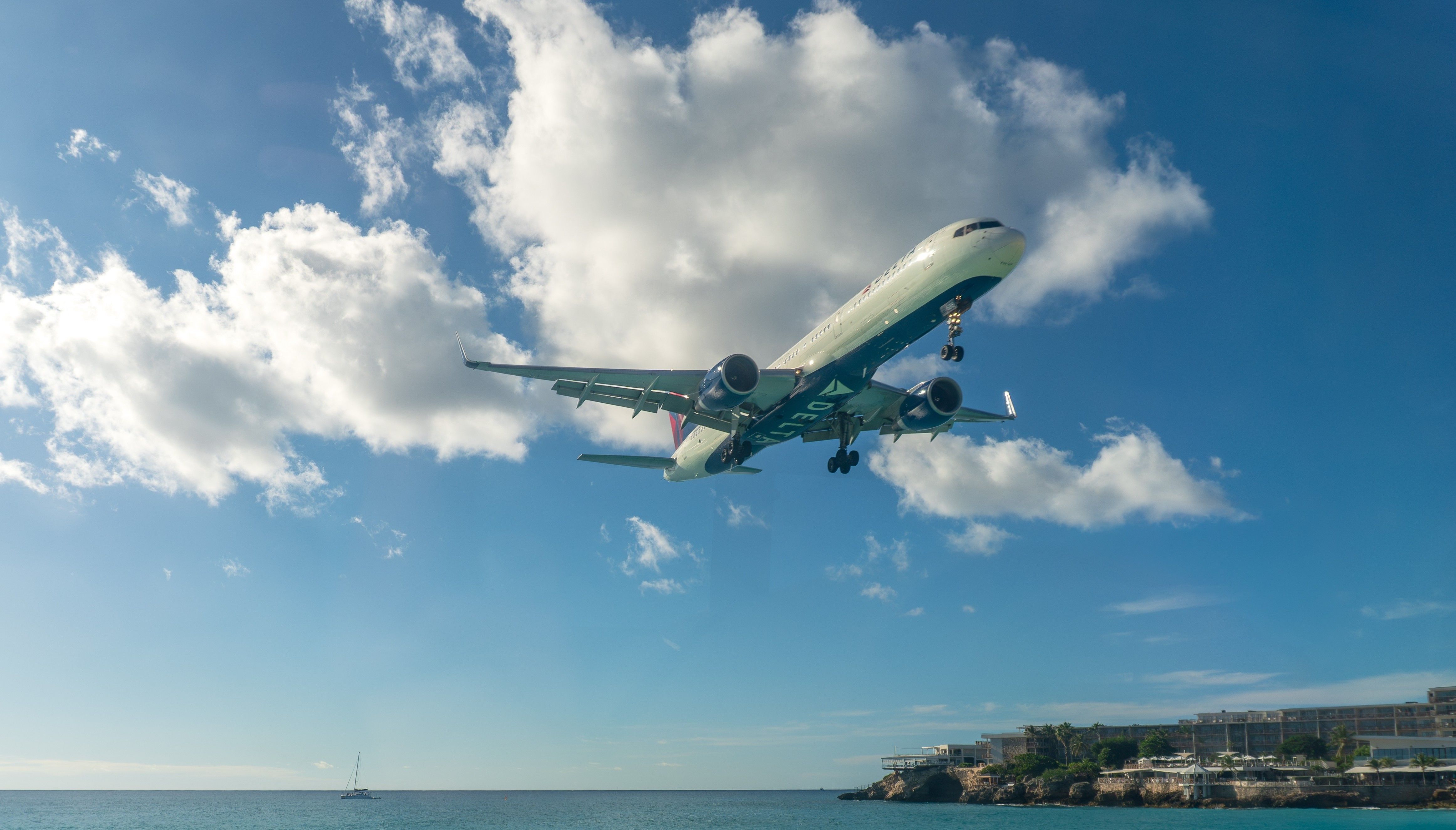
Five days earlier, two Delta flights from New York to Israel received a bomb threat; no suspicious object was found on either flight. The threat against the first flight caused it to land in an isolated compound at Ben Gurion Airport.

Ready for more?

Join our newsletter to receive updates on new articles and exclusive content.

We respect your privacy and will never share your information.

Enjoyed this article?

Yes
No
Follow Us:

Unmissable content


Loading comments...

Also of Interest