TACO OR RAMBO

What's Happening Inside Trump's Head in an Unexpected Crisis

U.S. President Donald Trump sparks global uncertainty following a series of conflicting statements regarding the ongoing military confrontation with Iran

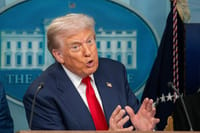
President Trump
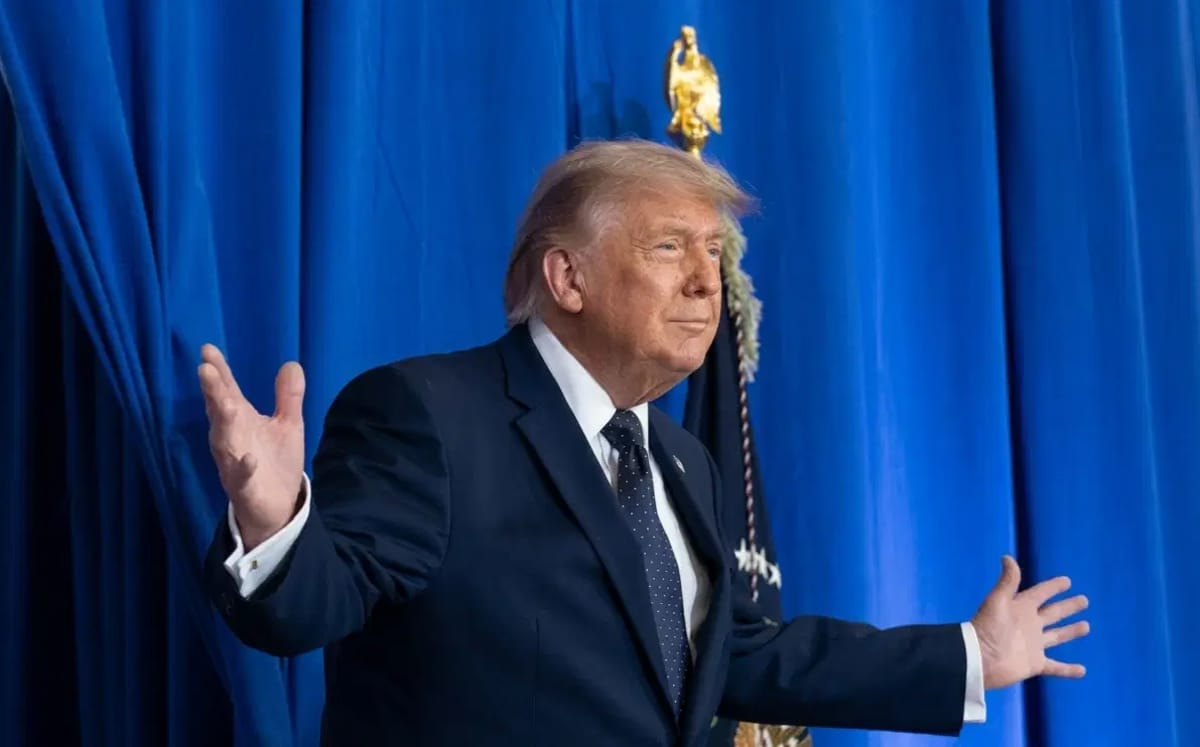
President Trump (Photo: Shutterstock )

In a series of dramatic statements, president Trump announced that the United States will declare "total victory" over the Iranian regime within two weeks, promising a subsequent collapse in global oil prices.

"Iran will not have a nuclear weapon, and that is literal. They must not have them," Trump declared. "The destruction is so immense; they must not have nuclear weapons. I think we are winning this campaign, but the real victory will be achieved over the next two weeks when we declare total victory."

However, the president’s sudden optimism stands in stark contrast to recent U.S. military action in Iran following the downing of an American helicopter near the Strait of Hormuz, raising critical questions about the administration's long-term strategy.

From Tweets to Tomahawks: A Shift in Rhetoric

The timeline of the President's public statements highlights a stark shift in the administration's posture before and after the recent escalation in the Persian Gulf.

Before the U.S. military helicopter was downed, presidential communications focused largely on maximum economic pressure and deterrence. However, following the incident and the subsequent order to launch retaliatory strikes inside Iran, the rhetoric has taken a more volatile turn.
Trump took to his social media platform to post a notable quote from the fictional television drama The West Wing. In the cited episode, fictional President Jed Bartlet questions his cabinet about the utility of a "proportional response", demanding instead that U.S. adversaries face total destruction for harming Americans.

The inclusion of this pop-culture reference amidst a real-world nuclear crisis has prompted observers to question the predictability of the administration's decision-making process. The conflicting signals, ranging from promises of imminent diplomatic victory to quotes advocating for total warfare, leave international allies and global markets in an unpredictable holding pattern.

The Oil Market & Regional Security

Despite the underlying tensions, Trump forecast that the conclusion of the standoff would yield massive global economic benefits.

"This will happen very soon, and oil prices will drop dramatically," Trump promised, directly linking the geopolitical pressure on Tehran to broader macroeconomic relief.

When questioned by British broadcaster Sky News on whether the U.S. would support Israeli Prime Minister Benjamin Netanyahu should Israel choose to re-engage in military conflict with Iran, Trump expressed skepticism that further escalation would occur.

"I don't think that's going to happen. Everything is working out very well," Trump said. "Iran is doing what it needs to do; I don't think it's going to happen."

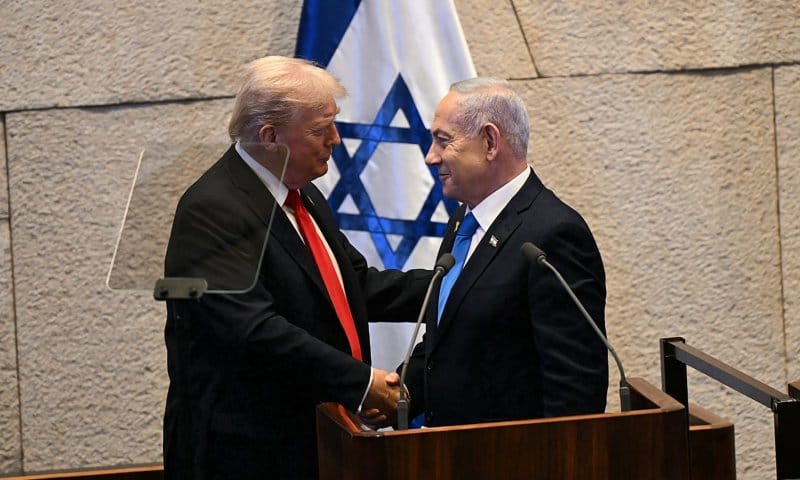
President Donald Trump and Israeli PM Benjamin Netanyahu
President Donald Trump and Israeli PM Benjamin Netanyahu (Photo: Haim Tsach/Government Press Office)

Strained Relations with Jerusalem

The president's dismissive stance on future conflict comes amid reported friction between Washington and Jerusalem.

In Israel, critics have expressed growing concern over what they perceive as Washington's detachment from immediate regional threats. Local analysts have pointed specifically to the administration's apparent indifference regarding continuous Hezbollah rocket fire into northern Israel.

Trump's assertion that "everything is working out very well" has drawn sharp criticism from Israeli officials who view the ongoing northern border escalation as an active, unresolved crisis that requires firmer U.S. backing.

Satirical Pushback from the Israeli Right

The growing Israeli frustration over the administration's foreign policy has spilled over into mainstream media commentary, highlighted by a notable visual response from the religious-Zionist news website Srugim.

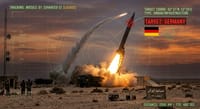
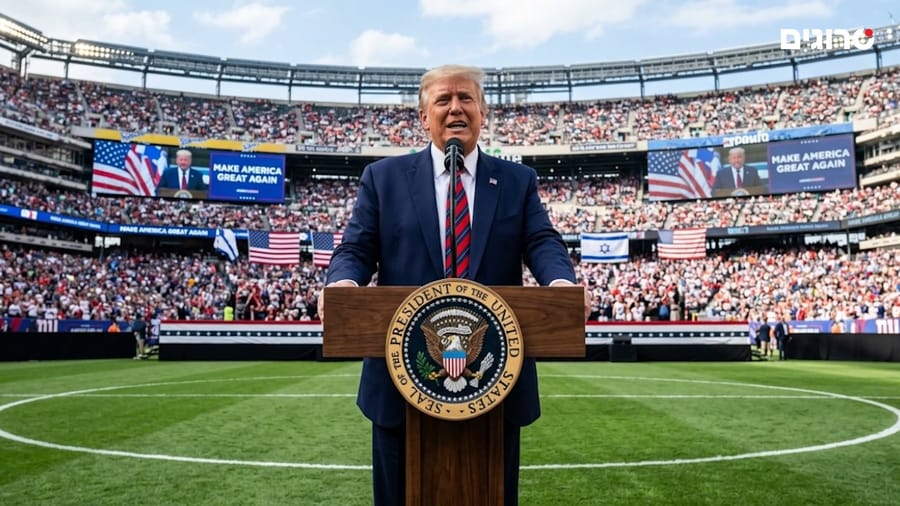
In a special broadcast of the daily video segment "The Red Point," host Ariel Sharfer addressed President Trump directly regarding his perceived regional complacency. The satirical video features a "pointed warning" to the White House, with Sharfer arguing that if Trump does not swiftly reaffirm his traditional alignment with Israel, he risks alienating a critical segment of his support base, heavily jeopardizing his party's fortunes in the upcoming U.S. midterm elections.

the red dot special english edition. srugim studio (Photo: A.I Illustration)
Ready for more?

Join our newsletter to receive updates on new articles and exclusive content.

We respect your privacy and will never share your information.