Unusual Incident
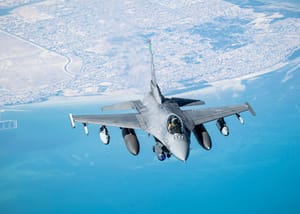
US F-16 Crashes in Germany, Pilot Survives
•news-world


Comprehensive coverage of United States Air Force operations, personnel, technology, and strategic developments in global military affairs
The United States Air Force (USAF) is the aerial and space warfare service branch of the United States Armed Forces, and one of the eight uniformed services of the United States. Established as an independent military branch on September 18, 1947, the Air Force operates as a critical component of American military power, responsible for air superiority, global strike capabilities, rapid global mobility, intelligence gathering, and space operations. With approximately 330,000 active-duty personnel, 140,000 civilian employees, and 70,000 reserve airmen, the USAF maintains the world's most technologically advanced air force.
The Air Force's mission encompasses defending the United States through control and exploitation of air, space, and cyberspace. Operating from bases across the United States and around the world, the service maintains a diverse fleet of aircraft including fighter jets, bombers, transport aircraft, tankers, and reconnaissance platforms. The USAF plays a vital role in joint military operations, providing air support, strategic bombing capabilities, airlift services, and aerial refueling to support ground and naval forces in theaters of operation worldwide.
Modern Air Force operations reflect evolving global security challenges and technological advancement. The service continues to modernize its fleet with next-generation aircraft such as the F-35 Lightning II fighter, the B-21 Raider stealth bomber, and advanced unmanned aerial systems. These platforms incorporate cutting-edge technologies including stealth capabilities, advanced sensors, artificial intelligence, and network-centric warfare systems that enhance the Air Force's ability to operate in contested environments.
The organizational structure of the Air Force includes major commands responsible for specific mission areas, including Air Combat Command, Air Mobility Command, Air Force Global Strike Command, Air Force Space Command, and Air Education and Training Command. Each command oversees specialized units and capabilities that contribute to the overall mission of air and space superiority. The Air Force also maintains a significant presence in joint operations, working closely with the Army, Navy, Marine Corps, and allied forces.
Personnel development and training remain central to Air Force operations, with comprehensive programs for officer and enlisted members. The United States Air Force Academy in Colorado Springs produces commissioned officers, while specialized training centers across the country prepare airmen for technical roles ranging from pilots and navigators to cyber warfare specialists and maintenance technicians. The service emphasizes continuous professional development and technological proficiency to maintain operational readiness.
Strategic initiatives within the Air Force focus on great power competition, particularly addressing challenges posed by near-peer adversaries. This includes investments in advanced technologies, enhanced readiness, improved infrastructure, and strengthened partnerships with allied nations. The Air Force participates in multinational exercises, security cooperation programs, and combined operations that reinforce collective defense commitments and interoperability with partner air forces.
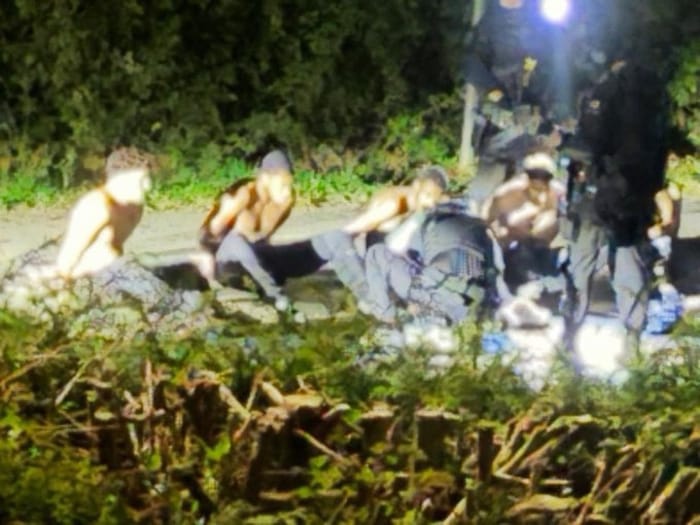
British Prime Minister reveals investigation into attempted strike on RAF Fairford, which hosts American B-1 bombers, points to Iranian regime involvement
Unusual Incident
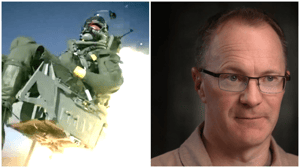
0.1 Seconds From Death

New York
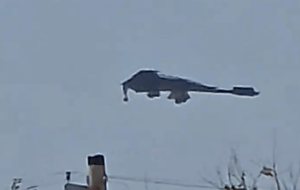
Unusual Sighting
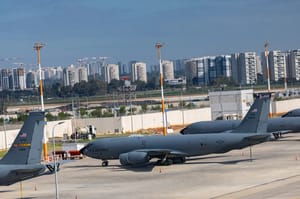
Pentagon Pulls Tanker Aircraft
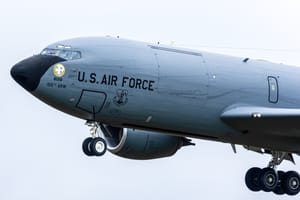
Transatlantic Return Completed
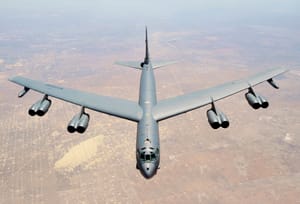
war looms large
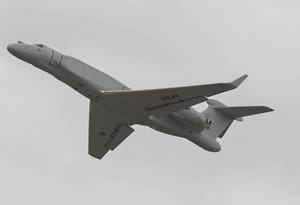
Advanced Electronic Attack Aircraft
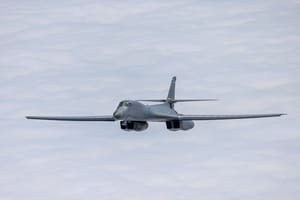
Heavy Strike Capability Mobilized:
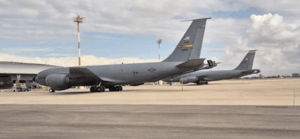
Tarmac Standoff

TACO OR RAMBO
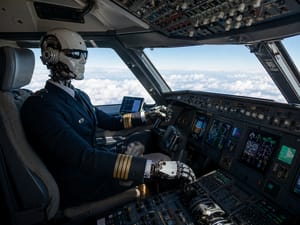
GPT with wings
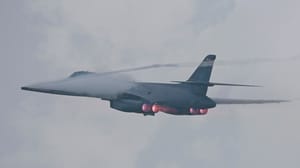
Leave no one behind
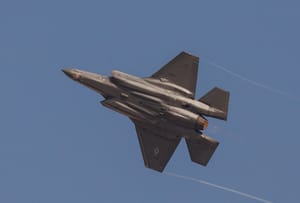
Mid-Air Crisis
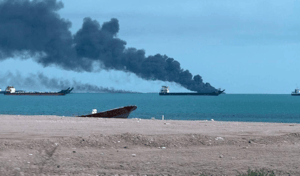
Roaring Lion
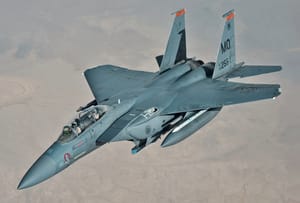
What is Trump waiting for?
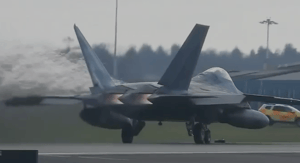
First Known Combat Deployment to Israeli Soil
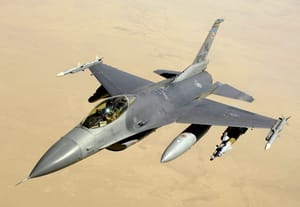
Nearly there
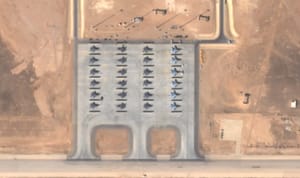
Locked and loaded