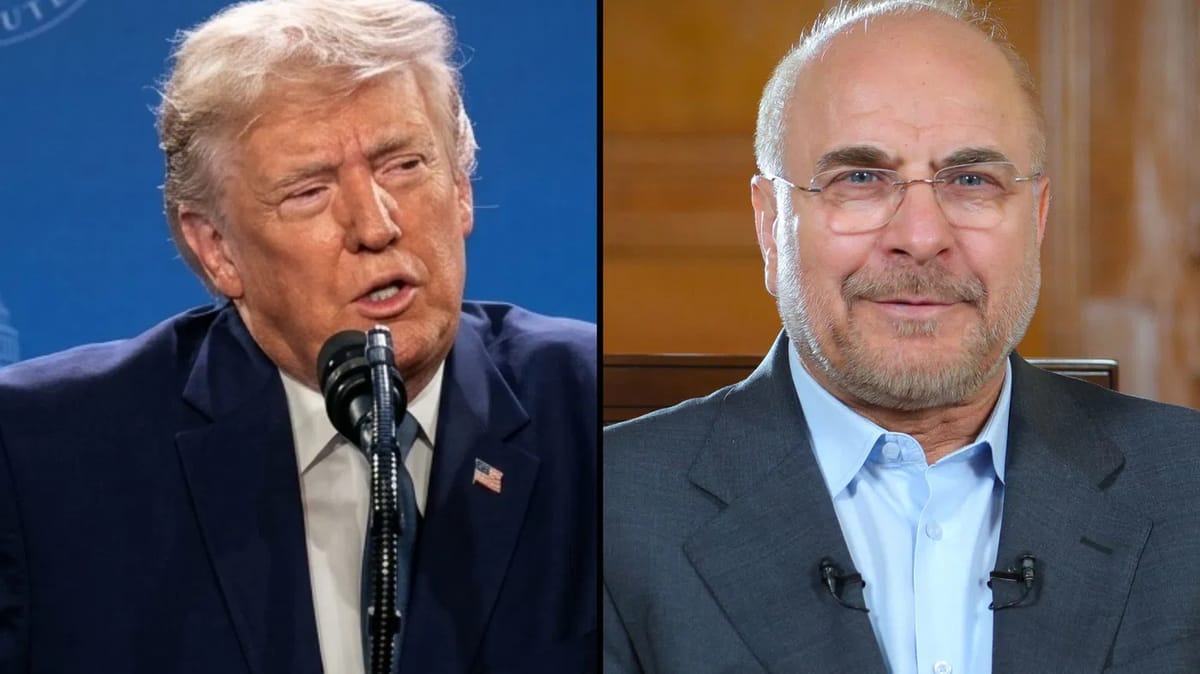
In a dramatic shift following days of escalating threats, the United States and Iran have reached an "agreement in principle" to extend their fragile ceasefire. The move aims to provide a critical window for diplomacy as mediators scramble to resolve the core disputes fueling the weeks-long conflict.
Regional sources told the Associated Press that the extension is intended to push the current deadline beyond April 22, likely adding at least two more weeks to the truce. This development follows President Trump’s recent optimistic assessment that the war could end "very soon."
The Three Pillars of Conflict
Despite the agreement to keep talking, mediators from Pakistan and other regional powers are facing a "tall order" in bridging gaps on three non-negotiable friction points:
- Nuclear Program: Iran's path to a nuclear weapon remains Washington's primary "red line."
- The Strait of Hormuz: Control over the strategic waterway and the legality of the current U.S. blockade.
- Wartime Compensation: Demands for reparations regarding infrastructure damage sustained during the latest wave of strikes.
Iranian Foreign Ministry spokesperson Esmaeil Baghaei confirmed that "indirect exchanges" with the U.S. have been continuous since direct talks in Islamabad concluded last Sunday.
Tensions Flare Over Maritime Blockade
The diplomatic progress stands in stark contrast to the volatile situation at sea. Earlier today, the Islamic Revolutionary Guard Corps (IRGC) issued a defiant ultimatum, warning that they will block all imports and exports in the Persian Gulf, the Gulf of Oman, and the Red Sea if the U.S. blockade on Iranian vessels continues.
"The ongoing naval blockade... will be a prelude to the violation of the ceasefire," an Iranian military commander stated, asserting that Tehran will take "decisive steps" to protect its sovereignty.
While U.S. officials maintain the blockade is fully enforced, Iranian state media (Fars News) claimed today that a merchant vessel carrying food successfully bypassed the embargo and is heading toward Bandar Imam Khomeini, mocking U.S. claims of a "total" maritime seal.
The Military "Reserve Capacity"
The U.S. is not leaving the outcome solely to diplomats. As previously reported, the Pentagon is currently surging 10,000 additional troops, including the USS George H.W. Bush strike group and the Boxer Amphibious Ready Group, to the region.
According to the Washington Post, the administration is keeping these forces in place to facilitate immediate strikes or potential ground operations should the ceasefire fail.