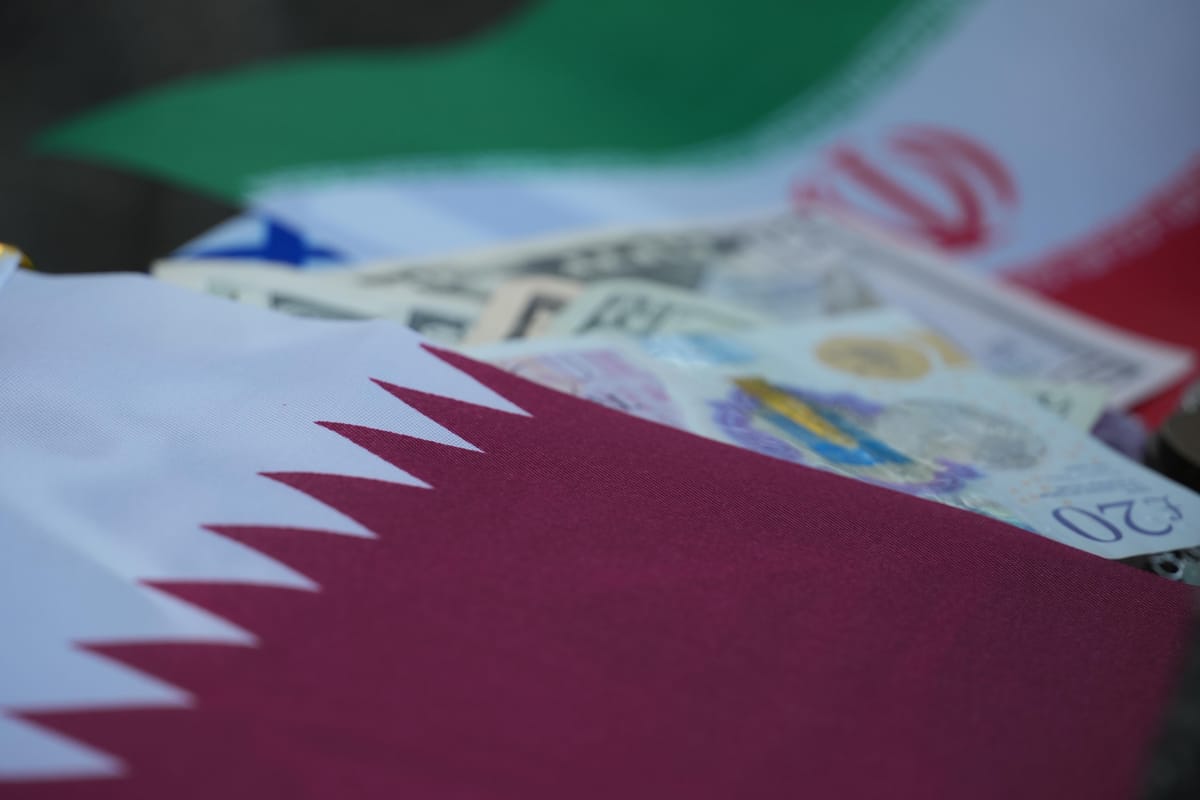
As indirect US-Iran talks continue under Qatari mediation, frozen Iranian financial assets, particularly approximately $12 billion held in Qatar, have solidified as the last major point of contention blocking progress toward an initial Memorandum of Understanding (MoU).
Iranian negotiators are insisting on immediate, guaranteed access to this $12 billion tranche as a strict precondition before any preliminary diplomatic framework can advance. Sources describe this as only the first installment, with Tehran seeking broader unfreezing of tens of billions more in frozen assets worldwide as part of a fuller agreement.
These funds largely trace back to restricted Iranian oil revenues, including portions transferred to Qatar under the 2023 prisoner swap (later re-frozen after October 7, 2023, and subsequent escalations). Recent high-level Iranian visits to Doha, including by Parliament Speaker Mohammad Bagher Ghalibaf and Foreign Minister Abbas Araghchi, focused heavily on securing operational mechanisms for rapid access.
Qatar has categorically denied reports suggesting it offered or would front $12 billion to Iran as an interim bridge (potentially with later US reimbursement). Qatari Foreign Ministry spokesperson Majed Al Ansari called the claims “utterly baseless,” attributing them to parties attempting to sabotage diplomatic efforts and undermine Qatar’s role as a trusted mediator.
This denial effectively grounds speculation of a quick Qatari-funded workaround, leaving the onus on direct US-Iran arrangements regarding the existing frozen sums in Doha banks.
Broader discussions also encompass reopening the Strait of Hormuz, handling Iran’s remaining enriched uranium stockpile, sanctions relief, and a possible 30-60 day implementation window. US officials, including President Trump, have stressed a cautious approach, with emphasis on verifiable Iranian concessions before significant financial relief.
For Israel and the Jewish community, the stakes are high. Any substantial release of funds carries the risk of bolstering Iran’s economy, military capabilities, and terror proxies, even if designated for “humanitarian” use. Historical patterns following past sanctions relief have raised serious concerns about diversion and continued regional destabilization.
Talks remain highly fluid amid deep skepticism from hardliners on multiple sides.