American airstrikes on Iran are not imminent as the Pentagon focuses on reinforcing air defenses across the Middle East to shield Israel, Arab partners and U.S. forces from potential Iranian counterattacks, according to U.S. officials.
While the military could carry out limited strikes if ordered immediately, a more substantial operation would likely trigger a forceful Iranian response, officials said. That has made strengthening protective measures the priority.
The U.S. is deploying an additional Terminal High Altitude Area Defense (THAAD) battery and Patriot air-defense systems to bases in Jordan, Kuwait, Bahrain, Saudi Arabia and Qatar. These join existing destroyer-based defenses capable of intercepting missiles, drones and other aerial threats.
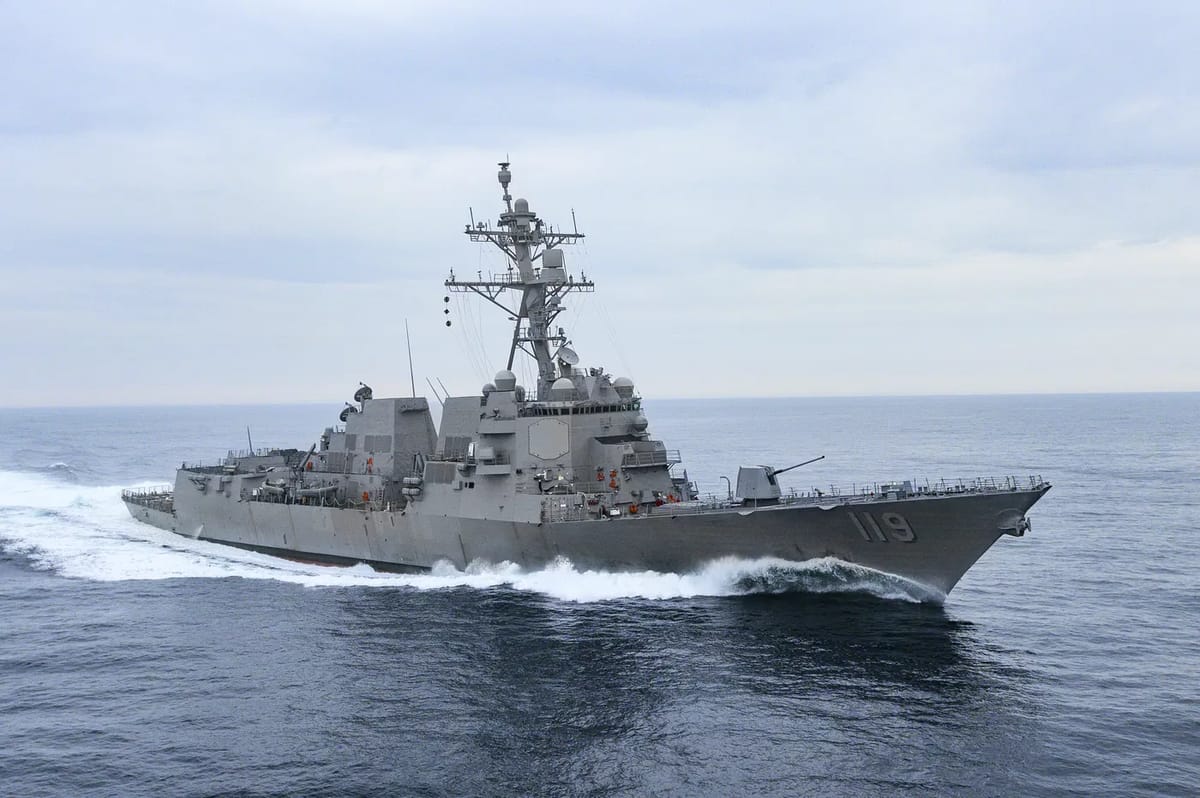
THAAD targets high-altitude ballistic missiles, while Patriots handle lower-altitude threats. The military has also positioned three squadrons of F-15E fighters in Jordan for drone interception and maintains eight Navy guided-missile destroyers in the region. F-35 jets are being repositioned closer to the area.
The Pentagon has ramped up interceptor production, though officials acknowledged this won't significantly affect near-term readiness.
President Trump hasn't publicly detailed his objectives regarding Iran. Gulf allies including Saudi Arabia and the United Arab Emirates have stated they won't permit U.S. use of their airspace or territory for attacks on Iran, while preparing their own defenses. Saudi Arabia is acquiring seven THAAD batteries. The restrictions limit U.S. options and could shield those countries from direct Iranian reprisals.
The U.S. previously assisted Israel's defense against Iranian missiles in June 2025. American forces conducted "Midnight Hammer" strikes on three Iranian nuclear sites using B-2 bombers and submarine-launched missiles. Iran retaliated with a missile attack on Al Udeid Air Base in Qatar that was largely intercepted by Patriots, causing limited damage.
Defense analysts suggest Iran could respond to future strikes with ballistic missiles, proxy groups such as Yemen's Houthis and Shiite militias, and tactics adapted from previous U.S. and Israeli operations including "Rising Lion."
The assessment comes as Trump recently indicated Iran is engaged in "serious" negotiations, even as the U.S. maintains its military buildup in the region.