Tonight (Sunday evening) marks the beginning of Tu B'Shevat, the Jewish New Year for Trees, and it's time to prepare your dried fruits. But what's it really all about?
At the heart of Tu B'Shevat stands a deep love for the Land of Israel and its landscape. According to the Mishnah, on the 15th of the month of Shevat we mark the New Year for trees.
On this day, a new year begins for the purposes of tithes and offerings, the portion of the harvest that farmers set aside and give to educators, spiritual leaders, and the poor. This strengthened the connection between different parts of the nation in the Land of Israel. After the destruction of the Temple, the Jewish people were exiled from the land.
Since Tu B'Shevat is not a Torah holiday but rather a Mishnaic one, it has no fixed halachic customs, and can be celebrated in various ways. Here are some special traditions you can choose from.
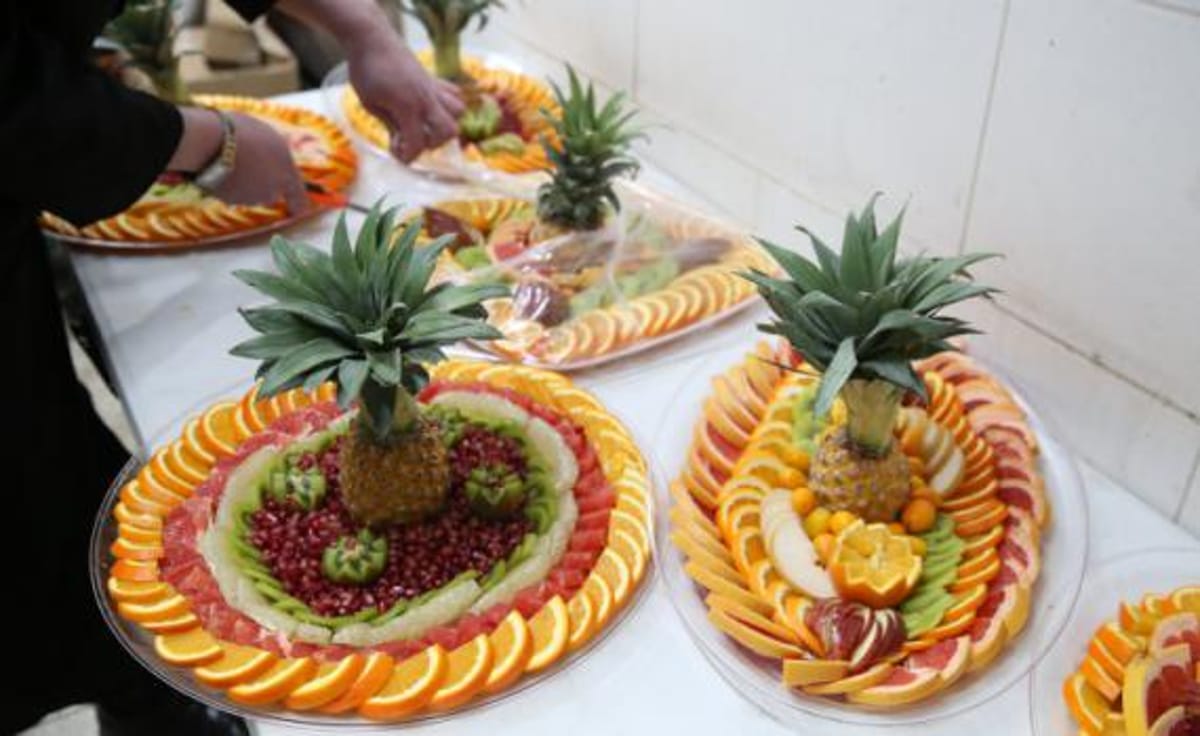
The Tu B'Shevat Seder is a ceremonial meal based on "Tikkun Pri Etz Hadar" (Repair of the Fruit of the Goodly Tree), which developed in Safed about 500 years ago. It includes eating fruits, drinking wine, and reading praises of the Land of Israel. Customs vary by community, Middle Eastern and Balkan communities traditionally hold elaborate seders, while Ashkenazi communities focus mainly on eating many fruits.
The journey begins in the Sephardic and Middle Eastern communities, where the Tu B'Shevat Seder as we know it today was actually born. Influenced by the Kabbalists, Jews from Turkey, the Balkans, and North Africa set a festive table with the "Seder Pri Etz Hadar." The Sephardic custom emphasizes eating the seven species in a specific hierarchical order, with the highlight being the blessing over fruits that the Land of Israel is praised for.
In contrast, Ashkenazi communities celebrated Tu B'Shevat in a somewhat different tone. In cold Europe, fresh fruits from the Land of Israel were like a distant dream, so the "bokser," the carob, became the hero of the holiday. Carob was almost the only fruit that could survive the long journey from the Middle East to Europe without rotting, and so for the Jews of Poland and Russia it symbolized the unbreakable connection to the soil of the Land.
One of the most well-known customs is to hold an "Amen meal." Six foods are brought to the table, one from each type of blessing, and participants take turns selecting a food and reciting its blessing while everyone responds "Amen" together. The goal is to say "Amen" as many times as possible, as this is considered a great merit.
The order of blessings in the Amen meal is:
1. Borei minei mezonot (on baked goods from flour that aren't bread)
2. Borei pri hagafen (on grape juice or wine)
3. Borei pri ha'etz (on tree fruits)
4. Borei pri ha'adamah (on vegetables)
5. Shehakol nihyeh bidvaro (on snacks, sweets, drinks, meat, fish, desserts)
6. Hamotzi lechem min ha'aretz (on bread)
It's wonderful to involve children in the seder, it connects them to religious customs and even sparks curiosity to taste new fruits.