Ceasefire on the Brink

Trump and Iran Trade Threats - and Missiles 

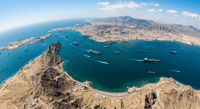
 US warplanes struck Iranian military sites at the Strait of Hormuz after Iran hit a Panama-flagged tanker. Iran fired back at US bases in Bahrain and Kuwait. 

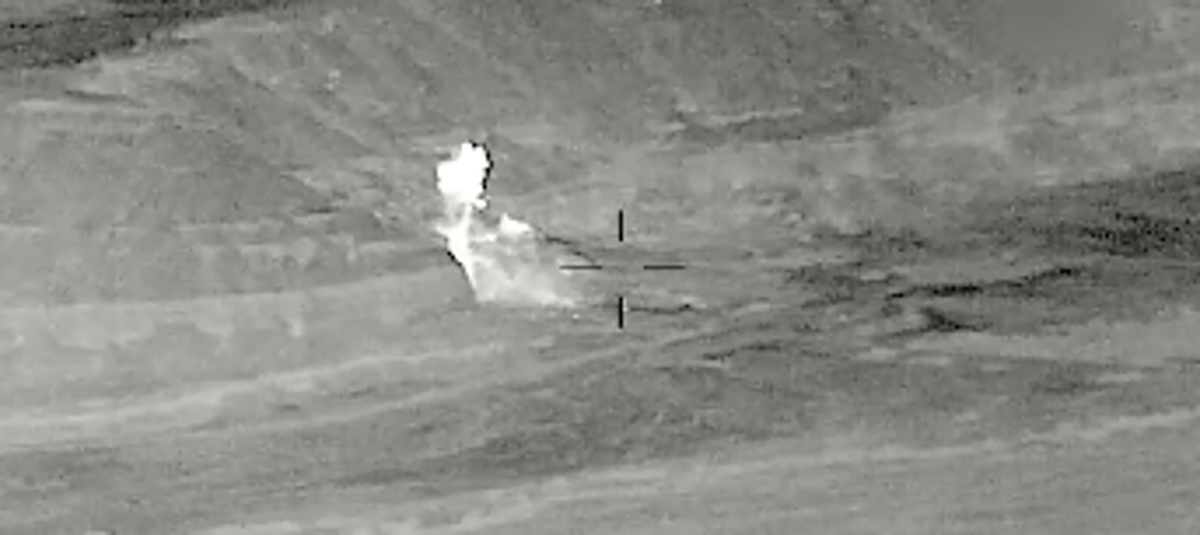
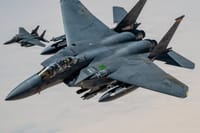
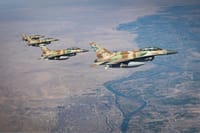
U.S. Navy and Air Force fighter jets conducted strikes tonight on 10 Iranian military targets at multiple locations in and near the Strait of Hormuz

The Islamabad Memorandum of Understanding appears to be collapsing in real time.

Overnight Saturday into Sunday, the United States and Iran traded direct military blows for the second time since signing the ceasefire framework less than two weeks ago, in what is fast becoming a cycle of retaliation that neither side appears willing or able to stop.

The immediate trigger was an Iranian drone strike on the M/T Kiku, a Panama-flagged crude oil tanker carrying Qatari oil through the Strait of Hormuz en route to the port of Fujairah in the United Arab Emirates. CENTCOM said the Iranian attack drone struck the vessel at 4:30 a.m. Eastern time Saturday. It was the second tanker hit in the strait in three days, following last Thursday's drone strike on the Singapore-flagged M/V Ever Lovely.

In response, the US military launched strikes on Iranian targets in the region, hitting military surveillance infrastructure, communication systems, air defense sites, drone storage facilities, and minelayer capabilities, according to a CENTCOM statement. The command said it struck ten military targets in and around the strait, including radar installations, air defense batteries, and facilities used to store drones and lay naval mines.

"Iran was given a chance to honor the ceasefire agreement but elected not to," CENTCOM said.

Ready for more?

Trump responded by threatening to "militarily complete the job" if Iran doesn't stop striking, calling the Iranian attacks a violation of the ceasefire "again." In a post that echoed his previous ultimatum from earlier in the conflict, Trump wrote that Iran "may very well cease to exist" if Washington is forced to escalate further.

Iran did not absorb the strikes quietly. The IRGC confirmed it launched joint missile and drone attacks targeting US military sites in Kuwait and Bahrain in response, warning that violating the ceasefire constitutes a breach of Article 1 of the Islamabad Understanding and would result in a complete halt of all diplomatic tracks. Kuwait reported early Sunday that its air defenses were intercepting attacks, while Bahrain activated sirens and directed residents to shelter in place. A US official told reporters there were no American casualties and no major damage to US facilities.

The IRGC Navy separately threatened that American bases across the region would "experience hell in the coming days."
Both sides are pointing fingers at the other over who fired first in a broader sense. Iran's parliament security commission chief Ebrahim Azizi said the US "attacked Iran in the middle of negotiations once again," calling Trump a "failed president" with no commitment to ceasefire principles. The IRGC, for its part, argued that the tanker had traveled through an "unauthorized route" in the strait, claiming US actions violated Article 5 of the Islamabad MOU, which assigns Iran responsibility for regulating Hormuz passage.

Vice President JD Vance pushed back sharply, writing on X: "Iran signed a ceasefire agreement. We have honored it. If they have disagreements about how the MOU is being applied, they can pick up the phone. But violence will be met with violence."

The broader context makes Sunday's exchanges especially alarming. Trump and Iranian President Masoud Pezeshkian signed the Islamabad Memorandum of Understanding on June 17, intending to develop a permanent peace deal and restore commercial shipping through the strait. US and Iranian delegations had traveled to Switzerland's Bürgenstock resort just days ago to continue those talks. The flurry of attacks this weekend strains that initial agreement, which was designed to expand on the ceasefire and restore traffic through the Strait of Hormuz.

Kuwait's Foreign Ministry condemned Iran's targeting of Bahrain as "a dangerous undermining of endeavors for peace and stability, and a threat to the security and stability of the region." Gulf Cooperation Council foreign ministers had met with Secretary of State Marco Rubio in Bahrain just days earlier.

The pattern is now familiar: a tanker gets hit, the US retaliates against Iranian military infrastructure, Iran fires at Gulf states hosting American forces, and both sides declare the other to be the ceasefire violator. The question as of Sunday morning is whether the diplomatic track, still technically alive in Switzerland, survives another round.

Ready for more?

Join our newsletter to receive updates on new articles and exclusive content.

We respect your privacy and will never share your information.

Enjoyed this article?

Yes (41)
No (2)
Follow Us:

Unmissable content


Loading comments...

Also of Interest