Tehran's Red Line

Iran Warns Against Israeli Overflights in Region

Tehran's Khatam al-Anbiya command declares Israeli military flights over neighboring states a 'dangerous threat' • Warning comes as Rubio hardens U.S. stance during Gulf tour | Escalation fears mount (World News)

Iran vs Israel

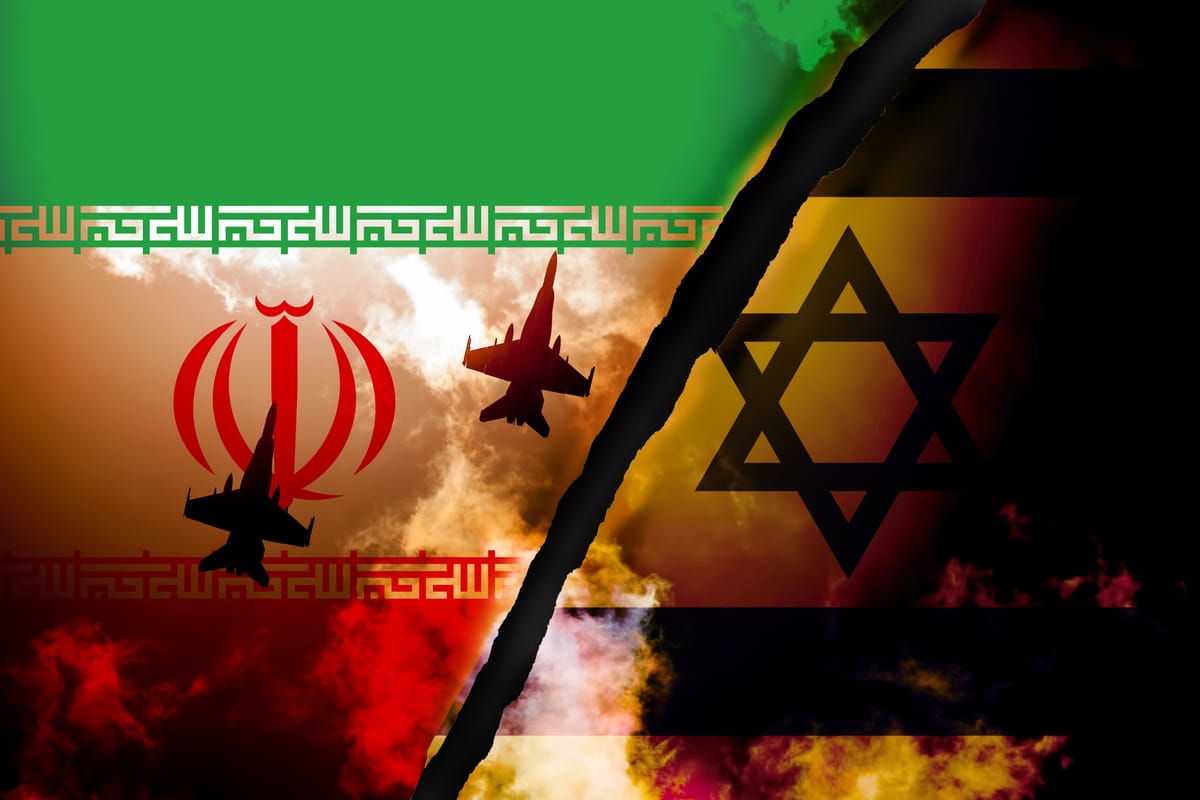
Iran's Khatam al-Anbiya military headquarters issued an unusually direct warning Friday, threatening to respond if Israeli military aircraft continue using the airspace of regional states on routes toward Iranian territory — a move that signals Tehran's growing concern over potential Israeli strike capabilities despite ongoing ceasefire negotiations.

The statement from the command structure overseeing Iran's armed forces declared that "the movement and presence of military aircraft from the Zionist regime's army in the skies of some neighboring countries toward Iran" constitutes "a dangerous move and a threat against the Islamic Republic of Iran."

The warning carried an implicit rebuke to Washington, stating that "if the United States is unable to restrain and control the Zionist regime, the Islamic Republic will not tolerate any threat against it, and considers itself entitled to respond to these dangerous steps."


The timing of Iran's statement is particularly significant. It comes as Secretary of State Marco Rubio concluded a three-day Gulf tour during which he openly contradicted President Trump's recent praise of Iran's new leadership, calling them "crazy Islamists" and hardening U.S. positions on multiple fronts including the Strait of Hormuz and Iranian proxy forces.

Rubio's Gulf swing through the UAE, Kuwait, and Bahrain sought to reassure American allies who absorbed heavy Iranian missile and drone fire during more than 100 days of conflict. The UAE alone was struck by approximately 2,800 missiles and drones, while Kuwait's critical infrastructure and Qatar's gas facilities suffered significant damage.

Iran's Foreign Ministry separately condemned a joint statement issued by the United States and Gulf states following Rubio's visit, characterizing it as "provocative." Tehran called on Gulf nations to "reconsider their security reliance on the United States," suggesting the warning reflects broader Iranian concerns about regional military coordination against its interests.

Marco Rubio
Marco Rubio

The Iranian warning appears designed to complicate Israeli operational planning by putting regional states on notice that allowing Israeli overflights could draw them into direct confrontation with Tehran. Several Gulf states have quietly expanded security cooperation with Israel in recent years, though most maintain official policies of non-recognition.

The statement comes against a backdrop of escalating regional tensions. Just this week, a Wall Street Journal investigation revealed that Iranian strikes inflicted $400 million in damage to the U.S. Navy's primary Middle East headquarters in Bahrain — far more extensive destruction than Washington had previously acknowledged.

Iran's increasingly assertive posture reflects what analysts describe as Tehran's attempt to establish deterrence through public warnings while simultaneously engaging in indirect negotiations.

While Vice President JD Vance recently announced that Washington and Tehran had agreed to establish a direct communication channel between U.S. Central Command and the Islamic Revolutionary Guard Corps, Friday's statement suggests Iran remains prepared to escalate if it perceives threats to its core security interests.

Ready for more?

Join our newsletter to receive updates on new articles and exclusive content.

We respect your privacy and will never share your information.

Enjoyed this article?

Yes (22)
No (1)
Follow Us:
1

Unmissable content


Loading comments...

Also of Interest