In one of the most complex and daring search-and-rescue missions in modern U.S. military history, American special operations forces successfully extracted a downed U.S. Air Force F-15E Strike Eagle weapons systems officer (navigator) from deep inside Iranian territory early Sunday morning, April 5, 2026.
President Donald Trump confirmed the operation’s success just after midnight via Truth Social, declaring: “WE GOT HIM! My fellow Americans, over the past several hours, the United States Military pulled off one of the most daring Search and Rescue Operations in U.S. History, for one of our incredible Crew Member Officers, who also happens to be a highly respected Colonel, and who I am thrilled to let you know is now SAFE and SOUND!”
The navigator, whose name remains classified for operational security, had been evading Iranian pursuit for more than 24 hours after ejecting from his stricken fighter jet over southwest Iran on Friday, April 3. He is reported to be stable, receiving medical treatment in Kuwait, and expected to make a full recovery.
Timeline of the Shoot-Down and Initial Evasion
The incident began Friday when Iranian air defenses downed the F-15E Strike Eagle, the first confirmed loss of a U.S. combat aircraft to Iranian forces in the current conflict. Both the pilot and the weapons systems officer ejected safely. The pilot was rescued in a separate, earlier operation late Friday or early Saturday.
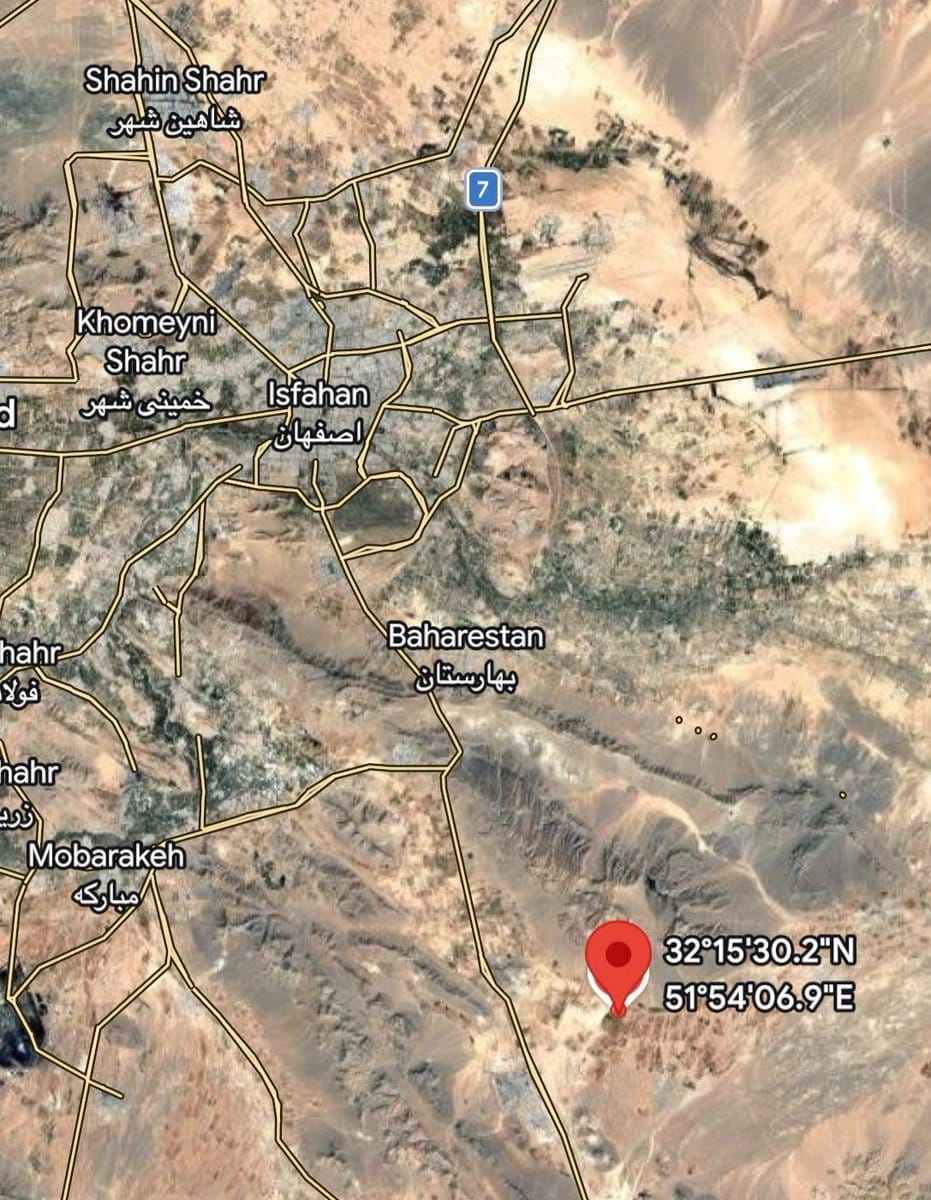
The navigator landed in rugged, mountainous terrain thousands of feet above sea level in a region described as “treacherous” by U.S. officials. Injured but still mobile, he immediately went into evasion mode. According to detailed accounts from senior U.S. officials and multiple corroborated reports, he hid in a mountain crevice and later hiked up a 7,000-foot ridgeline while carrying only a sidearm, a survival beacon, and a secure communications device. He used the comms equipment sparingly to avoid detection by Iranian electronic warfare units that were actively hunting him.
U.S. intelligence assets maintained continuous, 24-hour monitoring of his location. Iranian ground forces, including Revolutionary Guard units, launched an intensive manhunt, scouring villages, offering rewards to locals for information, and deploying convoys into the area. Some reporting indicates the navigator may have received limited assistance from residents in a region known for anti-regime sentiment, though U.S. officials have not publicly confirmed this detail.
The Rescue: A “Life-or-Death Race” Involving Hundreds of Personnel
U.S. Central Command designated the navigator’s recovery as the absolute top priority. What followed was a nearly 36-hour operation involving hundreds of U.S. special operations troops, dozens of warplanes, helicopters, cyber and space assets, and a sophisticated deception campaign run in part by the CIA to mislead Iranian forces about the navigator’s exact position and condition.
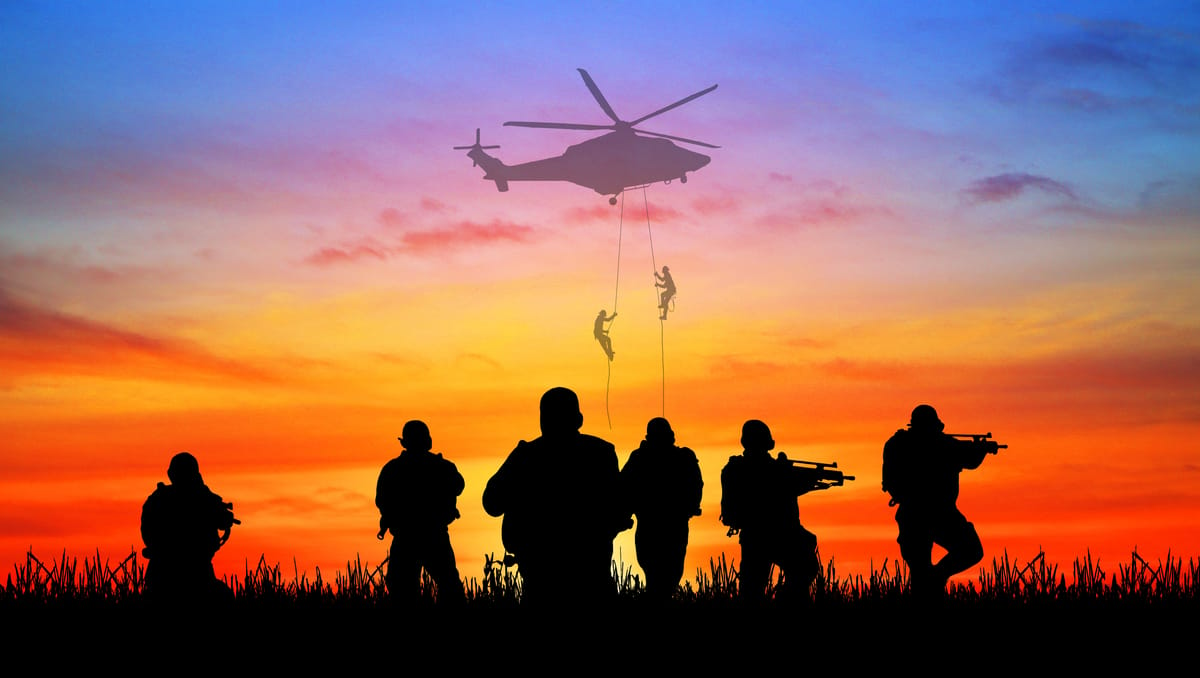
Multiple sources describe the extraction force as including elite Navy SEAL Team 6 commandos. The operation peaked Saturday night into early Sunday, April 5. U.S. attack aircraft provided close air support, repeatedly striking Iranian military convoys and ground units attempting to close in on the navigator’s location. Reports indicate at least one significant firefight occurred during the final phase of the rescue.
Once commandos reached the navigator, he was moved to a temporary landing zone inside Iran. Three evacuation aircraft were ultimately required after two initial transport planes experienced mechanical failures at a remote forward base; those disabled aircraft were deliberately destroyed on the ground to prevent capture. All U.S. personnel and aircraft successfully exfiltrated Iranian airspace without additional losses.