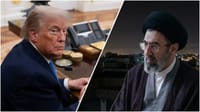
Less than 24 hours after the ink dried on the U.S.-Iran Memorandum of Understanding, the follow-on talks have already stalled, with both sides citing separate reasons — and Israel's continued military operations in Lebanon at the center of the crisis.
The White House confirmed Thursday night that Vice President JD Vance would not be departing for Switzerland as planned to lead the first round of technical negotiations with Iran on implementing the newly signed MOU.
Vance had told reporters earlier Thursday that he expected the technical talks to begin "sometime this weekend" and that he would travel to Switzerland for them. But the White House said Thursday night that he would not be departing, with a spokesperson saying the plans had not been finalized.
"The U.S. delegation has been prepared to depart at the first available opportunity. But the logistics of these negotiations have never been simple or predictable," the White House statement read. "As of now the Vice President is not departing tonight. We will let you know as soon as we have a concrete update about next steps."
Washington framed the delay as a logistical issue. Tehran told a different story.
The White House announcement followed a report from Al-Mayadeen, a pan-Arab satellite network politically allied with Hezbollah, that Iran was delaying sending its own delegation to Switzerland over Israel's ongoing military campaign in Lebanon.
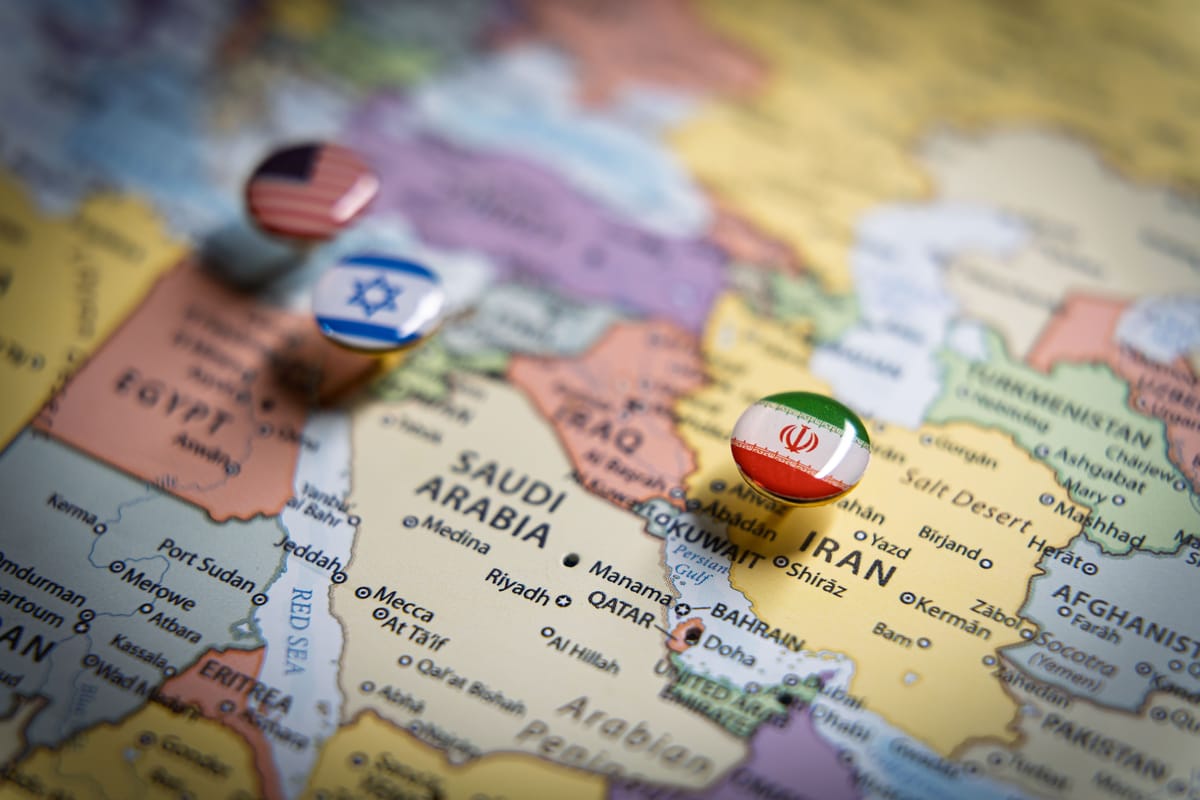
The timing exposed the structural flaw at the heart of the MOU the moment it was signed: the deal requires an end to fighting on all fronts, including Lebanon, but Israel is not a party to it and has consistently held that its operations against Hezbollah are a separate matter.
On Thursday night, intense fighting between Israeli forces and Hezbollah erupted in southern Lebanon, occurring in the hours between the Israeli ambassador's statement on the ceasefire and Vance's announcement that he would not be traveling.
Earlier Thursday, Trump posted on Truth Social that the U.S. "is committed to PEACE" and called on all parties to allow negotiations to "beautifully unfold," demanding "a complete ceasefire on all fronts, including Lebanon, Hezbollah, and Israel."
Those words did not hold the line.
The Lebanon problem has shadowed this deal from the start. The MOU's 14-point framework explicitly requires a halt to all military operations, including on the Israeli-Lebanese front, but Iran's foreign ministry has already cast doubt on whether a formal signing ceremony in Geneva is even necessary, saying it was redundant after both presidents signed the agreement Wednesday. Meanwhile, Netanyahu's government has maintained throughout that its fight with Hezbollah is outside the scope of any U.S.-Iran understanding.
That position now threatens to unravel the 60-day negotiating window before it begins.
The MOU does not address Iran's uranium stockpile, leaving the nuclear phase of negotiations entirely dependent on the Switzerland talks that Vance was to lead. "Words don't matter, ladies and gentlemen," Vance said at the briefing. "We're about verification." That verification process now has no venue and no date.
The delay also shines a light on the internal dynamics Vance himself described just hours earlier. In unusually blunt remarks at the same White House briefing, Vance singled out Israeli cabinet ministers Bezalel Smotrich and Itamar Ben-Gvir by name for criticizing the deal, warning them he would not advise "attacking the only powerful ally that I have anywhere left in the entire world."
The message was aimed at silencing Israeli criticism. Within hours, Israeli operations in Lebanon had given Iran the pretext to pull its delegation.
The postponement came after the U.S. said it had lifted its naval blockade of Iranian ports, allowing oil tankers to begin moving freely through the Strait of Hormuz after months of disruption, a major concession that was delivered before any technical talks had even begun.
Whether the Swiss talks can be rescheduled quickly will depend in large part on what happens on the ground in southern Lebanon in the coming days. The MOU gave both parties 60 days to finalize a permanent agreement. Reports describe Thursday's development as a postponement, not a collapse, though next steps remain uncertain.
For Jerusalem, the sequence of events carries its own message: Israel's military posture in Lebanon is now the single variable most capable of derailing a diplomatic process it was never invited to join.