Bizarre or genius?

 The Meme President: Inside the White House's Wildly Unconventional Social Media Strategy

From AI-generated videos to TikTok controversies, how Trump's digital team is rewriting the rules of presidential communication.

Photo: Shutterstock / The White House

During the last few months, the White House's social media presence has undergone a dramatic transformation. The official accounts have begun sharing content that ventures far beyond the typical boundaries of government communications, AI-generated videos, satirical memes, and posts that have landed the administration in both legal trouble and viral fame.

The Viral Videos That Sparked Outrage

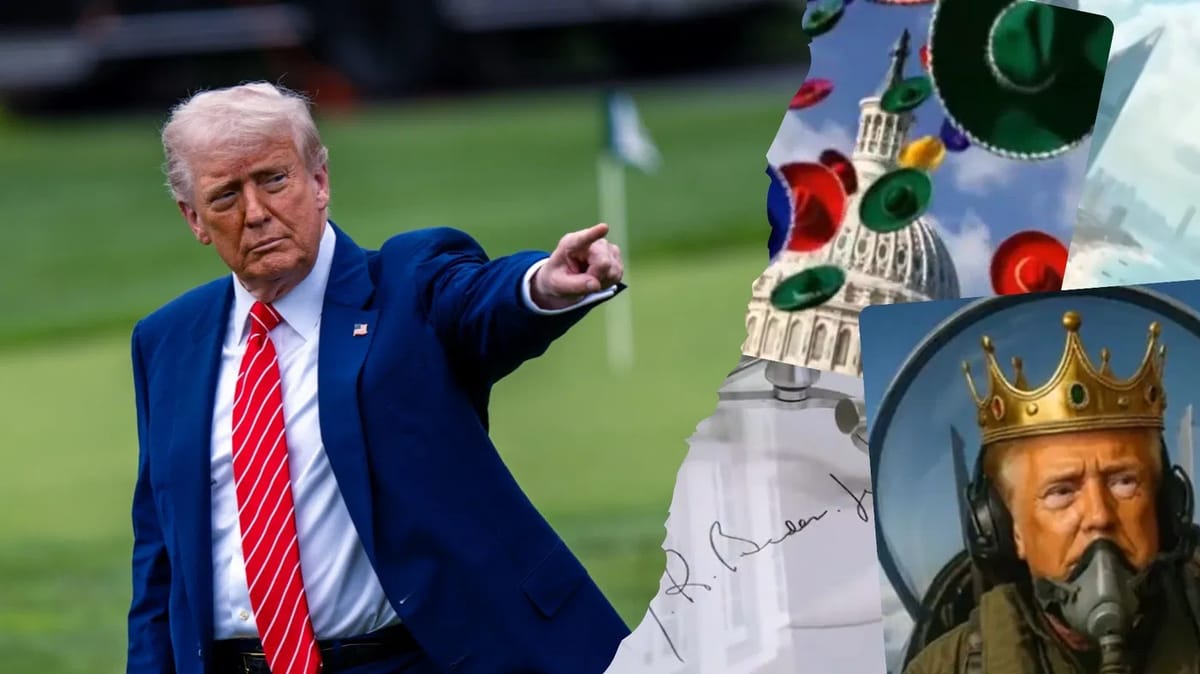
One of the most controversial posts featured an AI-generated video showing President Trump as "King Trump," complete with a crown, piloting a fighter jet and dropping garbage on protesters demonstrating against his administration in New York. The video sparked fierce debate online, with critics calling it unpresidential while supporters embraced the satire.

Ready for more?

Another AI creation depicted a fictional version of Gaza as a luxury resort destination called "Gaza Riviera," showing Trump and Israeli Prime Minister Benjamin Netanyahu sipping cocktails on a beach, with surreal imagery including Elon Musk raining money from the sky, all tied to Trump's Gaza evacuation plan.

Additional AI videos have portrayed Trump as a diamond thief in a heist scene and as various comic book heroes alongside other figures.

The TikTok Takeover

This year marked another first: the White House opened its official TikTok account, which has rapidly grown to over 3 million followers. The inaugural post featured Trump declaring, "Every day, I wake up determined to deliver a better life for people across this nation. I am your voice," accompanied by the caption: "America, we're back! What's up TikTok?"

But from there, things took an unexpected turn. The White House began posting dozens of videos of immigrants being arrested and deported, set to upbeat music. Many of these videos drew fierce criticism for their bold, some said racist, tone, including one showing scores of sombreros falling on the Capitol building with the caption: "Nothing will stop them from shutting down the government for illegal immigrants."

Another playful video removed former President Joe Biden's portrait from the White House presidential gallery and replaced it with an image labeled "auto pen," a derogatory nickname Trump assigned to Biden, suggesting he wasn't mentally fit during his presidency and others made decisions in his place.

Some posts were simply bizarre, like an image of the White House overlaid with nine pictures of Trump and the instruction: "Find 9 Trumps in the picture."


Copyright Troubles and AI Concerns

The White House has repeatedly run into legal issues, using copyrighted popular songs without permission. Angry responses from artists and rights holders followed, forcing the administration to remove audio from many videos. In other cases, the White House faced accusations of using AI to create misleading political content.

Ready for more?

When questioned about one such post, White House Press Secretary Karoline Levitt offered a straightforward explanation: "The President has the right to do this. It's his social media." She added that Trump is "very transparent, you hear from him directly on social media. He loves sharing memes and videos, as well as content from other prominent people."

The Team Behind the Transformation

So who's really behind these radical changes? Enter the White House Office of Digital Strategy, a relatively new unit tasked with advancing the use of digital technologies and online communication to support the President's policy goals and strengthen public engagement.

The office was established under former President Barack Obama as part of his focus on technology and innovation in government. During Obama's tenure, the White House became a leader in governmental use of digital technologies, with digital policy serving as a central function of the administration.

Under Trump, the office has evolved beyond simply managing social media accounts into a strategic body planning how the White House connects with American citizens, especially as the influence of the internet and digital technologies on global politics has only intensified in recent years.

Adapting to the Digital Age

The White House and President Trump, it appears, are adapting to the current generation and technology. In an era where people, especially young people, have zero patience for long, boring content, this may be the only way to capture attention.

Is this an effective strategy? Time will tell. But one thing is certain: presidential communication has entered uncharted territory, where viral memes and AI-generated content have become tools of statecraft, for better or worse.

Ready for more?

Join our newsletter to receive updates on new articles and exclusive content.

We respect your privacy and will never share your information.

Enjoyed this article?

Yes (5)
No (0)
Follow Us:

Loading comments...