Trouble in Mossad: High Court Halts Gofman's Appointment: "Investigation Was Deficient"
Supreme Court rules advisory committee's vetting process was inadequate • Key witnesses must now testify directly before panel | Gofman's integrity crisis deepens (Israel News)

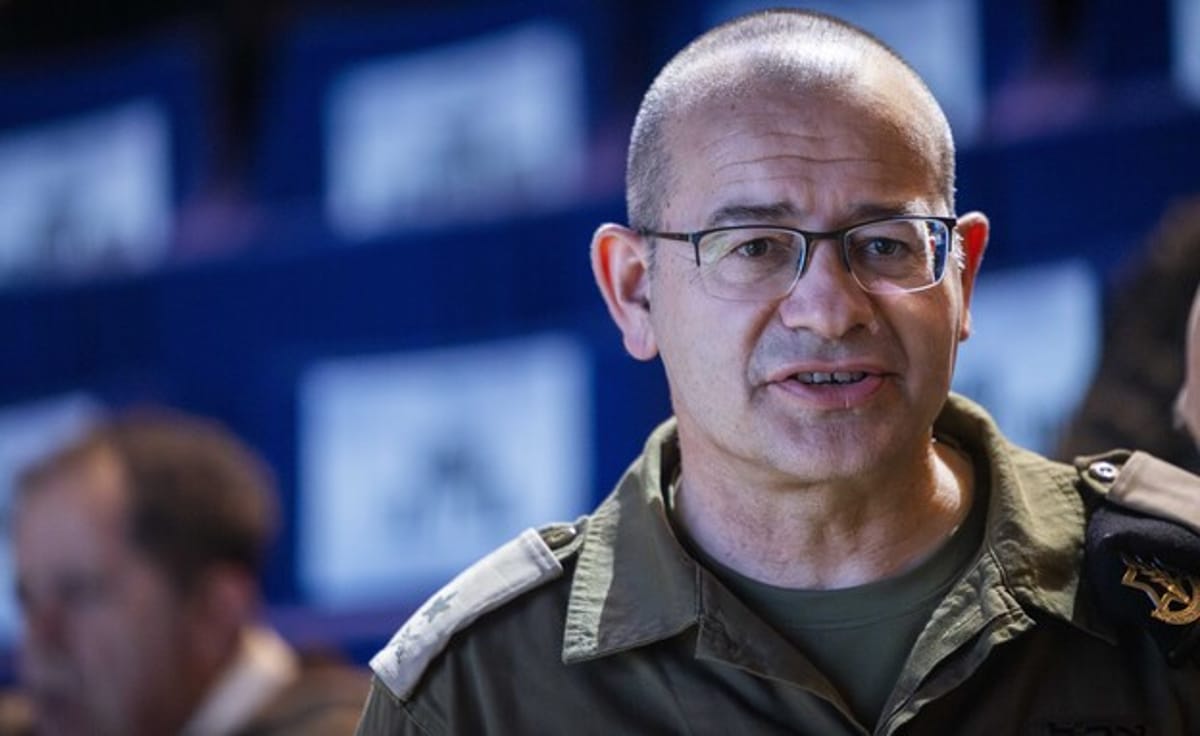
The Supreme Court of Israel issued an interim ruling Tuesday that significantly complicates the already controversial appointment of Major General Roman Gofman as the next Director of the Mossad. The justices determined that the Senior Appointments Advisory Committee's investigation into Gofman's suitability "suffered from deficiencies," including failure to access critical real-time documents and direct testimony from key figures involved in the most damaging allegations against him.
The court's decision represents a dramatic setback for Prime Minister Benjamin Netanyahu, who has vigorously championed Gofman's nomination despite fierce opposition from multiple quarters within the security establishment. The ruling mandates that the advisory committee, chaired by retired Supreme Court President Asher Grunis, must conduct supplementary hearings before issuing an updated opinion on Gofman's fitness for the position.

The Elmakayes Affair Returns to Haunt Gofman
At the heart of the controversy lies the case of Uri Elmakayes, a gifted teenager who was recruited at age 16 by intelligence officers under Gofman's command in Division 210. According to previous investigations, Elmakayes had independently built Telegram channels aggregating intelligence on Arab states, work that caught the attention of Gofman's unit. The young operative was allegedly utilized for covert influence operations, then abandoned when complications arose.
When Elmakayes was subsequently interrogated on suspicion of espionage and contact with foreign agents, he maintained that he had been operating under Gofman's authorization. However, Gofman reportedly distanced himself from the teenager, leaving him to face months of harsh interrogation alone. Elmakayes was ultimately fully exonerated of all charges, but the episode has become the central ethical question mark hovering over Gofman's nomination.

Court Orders Direct Testimony
The Supreme Court's interim decision explicitly requires the advisory committee to hear testimony directly from Elmakayes himself, as well as from Colonel G., whose previous statements were not presented to the committee in person. "At this stage, it has become clear that the work of the Senior Appointments Advisory Committee suffered from deficiencies, including lack of exposure to relevant documents from the time and direct testimony from individuals involved in the matter," the justices stated in their ruling.
The court emphasized that maintaining procedural integrity requires the committee to complete its investigation properly before rendering a final opinion. "In these circumstances, in order to preserve a proper process and without taking a position on the outcome, it appears there is justification for the committee to supplement the investigation it conducted and submit an updated and reasoned opinion," the decision noted.
Following the supplementary hearings with Elmakayes and Colonel G., Gofman himself will be granted an opportunity to respond and complete his own testimony. The court clarified that all parties must appear before the committee personally, without legal representation, and answer questions directly according to the committee's standard procedures.

Unprecedented Opposition from Security Establishment
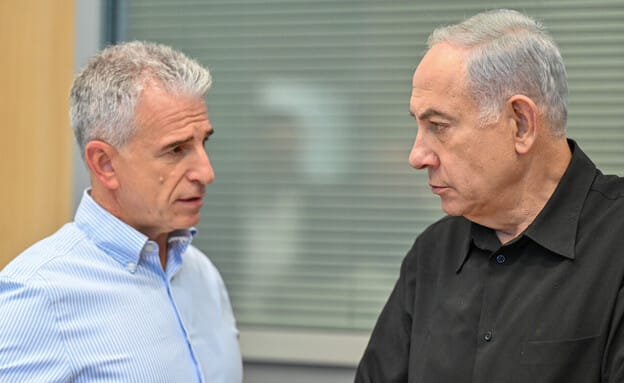
Gofman's nomination has triggered an extraordinary public rift within Israel's intelligence community. Current Mossad Director David Barnea has openly opposed the appointment, submitting a confidential letter to the Attorney General in which he assessed that while Gofman possesses operational creativity and daring, he suffers from "a significant problem in terms of integrity." Barnea argued that because the Mossad operates outside standard civil law and answers only to the Prime Minister, its director must be a person of unimpeachable character.
The revelation of Barnea's letter sparked a furious response from Netanyahu, who reportedly accused the current Mossad chief of "acting behind his back" and attempting to influence the High Court without proper authorization. The Prime Minister characterized Barnea's intervention as undermining his authority and creating an unprecedented public battle within the security establishment.
Tight Timeline for Resolution
The Supreme Court has imposed an aggressive schedule for resolving the matter. The advisory committee must notify the court by May 21, 2026 at 12:00 PM whether it intends to complete the supplementary investigation process. A subsequent update confirming completion of the committee's work must be submitted by May 26, 2026, after which the court will determine how to proceed with the pending petitions challenging Gofman's appointment.
The compressed timeline reflects the urgency surrounding the leadership transition at Israel's premier intelligence agency, particularly as regional tensions with Iran remain elevated. However, the court's decision makes clear that procedural thoroughness cannot be sacrificed for expediency, especially when questions of moral integrity are at stake for an organization that operates in the shadows with minimal oversight.
This is a developing story as the advisory committee prepares to conduct the supplementary hearings ordered by the Supreme Court.