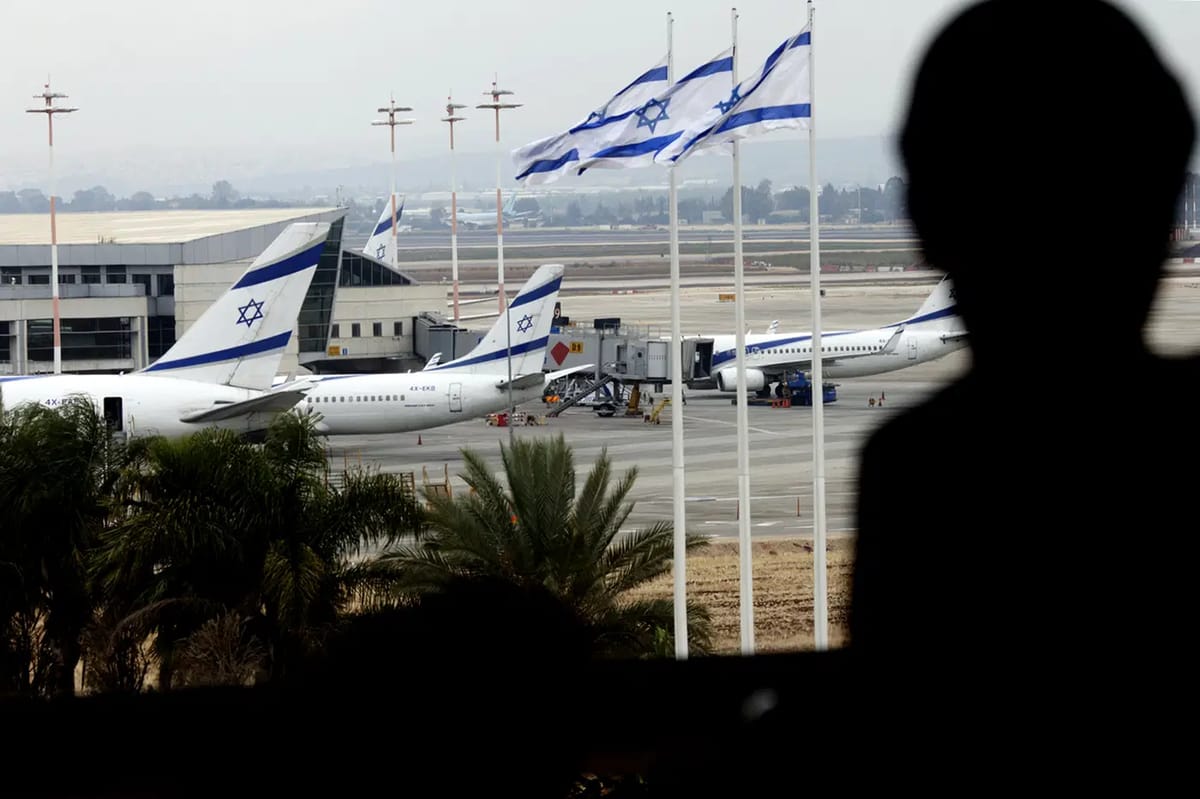
The Israeli defense establishment is preparing a dramatic shift in its aviation and homeland defense protocols, signaling that Ben Gurion International Airport will remain open to commercial traffic even if active warfare with Iran breaks out again. This strategic decision stands in stark contrast to previous rounds of intense regional fighting, during which aviation authorities immediately shut down the nation's primary gateway to the outside world the moment hostilities commenced.
During past military campaigns, such as Operation With Every Lion and Operation Lion's Roar, the immediate closure of Ben Gurion Airport was deemed an absolute necessity to protect commercial airliners from large-scale rocket fire. However, top security officials have fundamentally re-evaluated the domestic threat matrix based on real-time intelligence gathered throughout the recent phases of the war.
The primary catalyst for this updated policy is the massive, ninety percent degradation of Iran’s domestic missile and launch infrastructure. While the opening salvos of earlier campaigns featured overwhelming barrages of over one hundred advanced ballistic missiles at a time, subsequent conflicts saw those numbers drop significantly to several dozen projectiles per strike.
Current intelligence assessments indicate that the Iranian military is no longer capable of manufacturing or coordinating massive, simultaneous salvos. Instead, experts believe the regime's heavily depleted arsenal can only manage isolated, small-scale strikes consisting of ten to fifteen individual missiles at any given moment, a volume that local multi-layered air defense networks can comfortably neutralize.
Consequently, current operational plans dictate that the international airport will maintain its standard flight schedules, though safety parameters will be continuously scrutinized and adjusted based on real-time battlefield developments. While domestic carriers are expected to maintain their regular flight paths to ensure Israel remains connected to global supply lines, defense analysts acknowledge that the vast majority of foreign airlines will likely suspend their local operations until total stability is restored.