
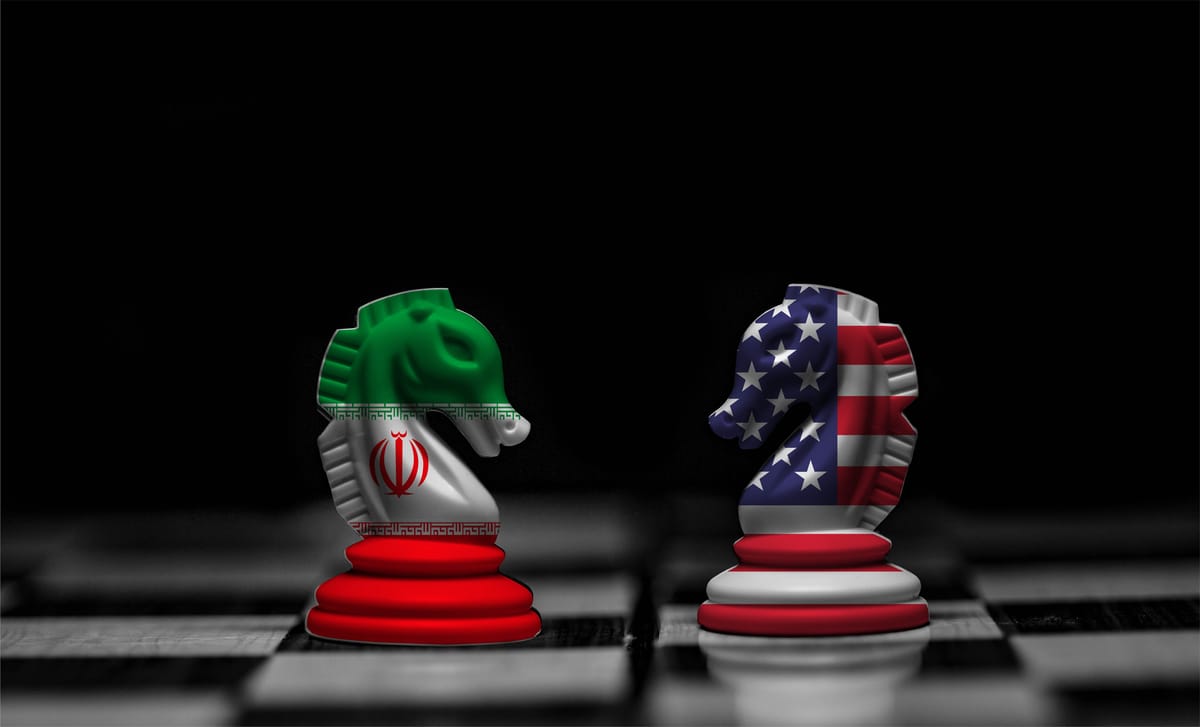
Forty days after a wave of state-sponsored violence left tens of thousands dead, the Iranian people have returned to the streets, weaponizing the same mourning cycles that toppled the Shah in 1979 to challenge the current Islamic Republic.
As the "Chehelom" (40-day) mourning ceremonies began this week, cities across Iran transformed into battlegrounds once again. From the Kurdish town of Abdanan to the streets of Mashhad and Hamadan, the rhythmic chants of "Death to the Dictator" have signaled a terrifying historical mirror for a regime already bracing for a potential U.S. military strike.
The "Chehelom" Cycle: History Repeats
In 1979, the Islamic revolution gained unstoppable momentum by turning every 40-day memorial for a fallen protester into a fresh demonstration. Today, the Iranian public is deploying that exact playbook against the clerics themselves.
- The Crackdown: In Abdanan, security forces opened fire on hundreds of mourners gathered at a local cemetery.
- The Casualties: Human rights groups report at least three wounded and nine arrested in the latest clashes, as the regime struggles to contain the "cycle of martyrs".
- The State’s Failure: Fearing the cemeteries, the government attempted to host state-sponsored ceremonies in mosques to control the narrative, an effort activists say has "miserably failed".
A Regime Under Siege
The internal unrest comes at the worst possible moment for Supreme Leader Ali Khamenei. With President Trump’s "Beautiful Armada" positioned in the Gulf and Secretary of State Marco Rubio signaling that the window for diplomacy in Geneva is slammed shut, the regime is fighting a war on two fronts.
Senior Iranian officials admit to a growing fear: that a U.S. surgical strike won't just destroy nuclear sites, but will serve as the "final spark" for a population already pushed to the brink by economic ruin and corruption.
"How long can they keep killing people to stay in power?" asked Sarah, a 28-year-old government employee in Isfahan. "The Islamic Republic has brought nothing to my country but war, economic distress, and death".
The Digital Blackout
To prevent the protests from scaling into a full-blown revolution, the regime has once again "killed the internet" in flashpoint cities, attempting to blind the world to the live fire being used against grieving families. However, the sounds of "Allah Hu Akbar" and "Death to the Dictator" continue to echo from the rooftops of Tehran each night, proving that while the internet may be dead, the rebellion is very much alive.
The Kicker
The old guard in Tehran once used the 40-day cycle to seize the state. Now, as they face the combined pressure of a domestic uprising and American "Common Sense Realism," they are learning a brutal lesson: He who lives by the cycle of the martyr, dies by it.