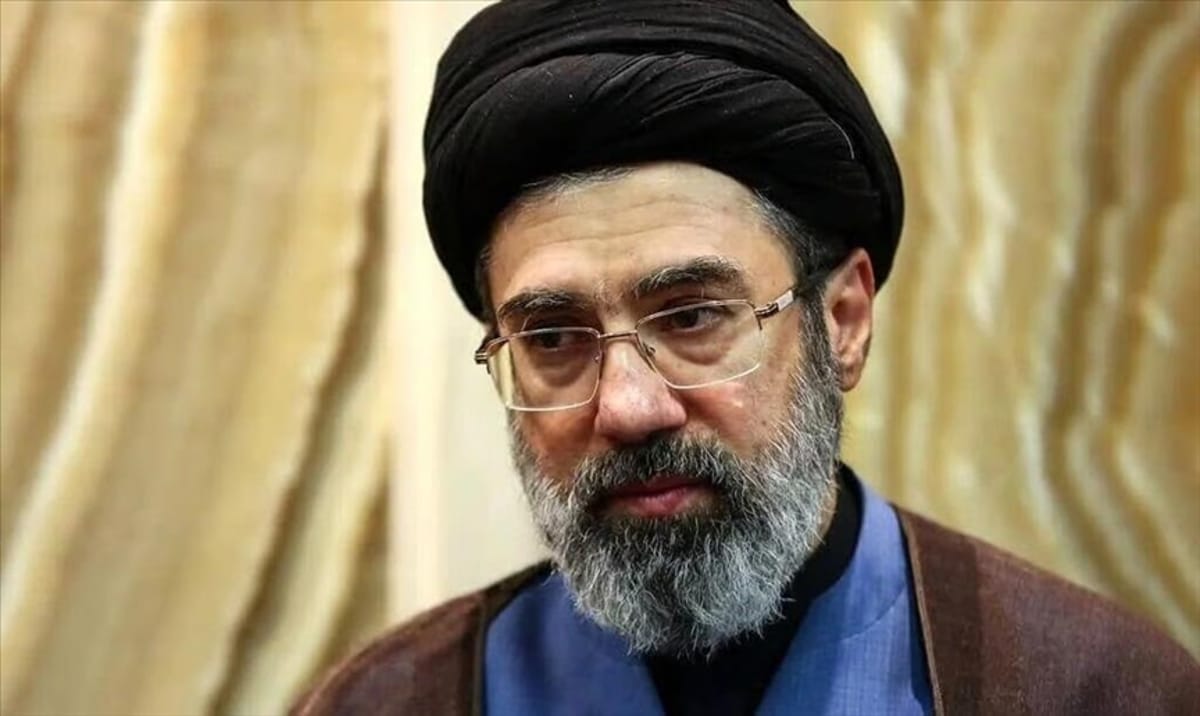
As Israel continues its systematic dismantling of Iranian strategic assets, the Islamic Republic has made its most desperate move for stability: the appointment of Mojtaba Khamenei, son of the late Ali Khamenei, as the new Supreme Leader.
The move confirms that the regime has chosen continuity over reform. Rather than pivoting toward de-escalation in the face of crushing airstrikes, Tehran is doubling down on the hardline revolutionary path that has defined the last four decades.
Trump’s Fury: "Not the Choice We Wanted"
The appointment has already hit a major wall in Washington.
President Donald Trump reportedly expressed "deep disappointment" and frustration with the succession. According to insiders, the U.S. administration had hoped that the passing of Ali Khamenei would open a door for a fundamental shift in Iranian policy or a potential collapse of the clerical establishment.
By choosing Mojtaba, a man deeply entrenched in the IRGC and his father’s inner circle, Tehran has sent a clear message: the "Second Iranian War" will continue. Trump’s reaction suggests that the U.S. may now move from "maximum pressure" to an even more aggressive posture, viewing the new leader as a direct continuation of the "old guard" that must be confronted.
The Challenges of the "Son-King"
Mojtaba Khamenei inherits a nation on the brink. His "coronation" comes at a time of unprecedented peril:
- Total War: He must navigate the ongoing conflict with Israel and the Western powers while the IAF continues to strike "centers of gravity" across Iran.
- Economic Implosion: With reports of the UAE targeting the Iranian stock exchange and the IRGC failing to pay its proxies, the new leader faces a bankrupt treasury.
- Internal Rebellion: The Iranian public, already exhausted by economic ruin, views the dynastic appointment with suspicion. The Chief of Police has already warned that security forces have their "fingers on the trigger" to suppress any signs of dissent.
Expert Analysis: "No Change in Sight"
Analysts in the Arab world, specifically writing for Al-Akhbar, suggest that Mojtaba’s appointment was engineered to prevent a power vacuum that could have led to a military coup or a popular revolution. However, by choosing the son, the regime may have inadvertently simplified the target for its enemies.