THE BIG HIT: Israel Strikes 30 Tehran Oil Sites; US Special Ops Prep to ‘Go Get’ Iran’s Uranium
Dramatic footage shows massive blazes as the IAF targets the Iranian regime’s "economic artery"; global oil prices surge 24% as the conflict enters its second week.
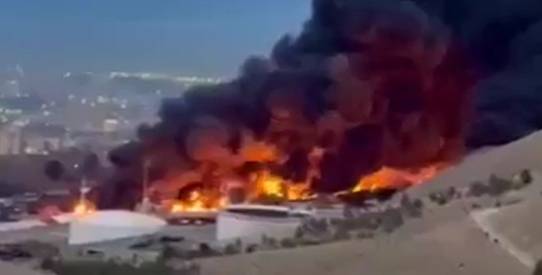
For the first time since the outbreak of direct hostilities with Tehran, the Israeli Air Force (IAF) targeted approximately 30 oil facilities in the Iranian capital on Saturday. The strike marks a major escalation in the week-long war, directly hitting the infrastructure that serves as the economic lifeblood of the Islamic Republic.
"A Step Up in Dismantling the Regime"
Dramatic footage from Tehran shows massive pillars of fire lighting up the night sky, with heavy smoke billowing over the impact zones. A senior military official confirmed the strike, stating: "This is a step up in dismantling the pillars of the Iranian regime. There will be further moves."
The IDF Spokesperson’s Unit released a statement clarifying that the operation was carried out with precise intelligence from the Intelligence Directorate (Aman) and the Operations Directorate.
"The IAF targeted several fuel storage depots in Tehran," the statement read. "The Iranian terror regime uses these fuel reserves directly to power military infrastructure and to supply various military bodies within Iran."
Global Economic Shockwaves
The war, which began last Saturday, is already sending unprecedented shockwaves through the global economy. Analysts from JP Morgan note that the market has shifted from "pricing in risk" to dealing with actual operational disruptions.
Key economic developments include:
The Political Toll
The timing of the energy crisis poses a significant threat to U.S. President Donald Trump ahead of the upcoming midterm elections. American voters, traditionally sensitive to rising energy costs and wary of foreign military entanglements, may react poorly to the sudden spike in fuel prices.
Experts warn that even if a ceasefire were reached tomorrow, the damage to the energy sector will be felt for months.
Amir Zaman of Rystad Energy explained that shutting down and restarting oil fields is a complex technical process.
"Depending on the type and age of the field, it can take days, weeks, or even months to bring production back to its original levels," Zaman noted.