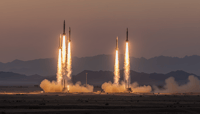
The United States, Iran and Oman are reportedly closing in on an interim agreement to reopen the Strait of Hormuz, as President Donald Trump warns that Tehran could face another devastating American attack if the diplomatic effort collapses.
Washington is seeking a phased arrangement similar to the memorandum of understanding negotiated earlier this summer: first, reopen the strategic waterway and restore the U.S.-Iran ceasefire; then begin negotiations over Iran’s nuclear program.
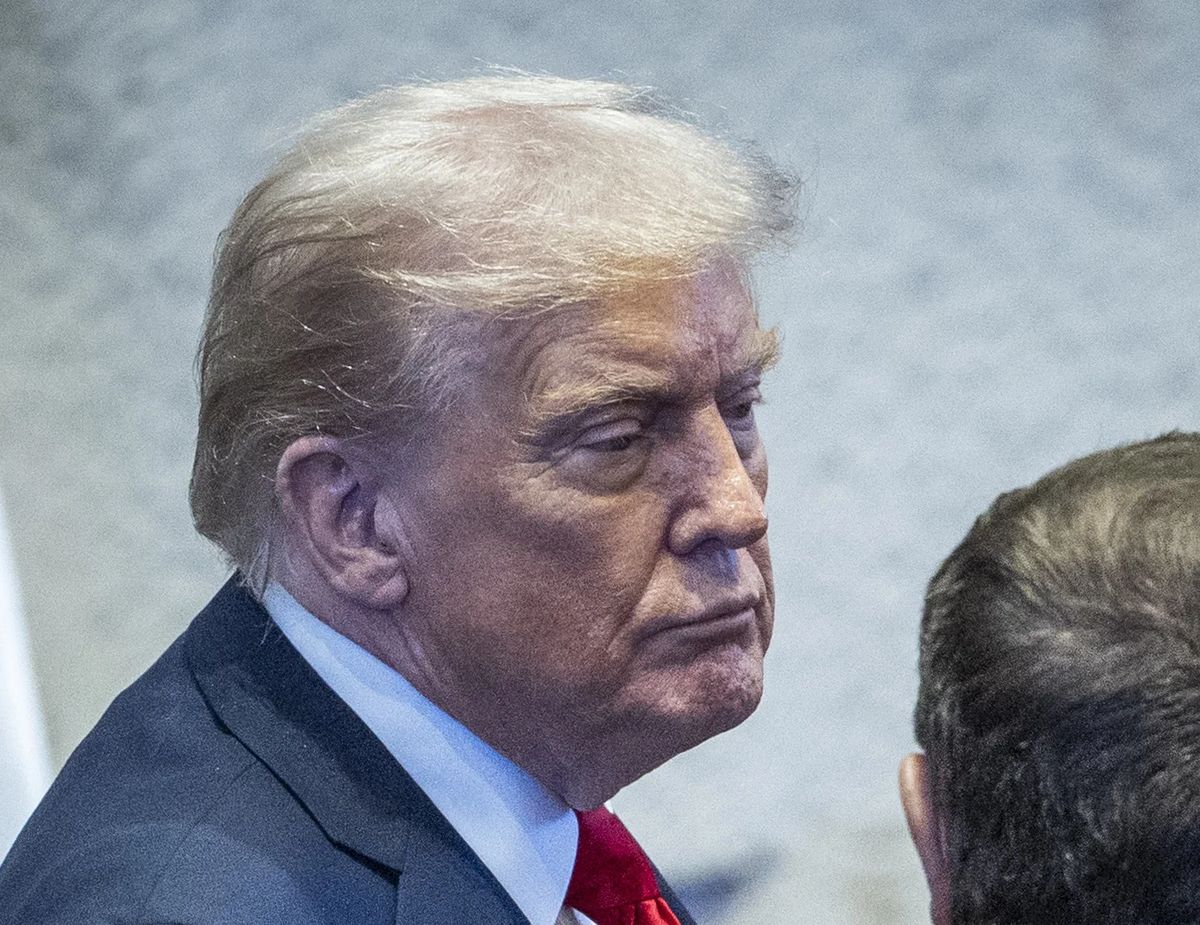
“The first phase is the opening of the straits. The second phase will be the denuclearisation,” Trump told reporters, describing the current negotiations as Iran’s final opportunity to avoid renewed escalation.
Trump also rejected Iran’s repeated claims that it is not negotiating with Washington.
“No, the talks are going on,” the president said. “For some reason, when they’re talking, they don’t like saying that they’re talking.” He said the discussions were taking place at Iran’s request and with support from Saudi Arabia, Qatar and the United Arab Emirates.
Iran’s Foreign Ministry has maintained that Tehran is negotiating only with Oman over maritime arrangements and is not engaged in direct talks with the United States. Iranian spokesman Esmail Baghaei said Monday: “We are not currently negotiating with the United States.”
The Emerging Hormuz Arrangement
According to Axios, the proposed agreement would establish a temporary 60-day navigation system that could later be extended.
Ships entering the Persian Gulf would travel through a northern lane passing through Iranian waters. Ships leaving the Gulf would use a southern lane through Omani waters, with coordination between Muscat and Tehran.
No tolls or transit fees would be collected during the temporary period. The parties would also be required to clear naval mines from the Strait’s central lane within 30 days. Once cleared, that lane would eventually accommodate traffic in both directions under a permanent arrangement to be negotiated by Iran and Oman.
The White House has been directly involved in the diplomatic effort. Trump envoy Steve Witkoff reportedly held several recent calls with Iranian Foreign Minister Abbas Araghchi and Omani Foreign Minister Badr al-Busaidi.
Regional officials told Axios that Araghchi had accepted the emerging framework in principle but initially required approval from Iran’s supreme leader, Mojtaba Khamenei, and the Supreme National Security Council. A U.S. official later claimed that the Iranian leadership completed its approval process on Tuesday.
Saudi Arabia, Qatar and Pakistan have also participated in the mediation.
Iran’s Demand for Control
The central dispute remains Iran’s attempt to establish authority over the Strait, which carried approximately one-fifth of global oil and liquefied natural gas shipments before the war.
Tehran views control of the waterway as its strongest remaining source of leverage against the United States. By threatening global energy supplies, Iranian leaders appear to believe they can pressure Trump into accepting limits on future American and Israeli military action.
The United States has rejected Iran’s demand to impose mandatory payments on ships passing through the Strait. Washington also opposes any arrangement that would formally recognize Iranian sovereignty over an international shipping route.
A previous understanding collapsed after Iran resumed attacks on commercial vessels, triggering two additional weeks of fighting and bringing the sides close to a wider war. American and regional officials are therefore seeking stronger guarantees before announcing the new agreement.
U.S. Weapons Stocks Under Pressure
The negotiations come as the prolonged war places increasing pressure on American weapons inventories.
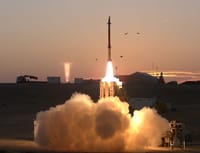
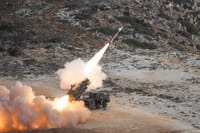
Reuters reported that the United States has used “virtually all” of its available ATACMS and Precision Strike Missiles during the five-month conflict, as well as slightly less than half of its global Tomahawk cruise-missile stockpile.
The United States is also estimated to have expended approximately 65% of its Patriot interceptors, while its THAAD interceptor inventory is at least 38% lower than it was at the beginning of the war. Senior military officials have warned that depleted stocks could weaken American readiness for another major conflict.
Trump has dismissed concerns about shortages, insisting that the United States possesses “far more munitions than anyone in the world” and that American defense companies are expanding production at record levels.
For now, the administration is pursuing diplomacy while keeping the threat of renewed strikes firmly on the table. The emerging agreement may reopen the world’s most important energy passage—but the larger confrontation over Iran’s nuclear program and its attempt to control Hormuz remains unresolved.