Years ago, when my uncle packed up his life in Johannesburg and headed to Sydney, I couldn't resist the ribbing. "Off to heaven on earth, hey?" I'd tease him over family calls. "People actually stop for pedestrians, the post arrives on time, the beaches are pristine, and everyone's so polite. You'll never want to leave!"
He'd laugh it off, but he'd also rave about it: the laid-back vibe, the sense of safety, the community spirit that made Australia feel like a dream compared to the anxieties we'd known back home. Sydney, and especially Bondi, became his symbol of that idyllic new life, a place where you could walk the streets without looking over your shoulder, where civility wasn't just a slogan but a daily reality.
Then came December 14, 2025. The Bondi Beach massacre. What was meant to be a joyful Hanukkah celebration, the first night of the Festival of Lights, with families, children, music, and community gatherings at Archer Park near the iconic beach, turned into Australia's worst terrorist attack in decades. Two gunmen, a father and son inspired by Islamic State ideology, opened fire on the crowd, killing 15 innocent people, including a 10-year-old girl named Matilda, and injuring dozens more. It was a targeted antisemitic atrocity, shattering the peace of one of the world's most beloved beaches.
From afar in Israel, I watched in horror as the news unfolded. But amid the heartbreak, something extraordinary emerged: the unbreakable spirit of Australians standing shoulder to shoulder.Queues stretched for hours, up to seven in some places, at blood donation centres across the country. More than 20,000 appointments were booked in the days following, the highest surge since the Black Saturday bushfires. Lifeblood centres turned away walk-ins because they were overwhelmed with donors eager to help, many leaving messages of solidarity on whiteboards. O-negative donors, in particular, were desperately needed, and Australians answered the call without hesitation.
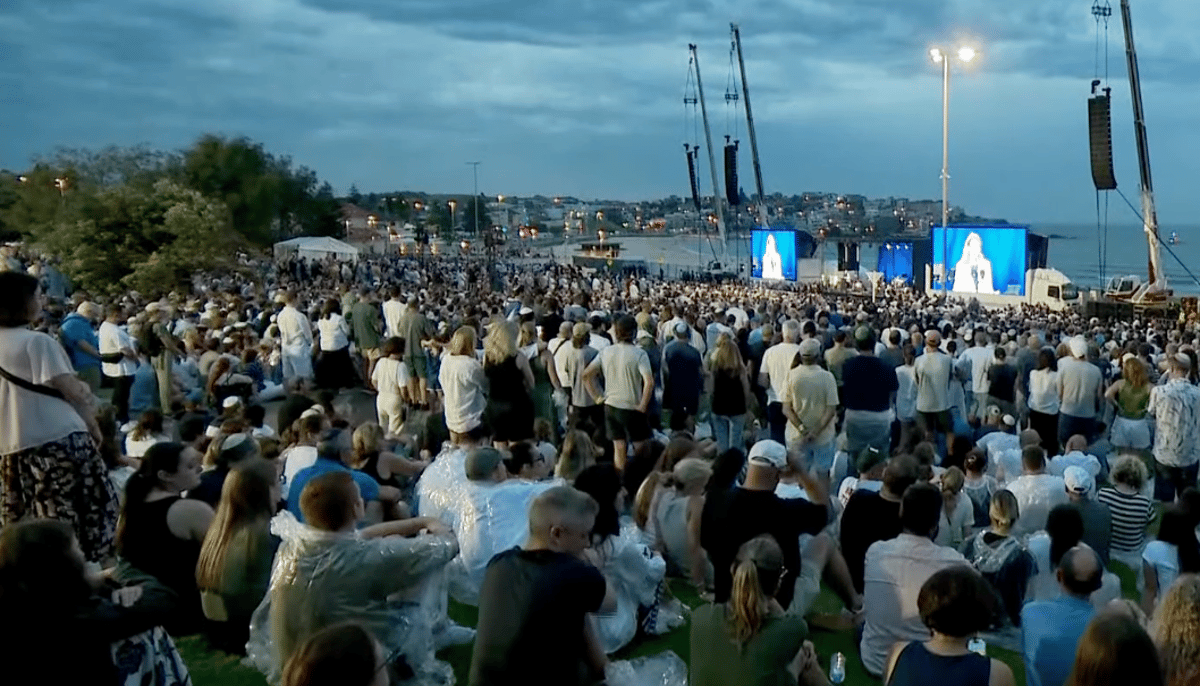
At Bondi Pavilion, a sea of flowers grew into a mountain of tributes, thousands of bouquets laid in quiet reverence, turning the site of tragedy into a symbol of remembrance and resilience. Vigils drew crowds in Sydney, Melbourne, and beyond, with people of all backgrounds coming together to mourn, pray, and light candles. Surf lifesavers in their red and yellow uniforms lined the sand for minutes of silence, honouring the victims and the heroes who rushed into danger.
And the heroes: ordinary people who became extraordinary in the face of evil. Ahmed al-Ahmed, a Syrian-born Muslim fruit seller and former policeman, tackled one of the gunmen, wrestling away his rifle despite being wounded. Lifesavers ran towards the gunfire to aid the injured. Bystanders shielded strangers, and first responders worked tirelessly under unimaginable pressure.
Even from Israel, where we've known too much terror, the outpouring touched us deeply. Messages of support flooded in, and many of us felt a profound connection, not just to the Jewish victims, but to the Australian ethos that refused to let hate win.
The Bondi massacre stole lives and innocence, but it also revealed the soul of a nation: one that stops for pedestrians, yes, but more importantly, one that stands up for each other. In the flowers, the blood donations, the vigils, and the quiet acts of unity, Australians showed the world what true paradise looks like. It's not the absence of evil, it's the presence of good, overwhelming and unbreakable.
To my uncle, and to all Australians grieving and healing: I'm no longer teasing. I'm in awe.