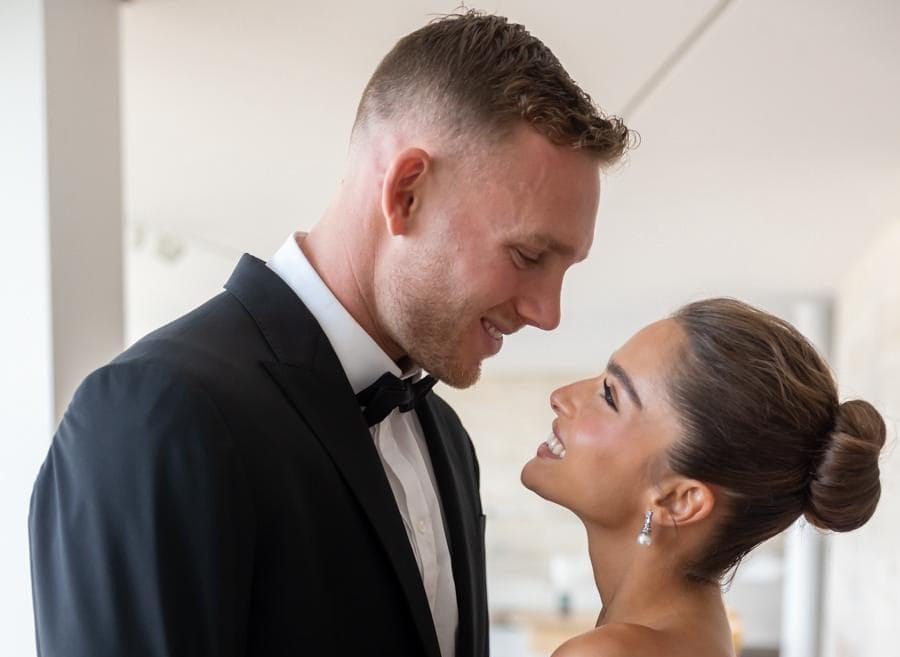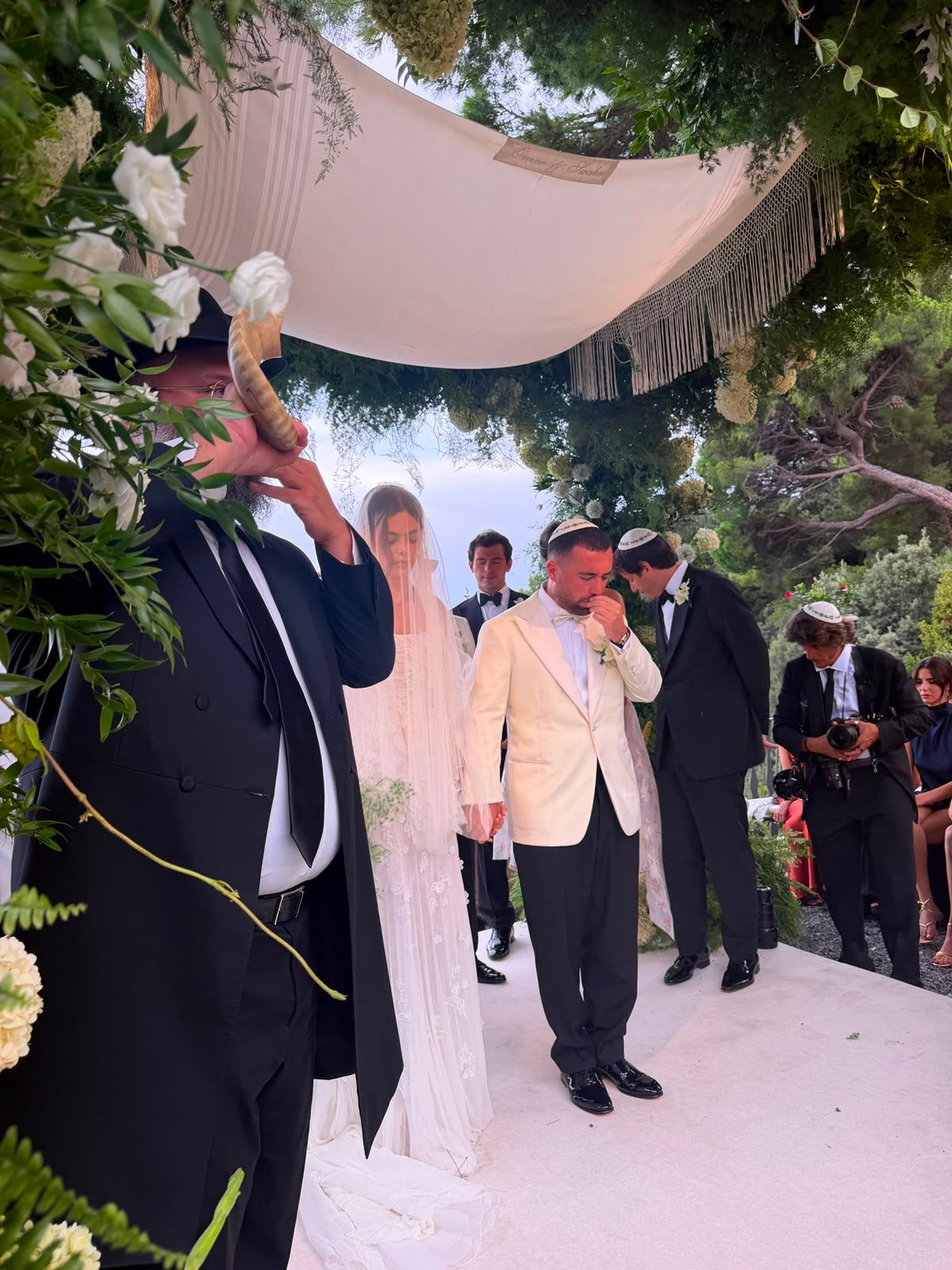
By all conventional measures, Israeli pop star Omer Adam's wedding should have been the feel-good event of the year. Entertainment columns buzzed with coverage, social media flooded with footage from every conceivable angle, and the celebrity guest list sparkled. Yet beneath the spectacular production and endless online chatter, something fundamental was missing. This may have been the most talked-about wedding in Israeli entertainment, but it was also strangely the least emotionally resonant. The public was watching, certainly, but they weren't feeling anything.
The timing only amplified this disconnect. After years in a high-profile relationship with Yael Shelbia that seemed headed toward marriage, Adam suddenly married Sasha Israelovich after less than a year together. With everything happening so quickly and the singer himself offering no explanation or context, audiences never had a chance to process the narrative. Instead of a love story unfolding before their eyes, they received a fast-forwarded script that left them as spectators rather than participants.
The reason is straightforward: emotional connection requires reciprocity. Even Noa Kirel, one of Israel's most image-conscious and strategically managed performers, understands this basic principle. On her wedding day, beneath all the careful branding and polished presentation, she allowed the public to see her moved, tearful, and vulnerable. She transformed her private moment into an emotional partnership with her audience. Adam, by contrast, maintained his strong and stoic 'fortress strategy'. When a performer never gives interviews and never shows vulnerability, the public receives a grand production, but one disconnected from the heart.