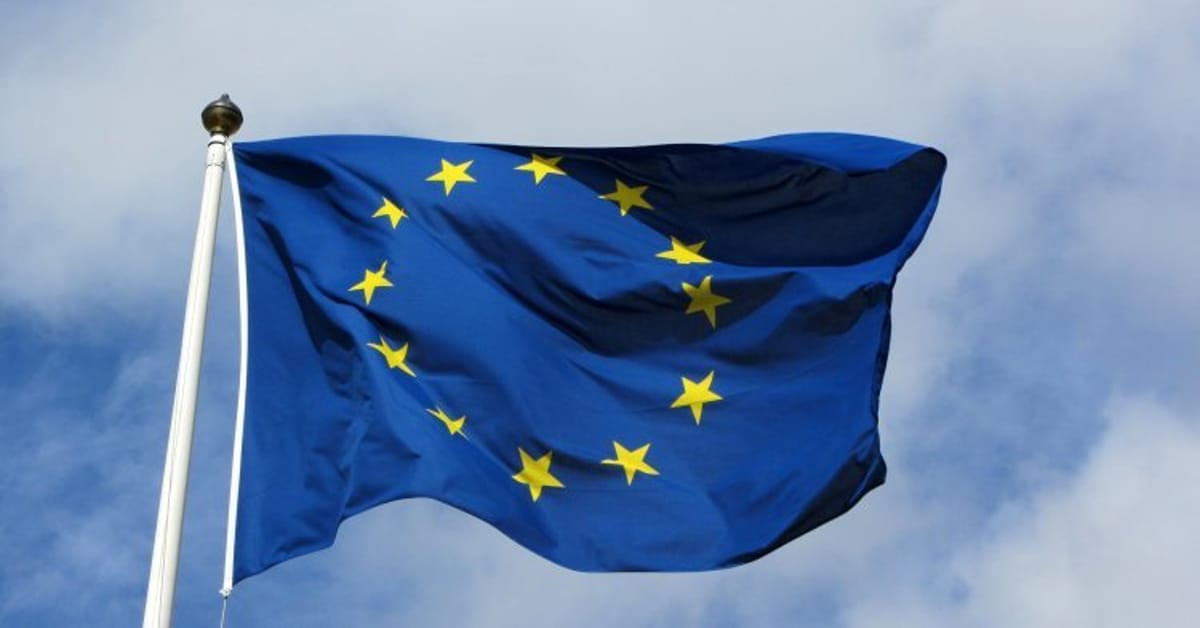
For decades, Europe has existed in a comfortable geopolitical garden, subsidized by the American security umbrella. However, as the global order fractures, European capitals are gripped by a paralyzing anxiety. It is becoming increasingly unclear what disturbs the European elite more: the reflection of their own frailty or the resurgence of unapologetic American power. The return of a "America First" doctrine has stripped away the polite diplomatic fiction that allowed Europe to pretend it was still a superpower equal to the United States.
The internal view is bleak. The European economy is stagnating, crushed by over-regulation and an energy crisis self-inflicted by a reliance on Russian gas and green utopianism. Militarily, the war in Ukraine exposed a hollowed-out force; major powers like Germany and France struggled to produce enough ammunition for a week of high-intensity conflict. Culturally, the continent is wrestling with a demographic winter and a failure to integrate waves of migration. When European leaders look in the mirror, they see a museum of past glories rather than a laboratory of future power.
Yet, when they look across the Atlantic, the reaction is not relief but recoil. A strong, assertive America that demands NATO members pay their bills and pick a side in the economic war against China shatters the European dream of "strategic autonomy." Europe wants an America that is strong enough to protect it from Putin but weak enough to listen to Brussels' lectures on morality. They desire a bodyguard who pays for dinner but stays silent during the conversation.
The tragedy of modern Europe is this cognitive dissonance. They fear an isolationist America will leave them to the wolves, but they loathe an interventionist America that disrupts their trade with dictatorships. As the White House gears up for a confrontational approach to the enemies of the West, Europe is finding that its traditional stance of moral superiority without military capability is no longer a currency that buys influence in Washington.