A violent maritime confrontation has left four people dead and six others wounded after Cuban military forces engaged a Florida-registered speedboat in territorial waters. The incident, which occurred on Wednesday, has sent ripples through the diplomatic community as officials in Washington and Havana scramble to understand the circumstances of the lethal exchange. While the Cuban government claims its soldiers acted in self-defense after coming under fire, the identity of those on board and the exact purpose of the vessel’s presence near the island remain shrouded in mystery. With the White House and the Department of Homeland Security yet to issue a formal response, the event marks one of the deadliest encounters between the two nations' interests in recent years.
Firefight at Cayo Falcones
According to an official statement released by Cuba’s Interior Ministry, the deadly encounter took place approximately one mile northeast of Cayo Falcones, situated off the northern coast of the island. Cuban authorities allege that the speedboat, which carried a Florida registration, initiated the violence by opening fire on Cuban officers as they attempted to intercept the vessel. In the chaotic gunfight that followed, one Cuban officer was reportedly injured. The response from the Cuban soldiers was overwhelming and lethal, resulting in the deaths of four individuals on the boat. Six other occupants were injured during the exchange and are believed to be receiving medical attention under Cuban custody.
Unanswered Questions and Missing Data
The Cuban government has released the registration number of the vessel, but independent verification of the boat’s history has proven difficult. Public access to boat registration records in Florida is restricted, making it impossible to immediately identify the owner or the port of origin. At this stage, it remains unclear whether any of the deceased or injured individuals are United States citizens, a factor that will heavily influence the severity of the diplomatic fallout. Cuban authorities have not yet clarified what the boat and its occupants were doing in their territorial waters, though such incidents in the past have often been linked to human smuggling or illicit trade.
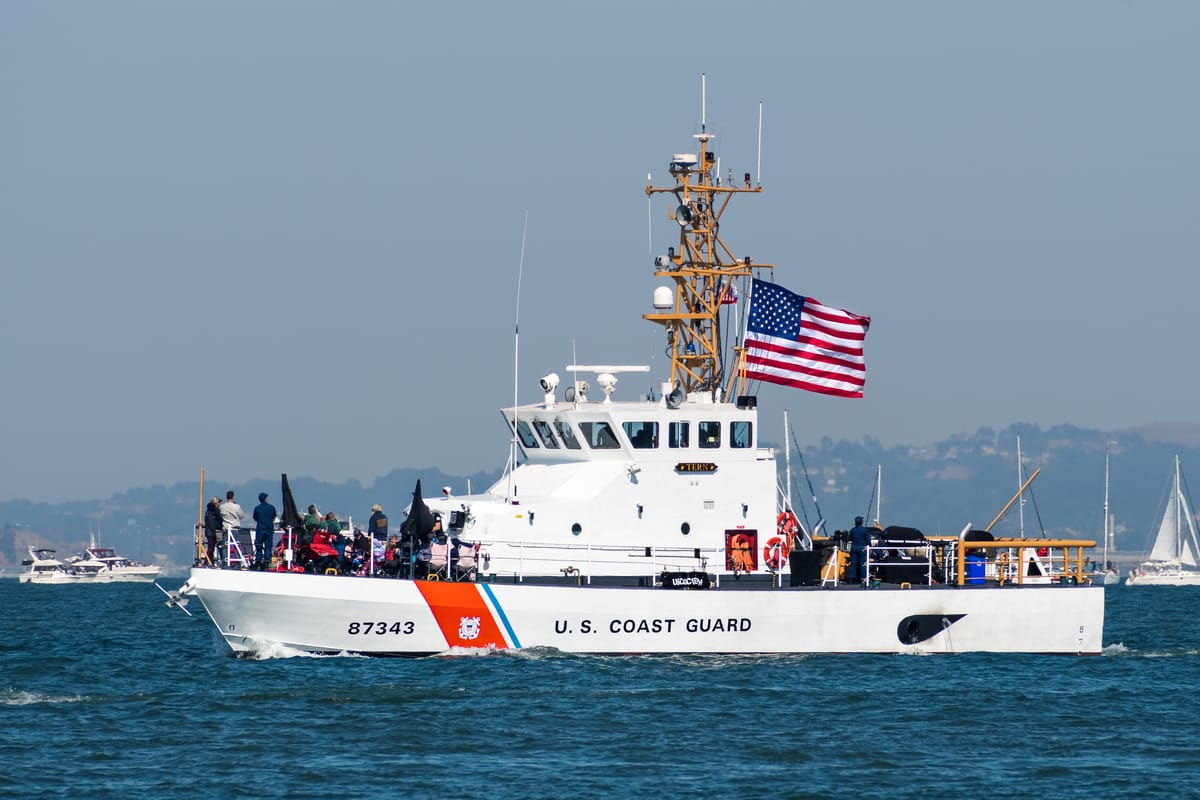
As of Thursday morning, the U.S. Coast Guard and the White House have remained silent on the matter, refusing to provide immediate comments. The lack of information from American authorities has fueled speculation about the nature of the mission. Whether the vessel was involved in a private venture or a more complex operation, the loss of life at Cayo Falcones has created a volatile situation at sea. The international community is now waiting to see if this maritime violence will escalate into a broader diplomatic war between the neighboring states.