The Brainstorming After the Storm

Israel-Iran War: What Israel Gained, and Lost?

Following the official announcement ending the U.S. war with Iran, Prime Minister Netanyahu faced journalists to summarize the conflict from the Israeli perspective. but what does the average Israeli citizen actually feel after the war, and did it end with an "absolute victory" ?

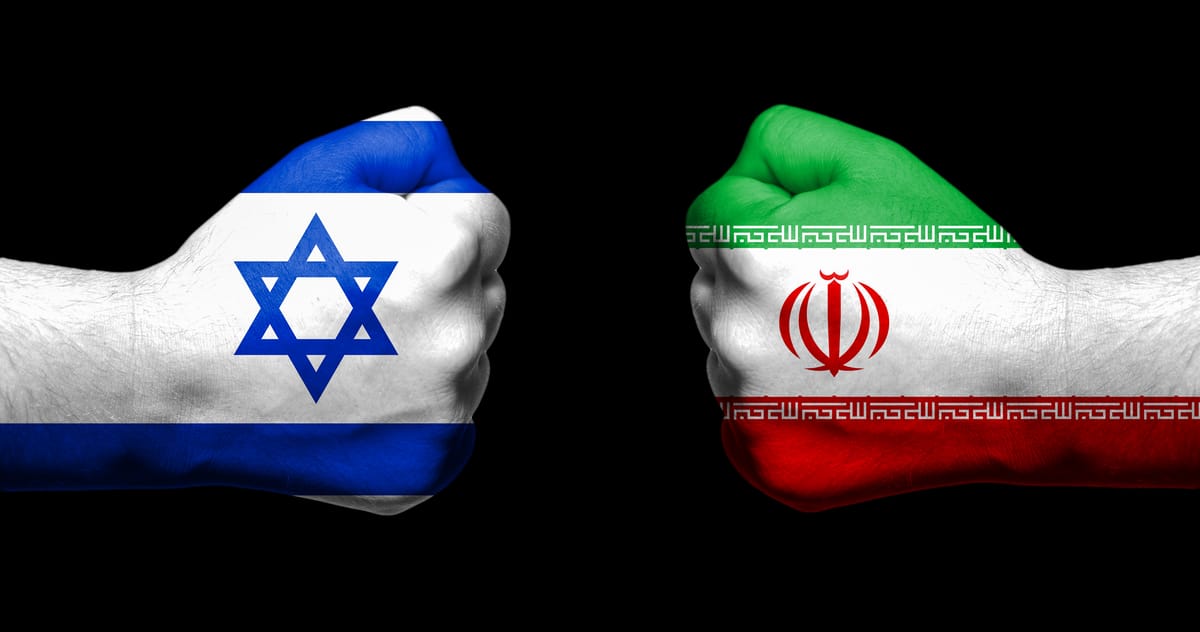
Israel vs Iran
Israel vs Iran (Photo: Shutterstock / MOAB republic)

One of the terms that deeply frustrated Israeli citizens during the "Swords of Iron" war was Prime Minister Netanyahu’s repeated vow of "absolute victory".

The general feeling among the Israeli public, after a Hamas ceasefire was achieved through Egyptian mediation and intense pressure from U.S. President Trump, was that Hamas had been deterred and battered, but certainly not defeated or permanently destroyed. While there was no single official victory photo, the images of living hostages released in deals with Hamas and the return of the final deceased hostage from the Gaza Strip provided a painful yet emotional closing of the circle for the shocking disaster that struck Israel on October 7.

Even if it could not be defined as an "absolute victory," there was a sense that the open, bleeding account with Hamas had been settled for this round, despite the clear awareness that these monsters could attempt to surprise Israel again in the future.

Unlike the war against Hamas, which dragged on for more than two years, Israel's war with Iran was conducted in rounds and in full coordination with the United States Army and President Trump.

During this conflict, a secondary front opened with Hezbollah. Only the test of time will prove whether the campaign against the Lebanese terror organization is truly over, or if its continuation might ultimately void the American-Iranian agreement.

The Cost of the First Rounds

Ready for more?

The first round against the Iranians was the most surprising, directly targeting the Iranian nuclear threat. Additionally, Iran's ballistic missile arrays were struck to prevent an immediate retaliation against Israeli territory.

However, an Iranian response followed quickly. Among the targets hit were the oil refineries in Haifa, the laboratories of the Weizmann Institute of Science, the U.S. Embassy branch in Tel Aviv, and direct missile strikes on Israeli hospitals and military bases.

This initial round claimed the lives of 33 Israeli citizens and foreign nationals, and left more than 3,000 people wounded. In Iran, approximately 1,060 people were killed, including dozens of nuclear scientists and senior commanders within the Islamic Revolutionary Guard Corps (IRGC).

President Trump dubbed the operation "The 12-Day War," an apparent nod to the Six-Day War, implying a grand victory for the U.S. and Israeli militaries.
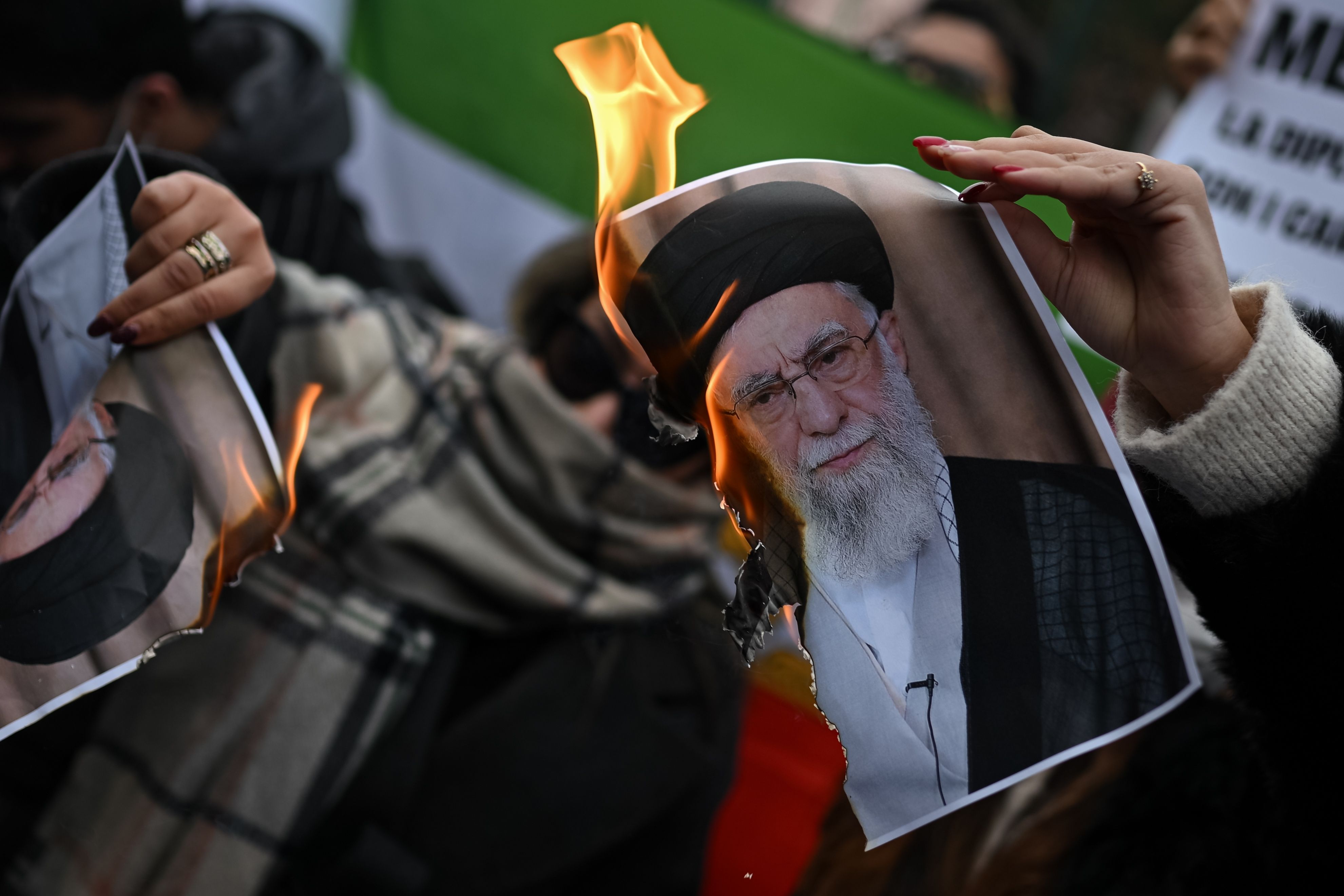

Burning picture of Ali Khamenei
Burning picture of Ali Khamenei (Photo: Shutterstock /pcruciatti)

Unfortunately, that operation was only the first stage. The second round of Israel and the U.S. against Iran began about six months after the conclusion of Operation "Lion's Might" (Am KeLavi).

This phase, code-named "The Lion's Roar" (Sha'agat HaAri), launched on February 28, 2026, roughly seven months after the first round.

It was characterized by a massive opening blow from Israel and a major achievement that cannot be minimized: the elimination of Iran’s Supreme Leader, Ali Khamenei, who had threatened to destroy Israel at the begining of the first round.It's clear why Netanyahu mentions this assassination at every opportunity, as it was highly significant and considered a fundamental game-changer against the Axis of Evil and the Iranian poison machine.

Strait of Hormuz
Strait of Hormuz (Photo: Shutterstock )

Ceasefires and Escalation

This second round lasted three months but also failed to end in a decisive defeat. At a certain point, President Trump began pushing for an agreement, with the primary U.S. demand being the removal of the tight naval blockade on the Strait of Hormuz.

The downing of an American attack helicopter in the Persian Gulf nearly escalated the fighting, but Trump responded locally with restraint. The Iranians agreed in principle to a ceasefire, which was briefly achieved, until Israel struck Hezbollah targets in the Dahiyeh district of Beirut. Iran responded with direct and indirect fire via the Houthis into Israeli territory.

This exchange marked the beginning of the third and shortest round of Israel's campaign against Iran.

It lasted a mere 17 hours and was halted by a direct order from President Trump. This sudden halt led to a deterioration in relations with Netanyahu, including a harsh phone call filled with curses and insults from the American president, alongside media interviews stating that Israel must restrain itself in Lebanon.

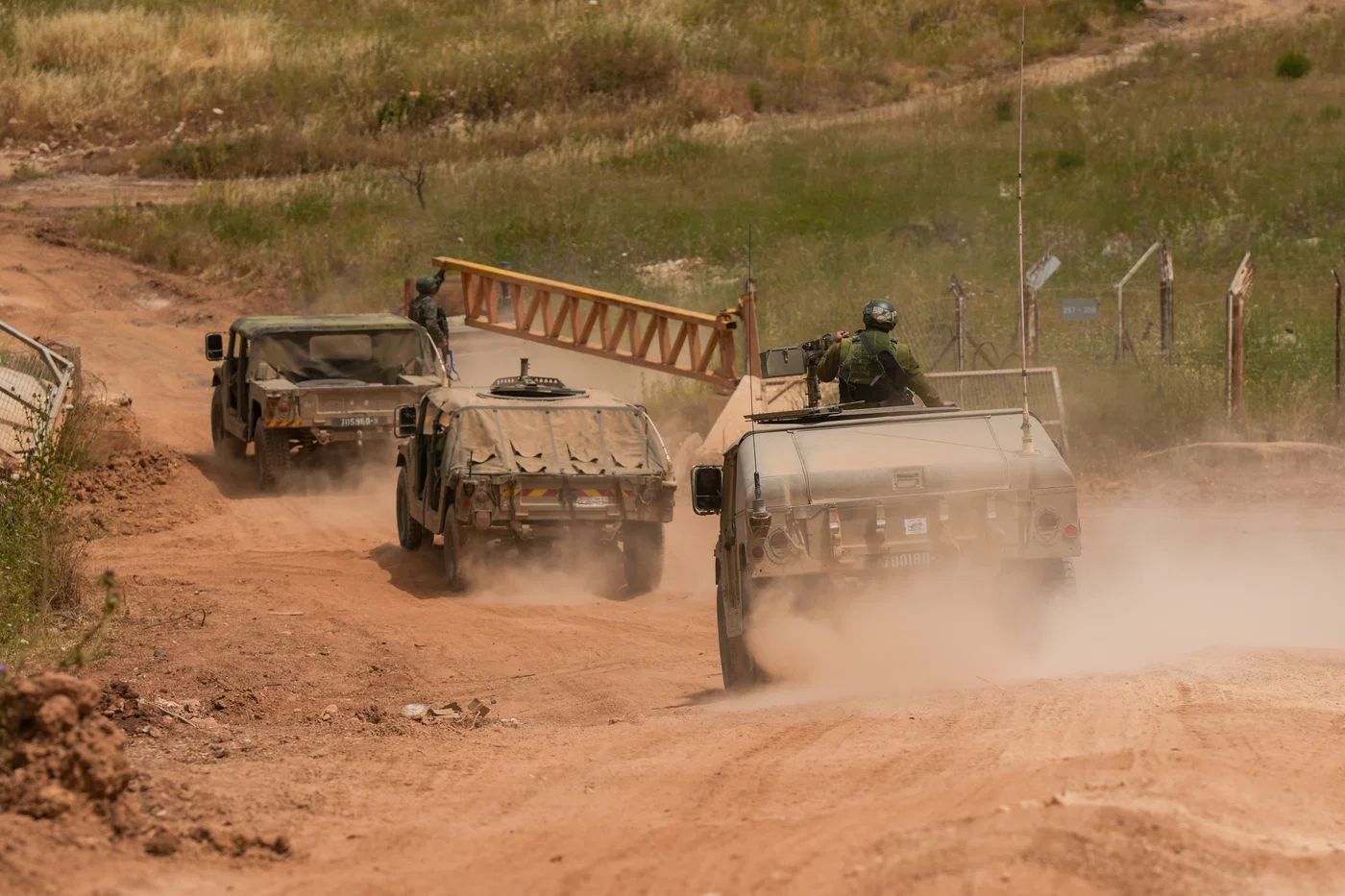
IDF forces in Lebanon
IDF forces in Lebanon (photo: Ayal Margolin/Flash90)

A Fragile Quiet Ahead of 2026 Elections

At the conclusion of these three rounds of warfare, the average Israeli citizen remains unconvinced that Iran has been defeated, despite the Prime Minister’s efforts to magnify the achievements and credit them to his government. The Ayatollahs and the IRGC still rule Iran.

They enjoy the support of most Iranian citizens, who did nothing to overthrow them and instead hoped the United States and Israel would do the dirty work for them. The uranium that Iran hid deep underground will not be extracted anytime soon, and while the Strait of Hormuz was immediately reopened, but it remains unclear for how long.

For the residents of northern Israel, the greatest failure of the war is Netanyahu's inability to decouple the campaign against Hezbollah from the agreement with Iran.

Furthermore, Trump’s intervention prevented the IDF from launching significant retaliatory strikes in Beirut against the continuous rocket fire aimed at northern civilian populations.

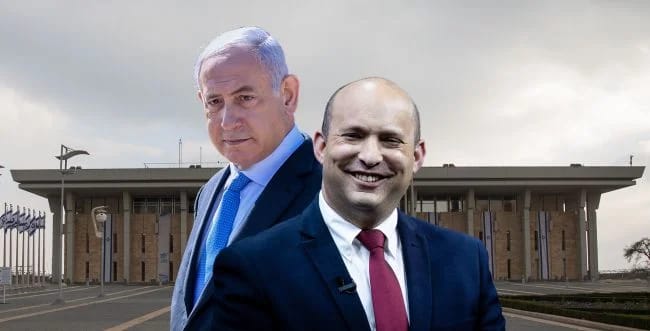
Prime Minister Benjamin Netanyahu and Naftali Bennet infront of the Knesset
Prime Minister Benjamin Netanyahu and Naftali Bennet infront of the Knesset (Photo: Yonatan Zindel, Hadas Parush, and David Cohen/ Flash 90)

In this current limbo between a fragile ceasefire and ongoing security tensions, Israeli citizens are eager for a prolonged period of quiet to focus on internal matters, such as the upcoming 2026 Isreli elections.

But that, of course, is an entirely different kind of war.

Ready for more?

Join our newsletter to receive updates on new articles and exclusive content.

We respect your privacy and will never share your information.