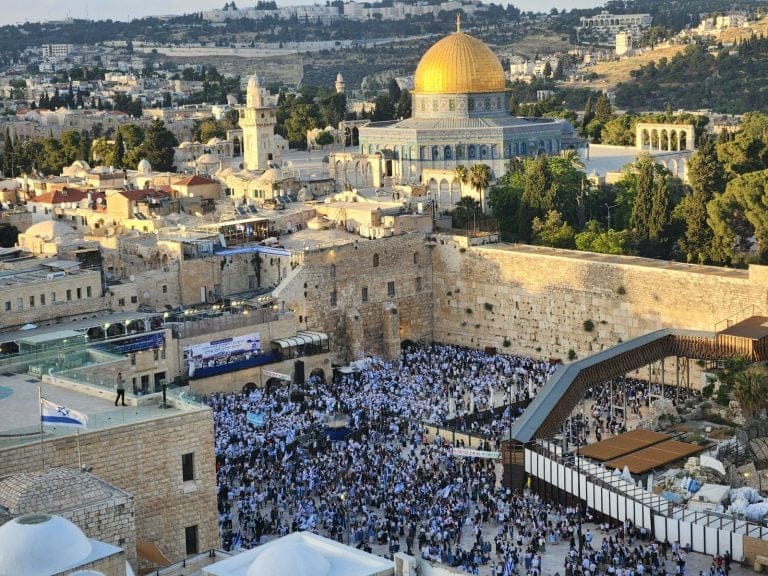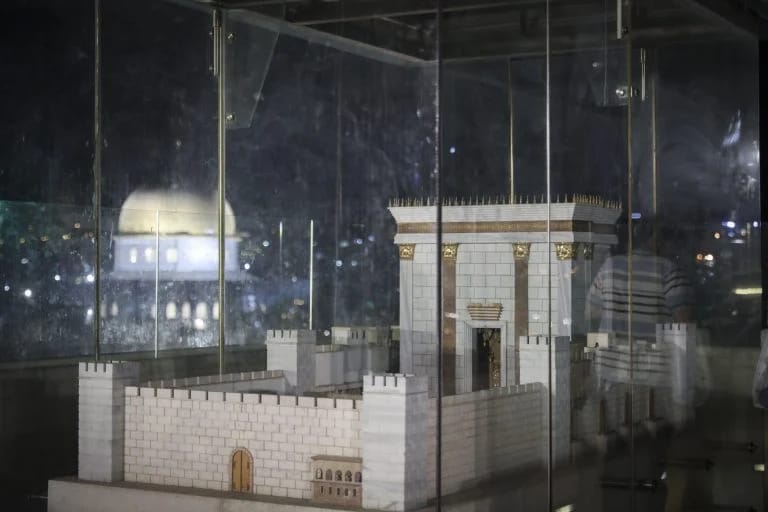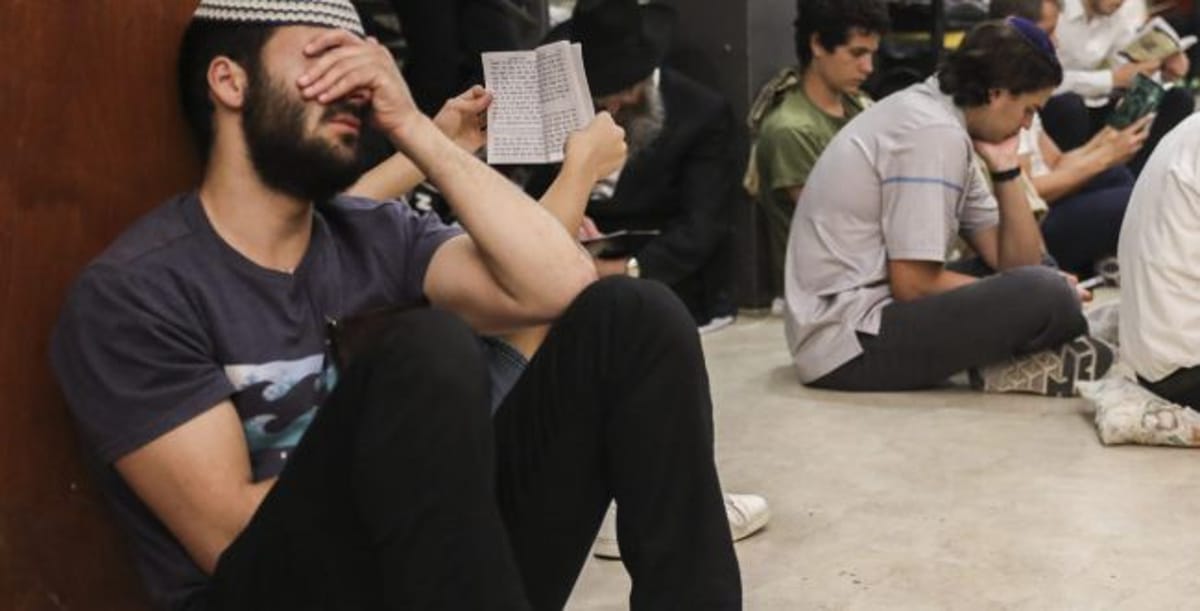
When Av enters, we decrease our joy. We don't entertain, refrain from eating meat and drinking wine, and prepare ourselves for the National Day of Mourning, Tisha B'Av. However, a quick glance at the media leading up to the events of Tisha B'Av can teach us that this fasting day no longer solely deals with the destruction of the Temple, the reasons that led to it, or mourning rituals.
Analysis of the various programs will teach the thoughtful observer that Tisha B'Av is a day dedicated to Torah study on a day when learning is prohibited, even though the title will always be "On this night, we do not study Torah." It is a day dedicated to gatherings and circles of conversation, despite the injunction "He should sit alone in silence." It is also a day dedicated to speaking about the vision, hope, and rebuilding, instead of a day solely focused on mourning and weeping for the destruction.
"For many long years, we don't know what to do with Tisha B'Av."
"For many long years, we don't know what to do with Tisha B'Av. Sitting alone in the darkness of the rooms, perhaps like our grandmothers in Poland, but facing a Jewish sovereign state, the dirges, tears, and prayers of "comfort" seem disconnected from the reality in which we live.
Unlike personal or familial mourning where we recognize the need to sit on the ground, abstain from joy, and engage in solitary reflection as a means to cope with the pain, the request to apply these customs to mourning for Jerusalem appears irrelevant to us in a city bustling with life and Torah, home to almost a million residents of all faiths."