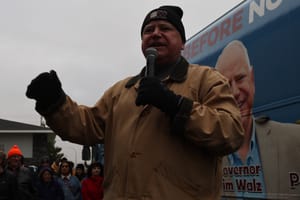
Minnesota daycare fraud
Walz Expected to Drop MN Election Bid After Somali Fraud Scandal
•news-world


Comprehensive coverage of fraud cases involving child care assistance programs, focusing on schemes targeting government-funded daycare subsidies and benefits
Somali daycare fraud refers to a series of criminal cases involving the systematic abuse of government child care assistance programs, primarily documented in Minnesota and other states with significant Somali immigrant communities. These cases typically involve fraudulent claims for child care services that were either not provided or significantly misrepresented, resulting in millions of dollars in losses to state and federal programs designed to help low-income families afford quality childcare.
The fraud schemes generally operate through a network of daycare providers who submit false claims to state child care assistance programs. Perpetrators often claim to provide care for children who are not actually attending their facilities, inflate the number of hours children are present, or continue billing for children who have moved or aged out of programs. Investigations have revealed sophisticated operations involving multiple daycare centers, with some cases showing coordination between providers to maximize fraudulent billings while avoiding detection through program oversight mechanisms.
Law enforcement agencies, including the FBI and state fraud investigation units, have conducted extensive investigations into these fraud networks. These investigations often involve analyzing billing records, conducting surveillance of daycare facilities, interviewing families, and examining financial transactions. The complexity of these cases requires coordination between multiple agencies and can take years to fully investigate and prosecute, given the volume of transactions and number of individuals involved in larger fraud rings.
The financial impact of these fraud schemes has been substantial, with individual cases involving millions of dollars in fraudulent claims. Beyond the monetary losses, these cases have raised concerns about the integrity of child care assistance programs and the vulnerability of government benefit systems to organized fraud. The cases have also sparked discussions about program oversight, verification procedures, and the balance between providing accessible benefits to families in need and preventing abuse of public resources.
Prosecutions in these cases have resulted in significant criminal penalties, including prison sentences, restitution orders, and deportation proceedings for non-citizens convicted of fraud. Federal prosecutors have pursued charges under various statutes, including wire fraud, money laundering, and conspiracy, reflecting the serious nature of these offenses. The cases serve as examples of how government agencies are working to protect taxpayer-funded programs while ensuring that legitimate providers and families can continue to access needed services.
The broader implications of these fraud cases extend to policy discussions about program design, eligibility verification, and cultural competency in program administration. Policymakers and program administrators have worked to implement stronger safeguards while avoiding measures that might create barriers for legitimate participants or unfairly target specific communities. The challenge remains balancing fraud prevention with maintaining accessible, effective child care assistance programs that serve their intended purpose of supporting working families.
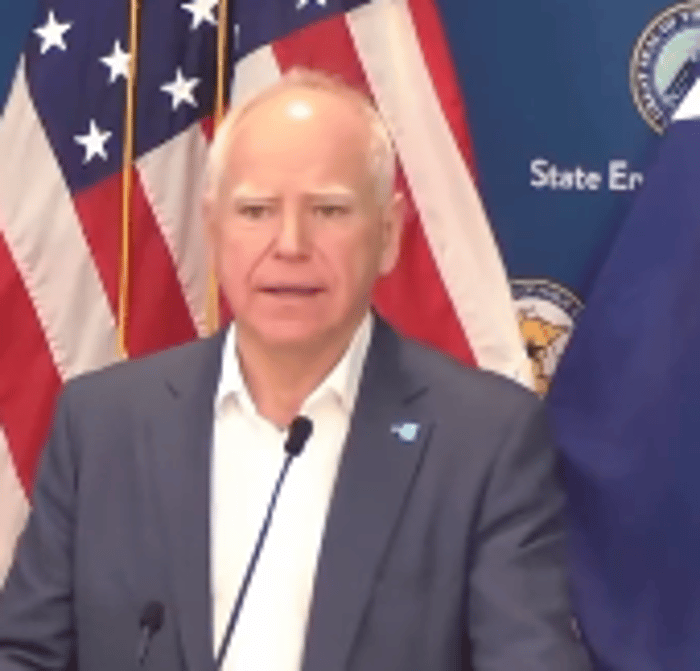
A man accused of orchestrating an $11 million Medicaid fraud scheme in Minnesota failed to appear for a scheduled court hearing this week, prompting authorities to issue a warrant for his arrest and raising uncertainty about the case’s progress.
Minnesota daycare fraud

Shocking

Frightening

3-Year-Old Citizen Sleuth
Walz Fraud

Meme central