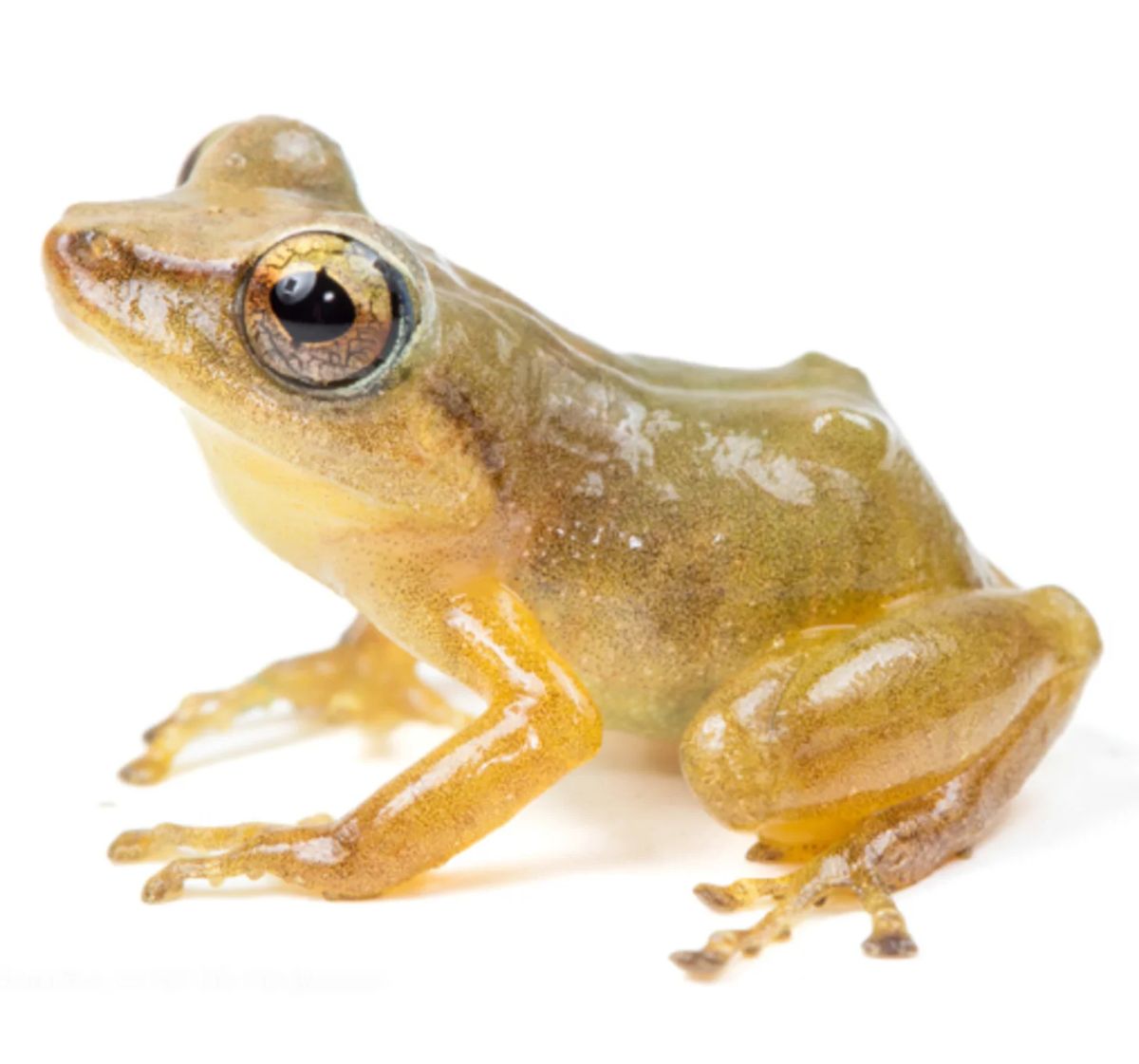
A common frog inhabiting the forests of western Ecuador and southern Colombia has finally received its own scientific name after more than a century of mistaken identity. The newly recognized species, named Pristimantis milpe, was formally described in a study published in the scientific journal ZooKeys.
The case is particularly unusual. When scientists discover new species, they typically involve rare animals living in small, isolated areas or creatures that are exceptionally difficult to locate. This story is the complete opposite: the newly named frog is widespread across more than 67,000 square kilometers in the Chocó forest region, from sea level up to elevations of approximately 1,200 meters. Nor is it particularly elusive. Males produce loud, short nighttime calls resembling a "click" sound, making their presence relatively easy to detect.
How did such a common species remain hidden from science for so long? The answer is simple: it didn't hide at all. For decades, researchers simply called it by the wrong name.
The story begins with frog specimens collected in Ecuador during the 19th century and preserved at the Natural History Museum in London. For years, living frog populations in the region were linked to the scientific name Pristimantis subsigillatus. But when researcher Santiago Ron from the Pontifical Catholic University of Ecuador traveled to London and re-examined the original specimens on which that name was based, the error became clear.
The research team compared the historical specimens with living frogs currently collected in the Chocó region and discovered that the animals called P. subsigillatus for decades did not actually match the original type specimen of that species. Following this examination, the taxonomic classification was revised, and the familiar population received status as a new species named Pristimantis milpe.
The new species also displays notable differences between males and females. Females sometimes show bright orange or blue coloring in the thigh area, alongside black spots, while males tend to have more uniform coloration. Males are active at night and call from leaves, shrubs, and bromeliad plants above the forest floor.
According to the researchers, the case illustrates how vital historical natural history collections remain to science. Specimens collected more than a century ago can enable today's scientists to re-examine names and classifications, compare them with living animals, and resolve errors that have persisted for generations.