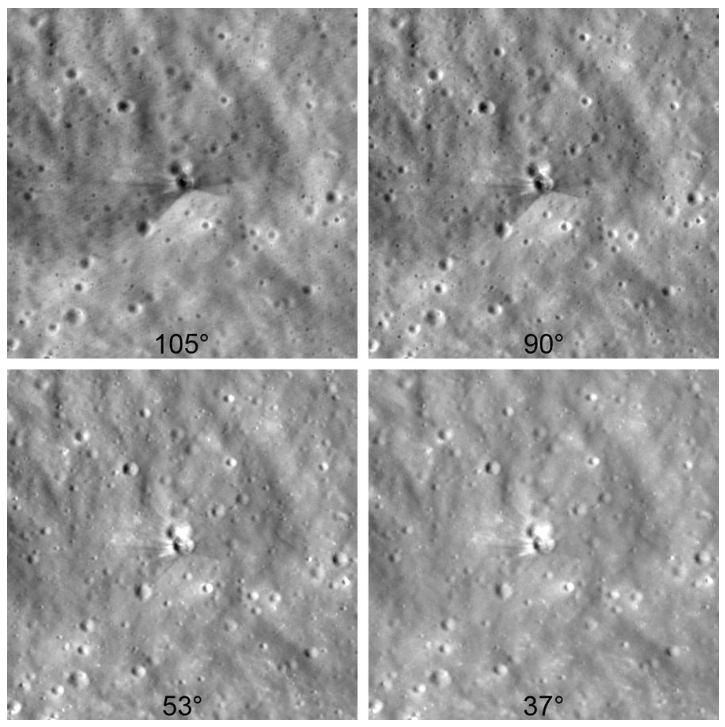
The crater measures approximately 18 meters in diameter and less than three meters deep. Surrounding it are dark and light streaks created by material thrown outward by the force of impact. The darker material came from the surface layer, while the lighter material was exposed from deeper soil strata.
The pattern formed around the crater even resembles butterfly wings.
So how did a SpaceX rocket end up hitting the moon in the first place?
The stage that crashed wasn't launched with the intention of striking the moon. It was part of a rocket that launched in 2025, carrying two private lunar landers and a small rover as part of moon missions.
After completing its function, the upper stage remained in space. For more than a year, it traveled in an orbit influenced by gravitational forces and solar activity, until it entered a collision course with the moon.
SpaceX clarified before the crash that the impact was unintentional and that the company is working with NASA to prevent similar incidents in the future.
The collision occurred at approximately 5,400 miles per hour, about 8,700 kilometers per hour.
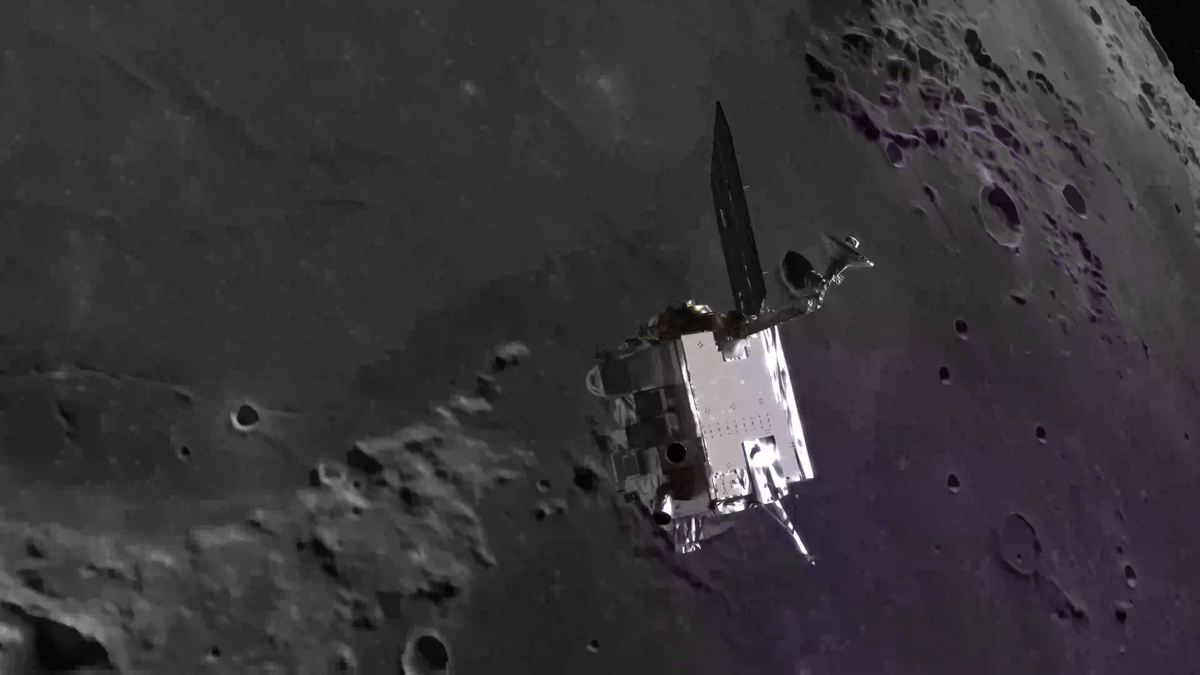
South Korea's Danuri spacecraft was the first to photograph the impact area after the crash. However, NASA's new images, taken from an altitude of about 60 miles, approximately 97 kilometers, now provide the most detailed view of the new crater.
The Lunar Reconnaissance Orbiter has been circling the moon since 2009. This time, NASA even adjusted its imaging angle to get a better view of where the rocket fragment's long and unplanned journey ended, in a fresh crater on the lunar surface.