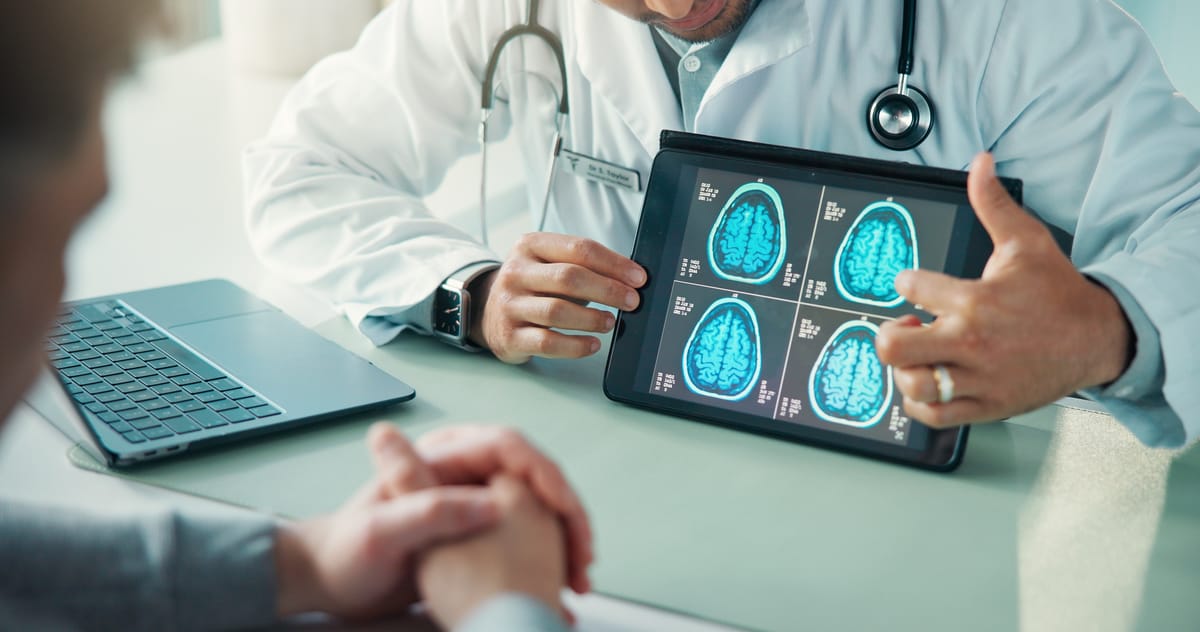
The adult brain may possess far greater self-repair capabilities than scientists previously understood. Researchers at the University of Zurich have identified a novel mechanism through which astrocytes, a type of glial cell essential for maintaining brain tissue, can restore damaged regions and rebuild destroyed cellular networks.
Published in the journal Nature Neuroscience, the study was led by a team from the university's Institute of Pharmacology and Toxicology under Professor Bruno Weber. The scientists employed two-photon microscopy to track the brains of living mice over several weeks, documenting how tissue responds to damage.
Until now, the prevailing assumption held that loss of astrocytes in the mature brain constitutes damage that is extremely difficult to reverse. Astrocytes, sometimes called "star cells" due to their shape, serve functions far beyond simple support: they supply neurons with nutrients, help regulate blood flow, and maintain the proper chemical environment of brain tissue.
The new research, however, identified a subset of astrocytes at the edges of injured areas that spring into action following damage. Rather than relying on standard cell division, these cells send nuclei of newly formed daughter cells through long cellular projections to more distant parts of the damaged tissue, where they help repopulate the astrocytic network.
According to the researchers, this represents a previously undocumented mechanism that demonstrates significant regenerative capacity in the adult brain. The team also mapped a series of genes and signaling pathways that activate temporarily during the repair process. These pathways may eventually become potential targets for developing therapies that enhance tissue recovery after illness or injury.
The findings could hold particular significance for medical conditions in which astrocytes are damaged or destroyed, including traumatic brain injuries and neuromyelitis optica spectrum disorder, a rare autoimmune disease in which the immune system's antibodies attack astrocytes.
The research remains in early stages, however: results were obtained in mouse models, and it remains unclear whether the same mechanism operates identically in the human brain. Nevertheless, the study reinforces the understanding that astrocytes are far more than passive "support cells," positioning them at the forefront of research into memory, brain function, and recovery from neurological damage.