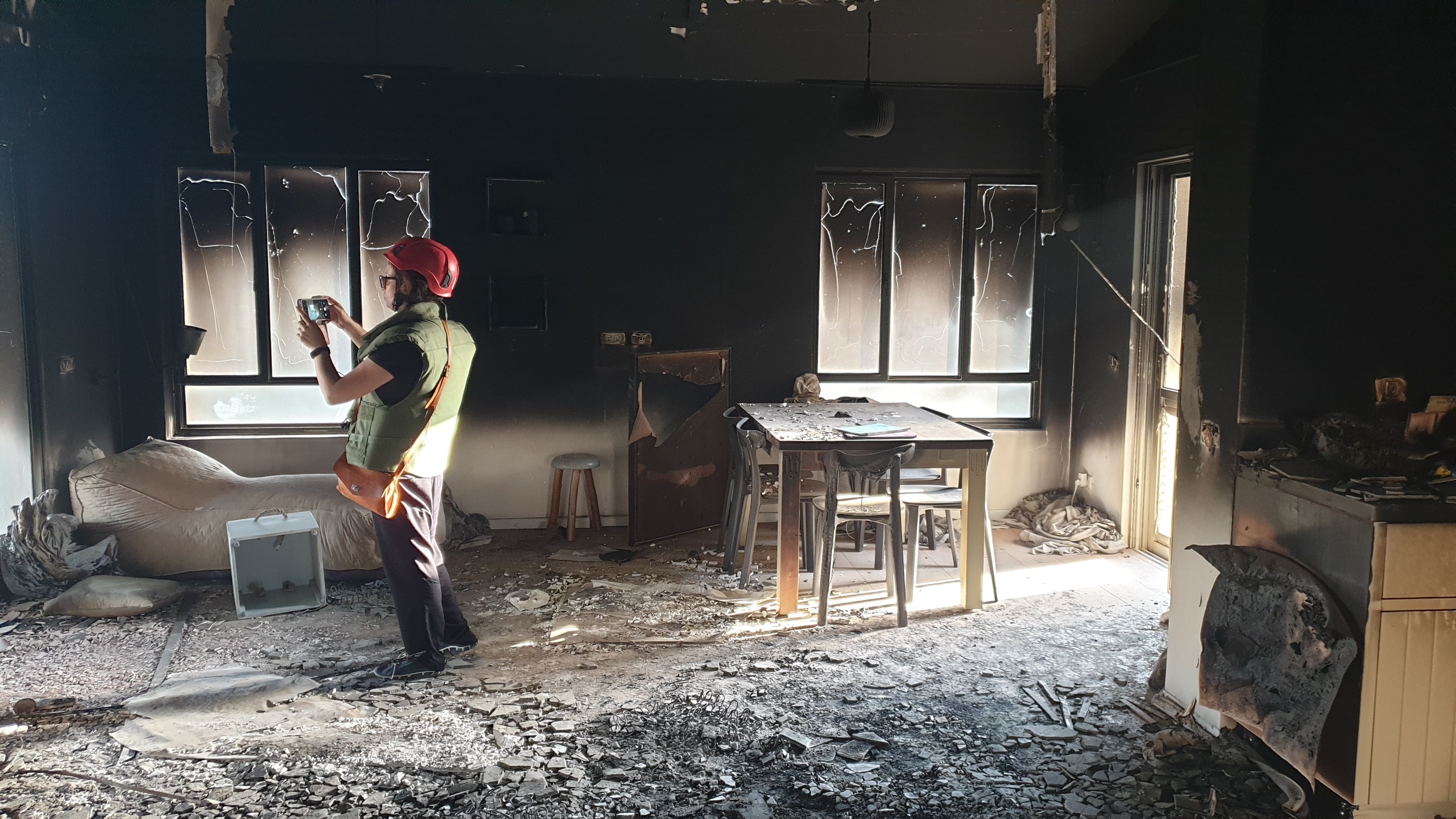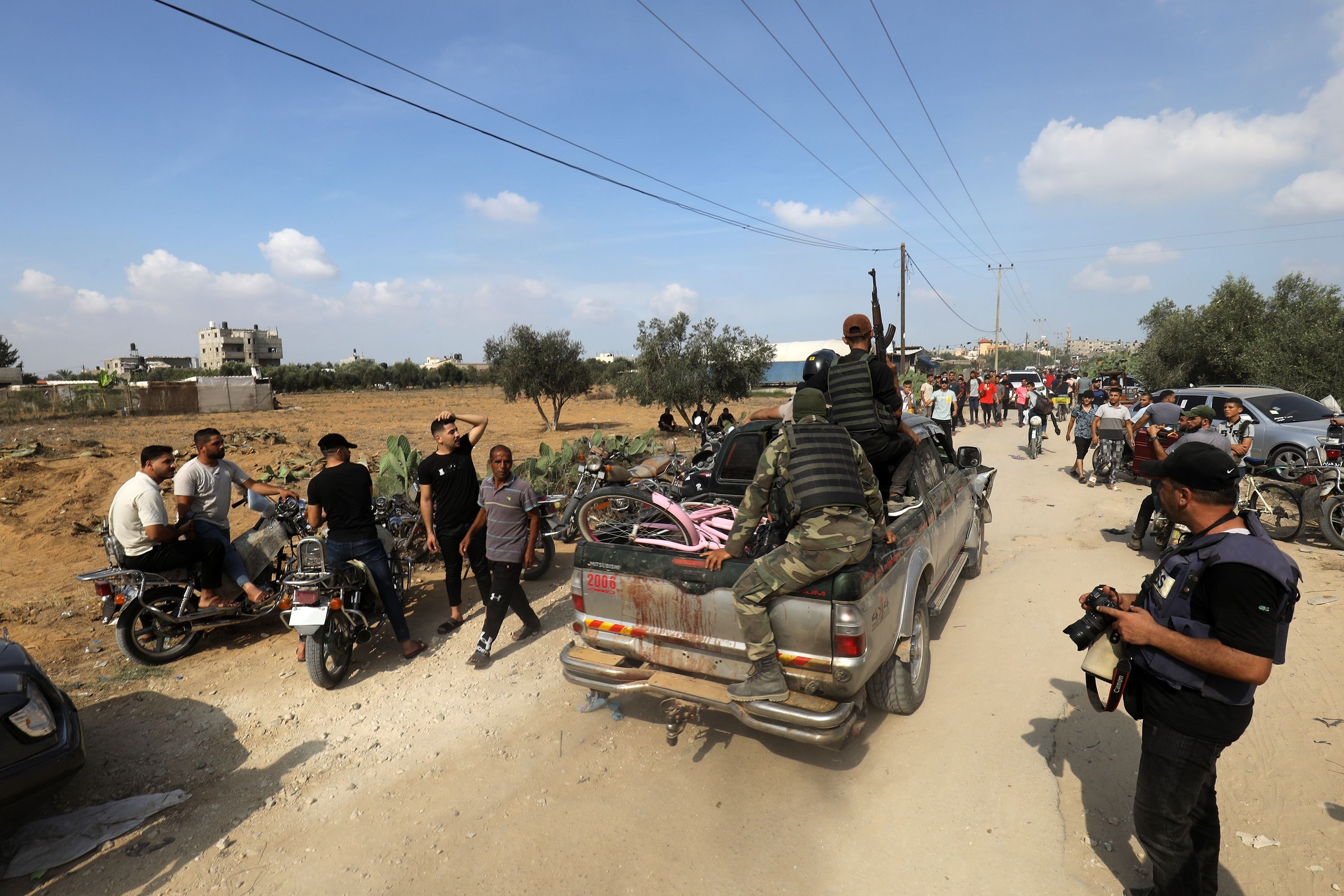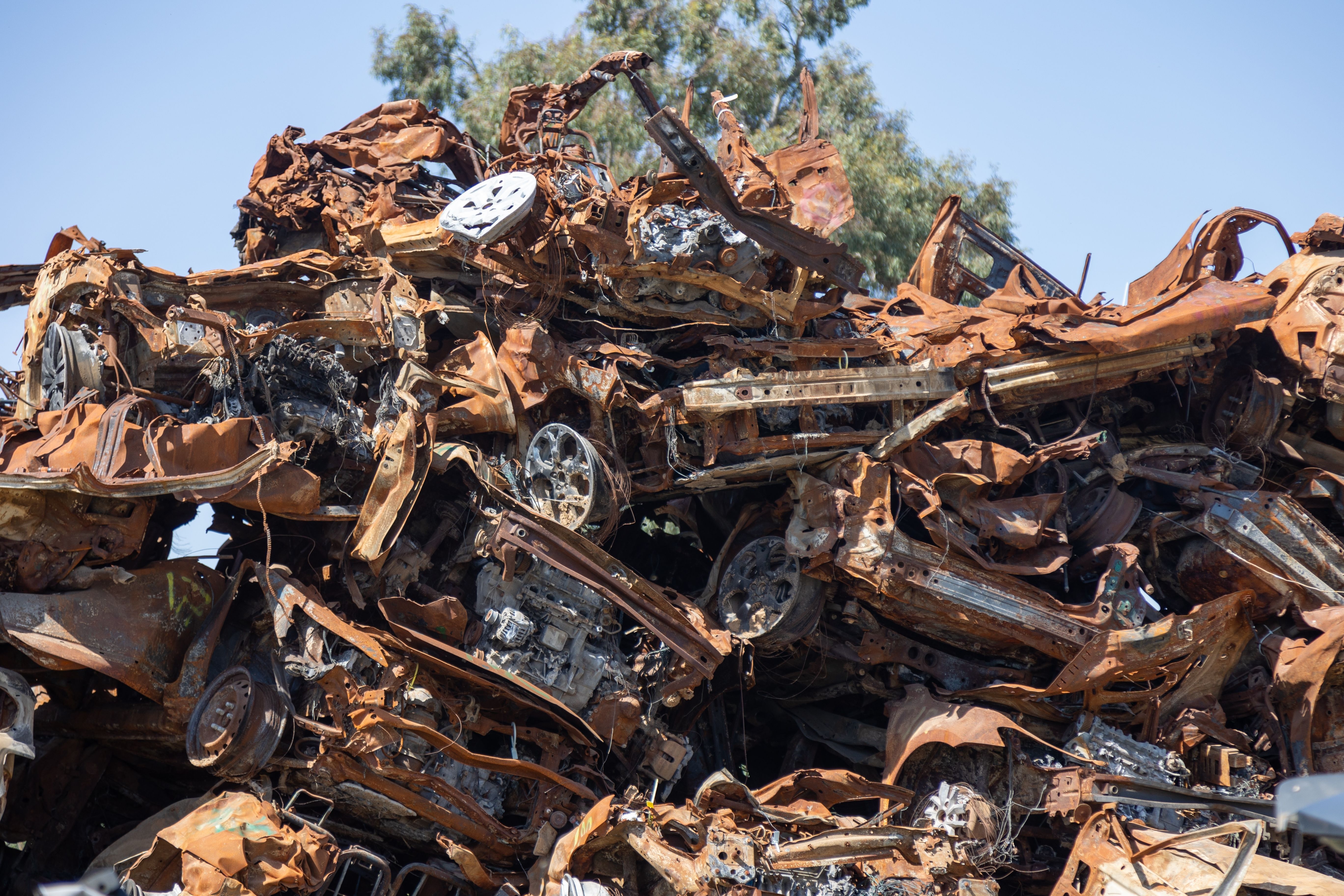
Hamas hates Israel and hates Jews. This we know.
But when it came to their actions on October 7th, some things don't add up.
If Hamas hadn't been so set on torturing Israelis, they actually could have done a lot more harm. If they didn't take their time raping civilians, mutilating parents in front of their children (and vice versa) and other evil straight out of a horror movie, they could have easily moved on to other areas and slaughtered more Jews.
1. Provocation of a Disproportionate Response for Strategic Gain
Hamas anticipated a massive Israeli retaliation and viewed it as beneficial, intending to "overthrow the situation" by drawing global attention to the Palestinian cause amid perceived stagnation in peace efforts. Leaders like Khaled Mashal acknowledged the expected costs, including Palestinian sacrifices, as necessary for "liberation." The brutality was calibrated to provoke outrage and escalation, potentially isolating Israel internationally, rallying support from allies like Iran, and leveraging hostages (taken as a "strategic card") to negotiate the release of thousands of Palestinian prisoners. This aligns with Hamas's justification of the attack as retaliation for Israeli policies, including the Gaza blockade since 2007, encroachments on holy sites like Al-Aqsa Mosque, and violence in Judea and Samaria.
2. Ideological Commitment to Violent Jihad and Resistance
Hamas's founding charter and subsequent rhetoric frame the conflict as a religious duty to "liberate" all historic Palestine through armed struggle, viewing violence against Israel as legitimate resistance to occupation. The group's leaders have described such attacks as necessary to annihilate Israel, with plans for the October 7 operation dating back to at least 2021, including simulations of assaults on settlements. The brutality aligns with an ideology that glorifies "martyrdom" and radicalizes supporters, aiming to instill a "culture of resistance" among Palestinians. This shift from prior tactics (like rocket fire or suicide bombings) to large-scale massacres represented a deliberate escalation, contradicting Hamas's occasional claims of moderation post-2007.