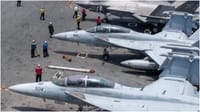
According to a detailed estimate published by Politico on February 20 and calculated by former Pentagon comptroller Elaine McCusker (now at the American Enterprise Institute), the incremental cost of the added U.S. military capability in the region since late December had already reached $350–370 million at that point.
Four days later, with the surge still accelerating, including today’s wave of C-17 transports and the final positioning of the USS Gerald R. Ford carrier strike group, the total incremental cost is now likely in the range of $470–530 million.
The biggest single driver is naval power. Operating a Nimitz-class carrier strike group like the USS Abraham Lincoln costs roughly $2.5 million per day once deployed (covering fuel, food, maintenance, and crew support). With two full carrier strike groups now in or heading to the theater, the daily naval burn rate alone runs into the millions.
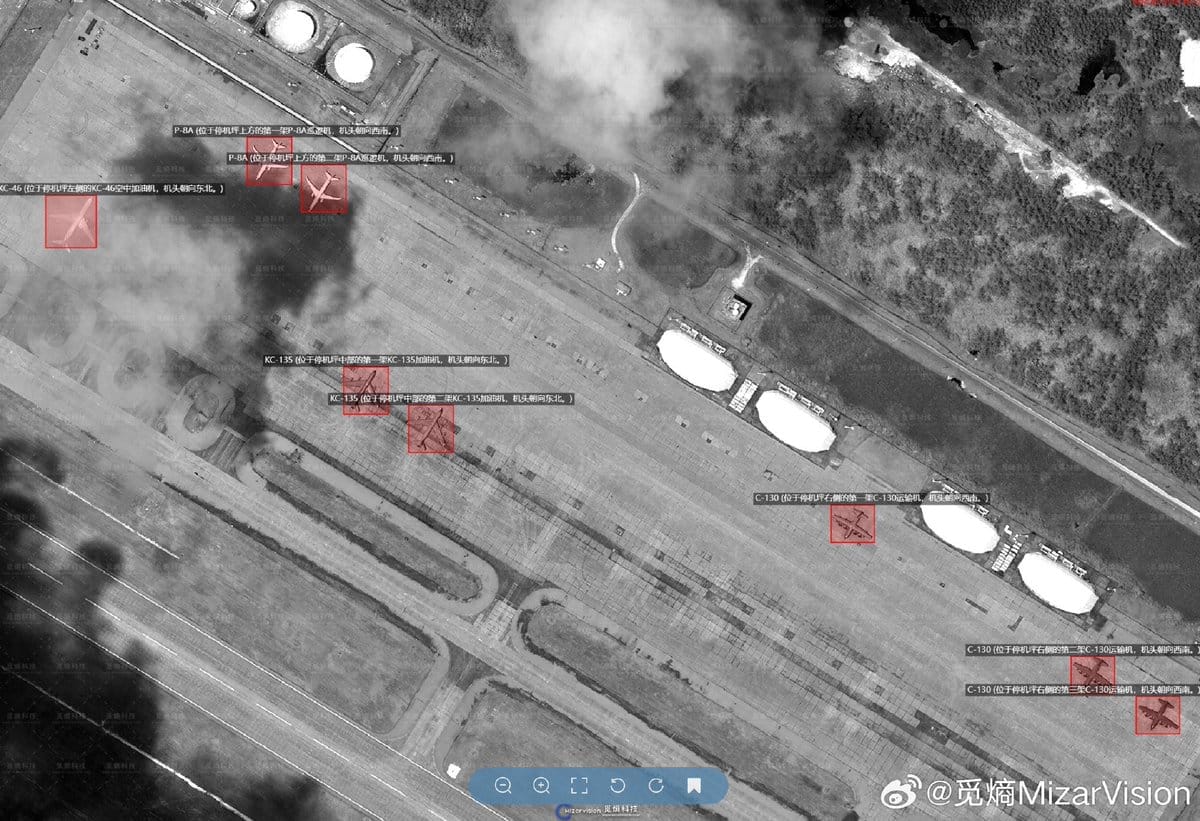
Heavy airlift is the second major expense. Each long-haul C-17 Globemaster III sortie across the Atlantic or from U.S. bases to the Gulf can cost $250,000–$350,000. With more than 200 heavy transport flights tracked since mid-January (and over 120 in the past week alone) the air-bridge component adds tens of millions quickly.
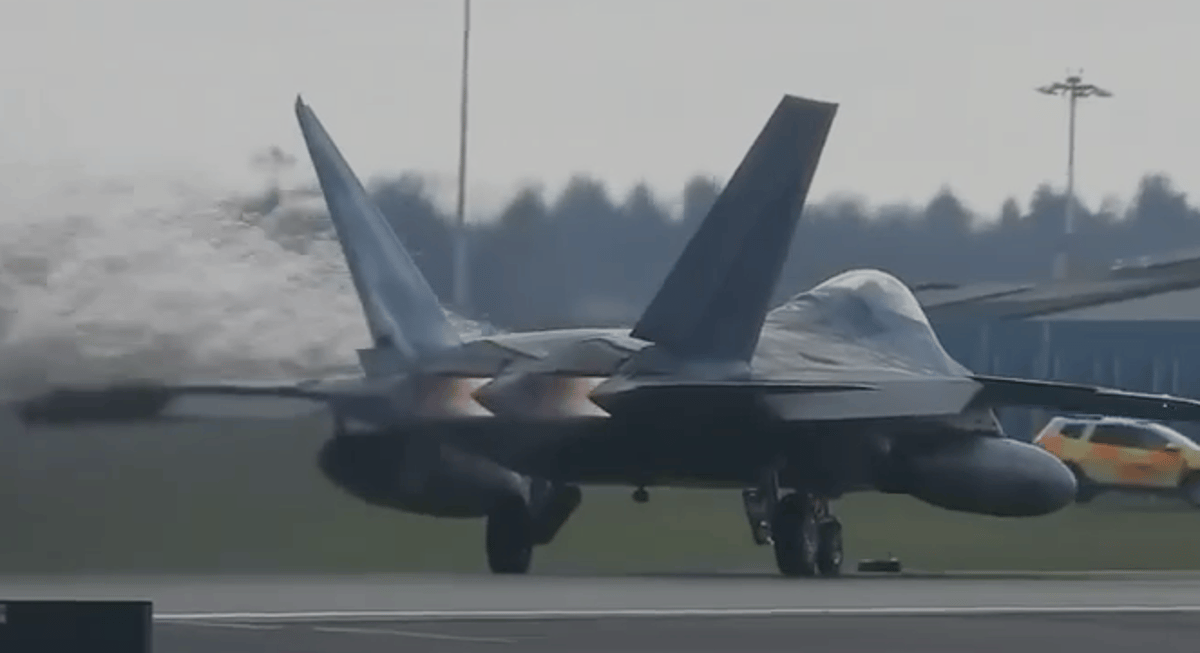
Fighter and tanker deployments, prepositioned munitions (JDAMs, air-defense missiles, cruise missiles), extra fuel bladders, spare parts, and the overtime/personnel costs for thousands of additional troops push the daily incremental total to an estimated $25–40 million per day, according to multiple defense analysts tracking the operation.
These figures are incremental only, they represent the extra spending beyond normal peacetime operations. Base salaries, routine maintenance, and existing stockpiles are already funded in the regular Pentagon budget.
The financial pressure is not abstract. Several analysts have noted that a buildup of this scale cannot be sustained indefinitely without either using the forces or scaling them back. As one expert told the Irish Times last week, this level of deployment “almost speaks to the fact that there needs to be strikes, or else this is going to be one of the costliest bluffs in U.S. history.”
That dynamic is clearly playing out inside the administration. Steve Witkoff and Jared Kushner, two of Trump’s closest advisers on the Middle East, are reported to be urging the president to give diplomacy in Geneva more time precisely because the meter is running so fast. Every extra week of this posture adds another $175–280 million to the bill. For context, the entire U.S. military operation in the Caribbean earlier this winter (a far smaller deployment) cost nearly $3 billion over roughly six months.
The current Iran posture is already on track to rival or exceed that pace in a much shorter timeframe and that is before a single shot is fired. If strikes do occur, the costs would jump dramatically. Precision munitions are expensive, and any prolonged campaign would require rapid replenishment of stockpiles already being drawn down for deterrence.
The financial reality adds real urgency to the diplomatic track: the longer the buildup sits without action, the more expensive the “wait-and-see” strategy becomes.
Whether that pressure ultimately pushes Trump toward strikes or toward a deal remains the central question of the coming days. The numbers, however, are no longer abstract, they are climbing by the hour.